
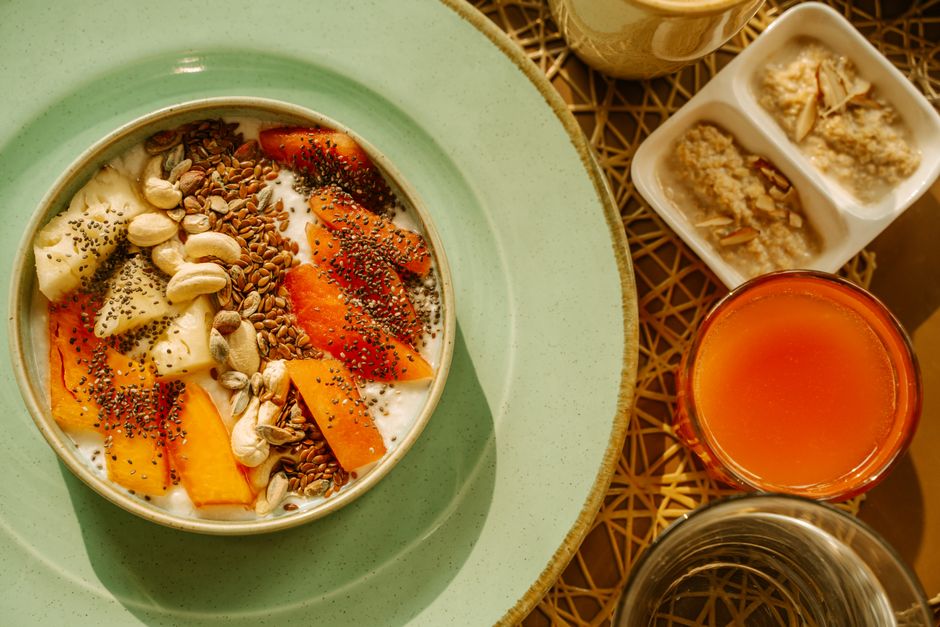
Morning sickness can make every meal feel like a challenge. If you are pregnant and constantly nauseous, you have probably heard that protein helps. The short answer is yes — eating protein can help manage morning sickness for many women, though it is not a cure for everyone. Protein helps stabilize blood sugar and keeps your stomach from emptying too quickly, which are two factors linked to nausea. Knowing which protein foods to choose — and how to eat them — can make a real difference in how you feel throughout the day.
Does Protein Help Morning Sickness What To Eat
Protein helps morning sickness because it slows digestion and keeps blood sugar levels steady. When your blood sugar drops, nausea often gets worse. Eating protein at regular intervals prevents those dips.
Pregnancy hormones also slow down your digestive tract. Food sits in your stomach longer. Protein makes that even more true, which sounds like it would be a problem. But for nausea, a slower-emptying stomach is often helpful because it prevents the empty-stomach feeling that triggers queasiness.
The key is not just eating protein. It is eating the right kind of protein at the right times. Cold proteins tend to be better tolerated than hot ones because they have less smell. Bland proteins are easier on the stomach than heavily seasoned or fried options.
Why Protein Helps With Nausea During Pregnancy
The mechanism behind protein and nausea relief is fairly well understood. Protein takes longer to break down than carbohydrates. That means glucose enters your bloodstream more gradually. Stable blood sugar means fewer nausea triggers.
There is also a connection between protein and stomach acid. Protein stimulates the production of gastric juices. For some women, this helps digestion feel more complete. For others, it can make heartburn worse. You need to pay attention to how your own body responds.
Some research suggests that low blood sugar is a common trigger for morning sickness episodes. Many women report feeling worst in the morning because they have not eaten for eight to ten hours overnight. Eating a protein-rich snack before bed and again right after waking can prevent that fasting period from causing a nausea spike.
Best Protein Foods for Morning Sickness
Not all protein sources are equal when you are nauseous. The best options are ones that are easy to tolerate, require minimal preparation, and do not have strong odors.
- Plain Greek yogurt — High in protein, cold, and mild in flavor. The texture is smooth and easy to eat even when you feel queasy.
- Hard-boiled eggs — Easy to prepare in advance and eat cold. Eggs contain choline, which is important for fetal brain development.
- Peanut butter or almond butter — Spread on crackers or toast. The combination of protein and carbohydrate helps stabilize blood sugar quickly.
- String cheese or cheese cubes — Portable, cold, and require zero preparation. Full-fat versions may be more satisfying.
- Plain chicken or turkey — Cold sliced deli meat or leftover chicken breast. Warm, roasted meats often have stronger smells that can trigger nausea.
- Protein shakes or smoothies — A scoop of protein powder blended with milk, fruit, and ice. The cold temperature helps numb taste buds and reduce nausea sensation.
- Cottage cheese — High in protein and mild in flavor. Some women find the texture off-putting, so this is a personal preference.
- Edamame or tofu — Plant-based options that are gentle on the stomach. Cold edamame sprinkled with a little salt can be surprisingly satisfying.
What matters most is finding protein foods you can actually eat. If you cannot tolerate eggs but can drink a protein shake, that is fine. The goal is consistent protein intake, not a specific food.


How to Eat Protein When You Feel Too Sick to Eat
The biggest challenge with morning sickness is that you feel too nauseous to eat anything. But eating nothing often makes the nausea worse. This creates a difficult cycle.
Start with small amounts. A single cracker with peanut butter is enough. One or two bites of yogurt counts. You do not need to eat a full meal. Grazing throughout the day is often more effective than eating three large meals.
Keep protein snacks next to your bed. Eat a few bites before you get up in the morning. Give yourself ten minutes before standing. This simple habit helps many women avoid the worst morning nausea.
Cold foods are your friend. Heat releases volatile compounds that create smell. Smell is one of the strongest nausea triggers during pregnancy. Cold chicken, cold eggs, and cold yogurt have much less aroma than their warm counterparts.
Sip liquids separately from solid food. Drinking large amounts of fluid with meals can make your stomach feel overly full. That feeling can trigger nausea. Take small sips throughout the day and eat your protein in smaller, more frequent portions.
Protein Snacks to Keep on Hand
Having ready-to-eat protein available at all times prevents you from reaching for simple carbohydrates when hunger hits. Carbs alone will spike your blood sugar and then drop it, which can worsen nausea.
Good shelf-stable options include:
- Individual peanut butter packets
- Protein bars with at least 10 grams of protein
- Roasted chickpeas
- Beef or turkey jerky (check sodium content)
- Nuts and seeds
- Protein powder single-serve packets
Keep these in your bag, your car, and your desk. When nausea strikes, having immediate access to protein means you can address it before it gets worse. Waiting too long to eat often leads to a nausea spiral that is much harder to break.
When Protein Does Not Help Morning Sickness
Protein is not a guaranteed fix. Some women find that protein makes their nausea worse. This can happen if the protein is too heavy or if it triggers heartburn.
If you have hyperemesis gravidarum — the severe form of morning sickness that causes persistent vomiting and weight loss — dietary changes alone will not be enough. This condition requires medical management. Contact your healthcare provider if you cannot keep any food or fluids down for more than 24 hours.
Signs you need medical attention include:
- Inability to keep water down
- Weight loss of more than 5% of your pre-pregnancy weight
- Dark urine or urinating very infrequently
- Dizziness or fainting
- Rapid heartbeat
Some research suggests that ginger and vitamin B6 can help with nausea, but these are supplements to discuss with your doctor, not replacements for protein or medical care. Every pregnancy is different. What works for one woman may not work for you.
Other Foods That Help Settle the Stomach
Protein works best when combined with bland carbohydrates. The classic BRAT diet — bananas, rice, applesauce, and toast — is often recommended for general nausea. Adding protein to that foundation creates a more balanced approach.
Saltine crackers are a traditional morning sickness remedy for a reason. They are bland, dry, and easy to digest. Adding a thin layer of peanut butter or cheese turns them into a protein snack that lasts longer in your system.
Cold fruits like watermelon, grapes, and citrus can be refreshing when you feel nauseous. They provide hydration and natural sugar. Pair them with a protein source like yogurt or nuts for better blood sugar stability.
Ginger has genuine anti-nausea properties. Some studies support its effectiveness for pregnancy-related nausea. Ginger tea, crystallized ginger, or ginger ale made with real ginger can complement your protein intake. Avoid ginger supplements without discussing them with your doctor first.
Foods to Avoid When You Have Morning Sickness
Certain foods are more likely to trigger nausea. Strong-smelling foods top the list. This includes fried foods, fish with strong odors, and heavily spiced dishes.
High-fat foods slow digestion even more than protein. While some fat is necessary, greasy meals can leave you feeling heavy and nauseous. Choose baked, grilled, or steamed options over fried ones.
Very acidic foods can irritate an already sensitive stomach. Tomato-based sauces, citrus juices, and vinegar-heavy dressings may cause problems. This varies widely from person to person.
Pay attention to your personal triggers. Morning sickness is highly individual. Foods that bother one woman may be completely fine for another. Keep a simple food diary for a few days to identify patterns.
Frequently Asked Questions
How much protein should I eat each day during pregnancy?
Most pregnant women need about 70 to 100 grams of protein per day, though individual needs vary based on weight and activity level. Your healthcare provider can give you a specific target based on your situation.
Can protein powder help with morning sickness?
Protein shakes can be helpful, especially when you cannot tolerate solid food. Choose a plain or vanilla-flavored powder without artificial sweeteners, and blend it with cold milk or water and ice.
Why is my morning sickness worse when my stomach is empty?
An empty stomach allows stomach acid to accumulate and blood sugar to drop, both of which can trigger nausea. Eating small amounts of protein regularly prevents your stomach from being completely empty.
Is it safe to eat eggs during pregnancy?
Yes, fully cooked eggs are safe and nutritious during pregnancy. Avoid raw or undercooked eggs to reduce the risk of foodborne illness.
