
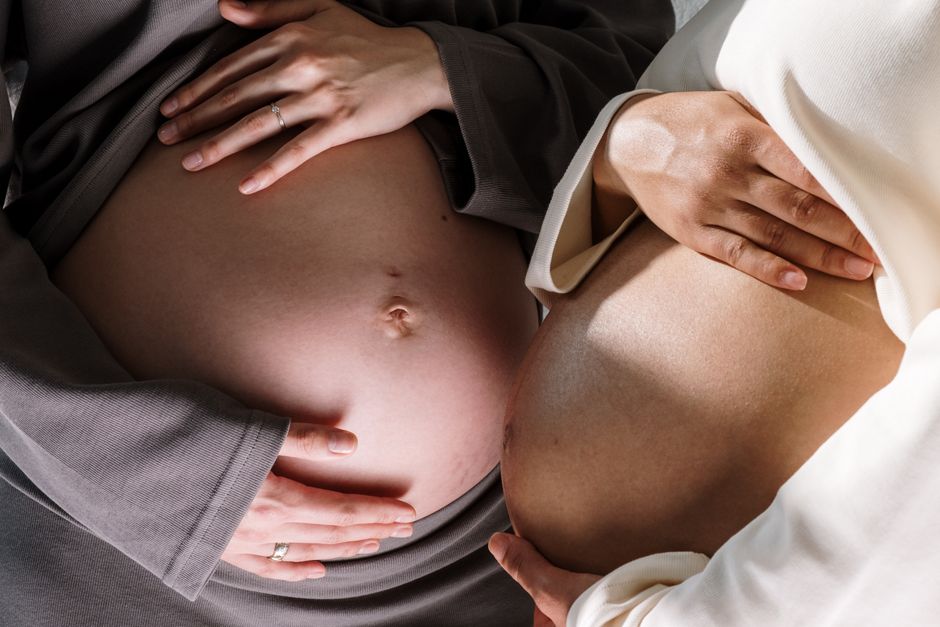
Pregnancy changes sleep for nearly every woman who goes through it. The reasons are physical, hormonal, and practical, and they shift as the months pass. Some sleep problems show up in the first weeks, before anyone else can tell you are pregnant. Others arrive in the third trimester and stay until delivery.
This article explains what causes sleep changes during pregnancy, what tends to help, and when a sleep problem may point to something that needs medical attention.
Does Pregnancy Affect Sleep? Causes And Solutions
Yes. Sleep disruption is one of the most commonly reported symptoms of pregnancy, and research consistently shows it gets worse as pregnancy progresses. A review published in the journal Sleep Medicine Reviews found that sleep quality declines across all three trimesters, with the highest rates of poor sleep in the third.
That does not mean every woman experiences the same thing. Some sleep well into the second trimester. Others struggle from the start. The pattern varies, but the overall direction is clear: pregnancy makes sleep harder.
There is a detail many people miss. Sleep problems in pregnancy are not only about comfort. They can affect mood, energy, and how a woman feels day to day. Some research also suggests a link between poor sleep and certain pregnancy complications, though the evidence on that point is mixed and researchers are still working out cause and effect.
Why Does Sleep Get Worse In Early Pregnancy?
First-trimester sleep problems are driven mostly by hormones and physical changes that happen before the belly grows.
Progesterone rises sharply in early pregnancy. It has a sedating effect, which is why some women feel exhausted and sleep more than usual. At the same time, it can disrupt normal sleep cycles, leading to lighter sleep and more night waking.
Other early causes include:
- Frequent urination, as blood flow to the kidneys increases and the growing uterus presses on the bladder
- Nausea, which can wake a woman at any hour
- Breast tenderness, which makes certain sleeping positions uncomfortable
- Higher body temperature and night sweats
- Vivid dreams, which are commonly reported in pregnancy
Fatigue in the first trimester is real and often intense. Wanting to sleep more is normal. The problem is that the sleep a woman gets is often not as restorative as it was before pregnancy.
What Causes Sleep Problems In The Second Trimester?
The second trimester is often the most comfortable stretch for sleep, but it is not problem-free.
Heartburn becomes more common as the growing uterus pushes upward on the stomach and pregnancy hormones relax the valve that keeps acid down. Lying flat makes it worse, so it tends to strike at night.
Nasal congestion is another frequent complaint. Increased blood flow and swelling in the nasal passages can make breathing through the nose harder. This can lead to mouth breathing, snoring, and lighter sleep.
Leg cramps and the urge to move the legs at night also show up for some women in this trimester. Restless legs symptoms are reported more often during pregnancy than outside it, though the reasons are not fully understood.
By the end of the second trimester, the uterus is large enough that finding a comfortable position starts to become a nightly task.





Why Is Sleep So Hard In The Third Trimester?
The third trimester is when sleep problems peak, and the reasons are mostly mechanical.
Physical discomfort tops the list. Turning over in bed takes effort. Back pain, pelvic pressure, and hip pain are common. The baby’s movements, which are strongest at night for many women, can wake a sleeping mother.
Frequent urination gets worse as the baby’s head settles lower into the pelvis. Some women wake several times a night to use the bathroom.
Breathing can also change. A growing uterus pushes up on the diaphragm, which can make a woman feel short of breath when lying down. This is normal in many cases, but new or worsening shortness of breath should always be checked by a clinician, because it can also signal a serious condition.
Snoring is more common in late pregnancy. Loud snoring combined with gasping, pauses in breathing, or excessive daytime sleepiness may point to sleep apnea, which is worth discussing with a doctor. Sleep apnea in pregnancy is associated with higher blood pressure and other complications, so it is not something to dismiss.
What Sleeping Position Is Recommended During Pregnancy?
Sleeping on the side, especially the left side, is the position most clinicians recommend in the second half of pregnancy. The left side is often favored because it can improve blood flow to the uterus and kidneys.
Lying flat on the back for long periods is generally discouraged after about 20 weeks. The weight of the uterus can press on a major vein called the vena cava, which can reduce blood flow back to the heart and cause dizziness, low blood pressure, or a feeling of being unwell. This is why many women naturally start rolling onto their side.
The practical reality is that no one stays in one position all night. Waking up on your back is not a reason to panic. Simply turn onto your side and go back to sleep. A pillow behind the back can help keep you from rolling flat.
What Actually Helps With Sleep During Pregnancy?
No single fix works for everyone, and the evidence for many sleep aids in pregnancy is limited. The safest approach is to start with low-risk changes and talk to a clinician before using any medication, supplement, or herbal product.
Strategies that many clinicians suggest include:
- Sleeping on your side with pillows supporting the belly and between the knees
- Elevating the head of the bed slightly to ease heartburn and congestion
- Limiting fluids close to bedtime to reduce night waking, while still drinking enough during the day
- Eating smaller meals and avoiding heavy, spicy, or acidic food in the evening
- Keeping a consistent bedtime and wake time
- Getting daytime movement, which some studies suggest is linked to better sleep in pregnancy
- Managing stress with relaxation or breathing exercises before bed
For heartburn, some clinicians recommend over-the-counter antacids, but which ones are considered safe in pregnancy matters. Always confirm with a doctor or pharmacist rather than choosing on your own.
For restless legs, checking iron levels with a clinician may be worthwhile, since low iron is one possible contributor. Do not start iron supplements without guidance, because dosing and timing matter and too much iron can be harmful.
Sleep medications and herbal remedies deserve caution. Many have not been well studied in pregnancy. Some, including certain over-the-counter sleep aids and herbal products, are not recommended. This is a case where the evidence is genuinely limited, and a clinician’s input is not optional.
When Should You Talk To A Doctor About Pregnancy Sleep Problems?
Occasional poor sleep in pregnancy is expected. Certain symptoms are not, and they deserve a medical conversation.
Reach out to a clinician if you notice:
- Loud snoring with gasping, choking, or pauses in breathing during sleep
- Severe daytime sleepiness that makes it hard to function or stay awake while driving
- New or worsening shortness of breath when lying down
- Swelling in the legs or face, severe headache, or vision changes, which can be signs of a serious blood pressure condition
- Chest pain or a racing heartbeat
- Persistent insomnia that is affecting mood or daily life
These are not reasons to worry unnecessarily, but they are reasons to check in. Pregnancy changes the body in ways that can unmask or worsen other conditions, and a doctor can sort out what is normal and what is not.
It also helps to remember that sleep problems in pregnancy are common and usually temporary. Most women find their sleep returns to a more normal pattern after delivery, though the newborn period brings its own challenges. Knowing what is driving the problem often makes it easier to manage.
Frequently Asked Questions
Does pregnancy make you sleep more or less?
Early pregnancy often brings more sleepiness and a need for extra rest, while later pregnancy tends to bring less sleep because of discomfort and frequent waking. The overall pattern is more fatigue early and more broken sleep later.
Is it safe to sleep on my back while pregnant?
Lying flat on your back for long periods is generally discouraged after about 20 weeks because the uterus can press on a major vein. Waking up on your back briefly is not dangerous, so just turn onto your side.
Can I take anything to help me sleep during pregnancy?
Many sleep medications and herbal products have not been well studied in pregnancy and some are not recommended. Talk to your doctor or pharmacist before taking anything, including over-the-counter options.
When should I worry about snoring during pregnancy?
Snoring alone is common, but snoring with gasping, choking, or pauses in breathing may suggest sleep apnea and should be checked by a doctor. Sleep apnea in pregnancy is linked to higher blood pressure and other complications.
