
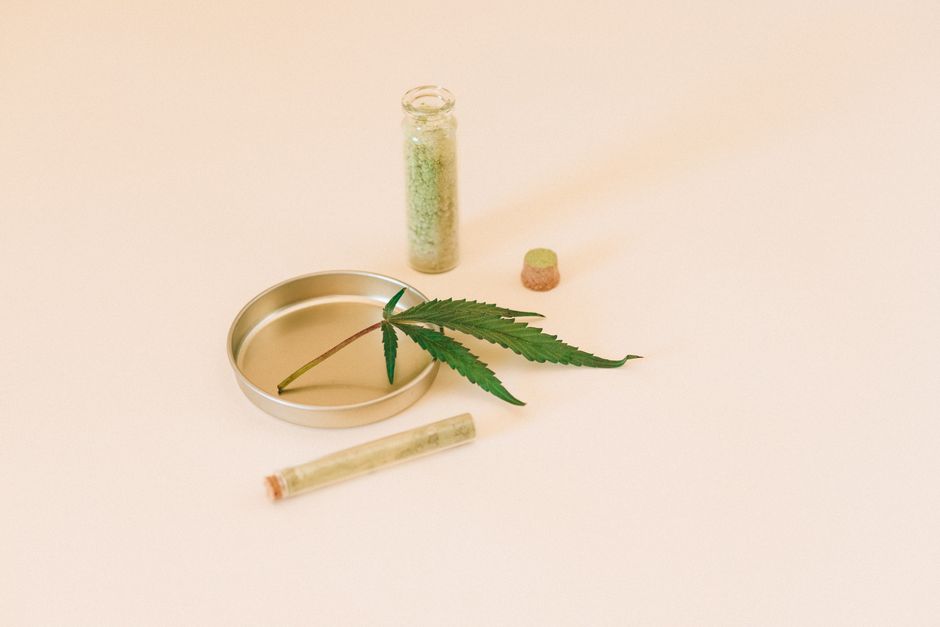
People with anxiety often hear that medical marijuana could be their answer. The science on this is more complicated than many headlines suggest. For some people, cannabis offers real relief. For others, it makes anxiety worse, sometimes much worse. The honest answer is that medical marijuana is not a first-line treatment for anxiety, but it is being studied seriously for specific cases.
What Does the Research Actually Say About Cannabis and Anxiety?
Studies on cannabis and anxiety produce mixed results. Some research indicates that low doses of CBD, a compound in cannabis, may help reduce anxiety in social situations. THC, the compound that causes a “high,” is a different story. At low doses, some people report feeling calmer. At higher doses, THC frequently triggers anxiety, paranoia, and panic attacks.
The evidence is not strong enough to recommend cannabis as a standard anxiety treatment. Clinical guidelines from major psychiatric organizations do not currently list medical marijuana as a first-line therapy for anxiety disorders. Some clinicians prescribe it, but that practice is not backed by large, definitive trials.
What is clear is that cannabis affects everyone differently. Your brain chemistry, your tolerance, and the specific strain all matter. A product that calms one person can trigger a panic attack in another.
How Does Cannabis Interact With the Brain’s Stress System?
Your body has an endocannabinoid system. This system helps regulate mood, sleep, appetite, and stress responses. THC binds directly to cannabinoid receptors in the brain. This binding produces the euphoric effects and can also increase activity in the amygdala, the brain region that processes fear and anxiety.
CBD works differently. It does not bind strongly to those same receptors. Instead, it appears to influence serotonin signaling and may dampen the brain’s fear response. Some studies suggest CBD can reduce anxiety before public speaking or stressful events, but the research is still early.
This difference explains why CBD products are often marketed for anxiety while THC products are more unpredictable. The two compounds are not interchangeable. Their effects on the brain are fundamentally different.
Can Medical Marijuana Help With Anxiety or Does It Make It Worse?
This is the core question. The answer depends heavily on dose and individual biology. Low doses of THC, under 5 milligrams, may produce a mild calming effect for some people. Higher doses, especially above 10 milligrams, are more likely to cause anxiety, racing thoughts, and heart palpitations.
Regular use can also backfire. People who use cannabis heavily over time may develop what researchers call “cannabis use disorder.” This condition involves a tolerance to the drug and withdrawal symptoms when stopping. Anxiety is a common withdrawal symptom. This can create a cycle where a person uses cannabis to calm down, then experiences rebound anxiety when the effects wear off.
Some research suggests that long-term cannabis users may become more sensitive to anxiety over time, not less. The brain adapts to the presence of THC, and when it is absent, the stress response can become overactive.




What Conditions Are Currently Approved for Medical Marijuana?
Medical marijuana is legal in many states, but anxiety is not always an approved condition. Every state has its own list of qualifying conditions. Common ones include chronic pain, cancer-related nausea, multiple sclerosis, and epilepsy.
Some states do include anxiety or post-traumatic stress disorder on their lists. PTSD is more commonly approved than generalized anxiety disorder. This is partly because some studies show promise for cannabis in reducing nightmares and hypervigilance in PTSD patients.
If you are considering medical marijuana for anxiety, check your state’s specific regulations. A doctor’s recommendation is required in most states. Be prepared for the possibility that your condition may not qualify.
CBD Is Not the Same as Medical Marijuana
CBD products are widely available without a prescription. They contain little to no THC. Many people use them for anxiety because they do not produce a high and are generally considered safe.
Some research supports CBD for anxiety. A notable study from Brazil found that CBD reduced anxiety in people performing a public speaking test. Other studies have shown similar results in small groups. However, the evidence base is still limited. Most studies are small, short-term, and use specific doses that may not match what is sold in stores.
The CBD market is also poorly regulated. Product labels are not always accurate. Some products contain more THC than labeled, which could cause a positive drug test or unexpected psychoactive effects. Others contain less CBD than claimed. This makes it hard to know exactly what you are taking.
What Are the Risks of Using Cannabis for Anxiety?
There are real risks. The most immediate is the potential for increased anxiety and panic attacks. This is especially true for people who are new to cannabis or who use high-THC products.
Other risks include:
- Dependency and withdrawal symptoms
- Impaired memory and concentration
- Increased heart rate, which can be distressing for people with anxiety
- Worsening of symptoms over time with regular use
- Potential interactions with other medications, including antidepressants
Smoking cannabis also exposes your lungs to tar and other irritants. Vaping carries its own risks, especially if the product contains additives. There have been cases of severe lung injury linked to vaping cannabis products.
For people with a family history of schizophrenia or psychosis, cannabis use carries additional risk. THC can trigger psychotic episodes in vulnerable individuals. This is rare but serious.
What Are the Evidence-Based Alternatives to Cannabis for Anxiety?
Several treatments have strong scientific support. Cognitive behavioral therapy (CBT) is one of the most effective approaches. It helps people identify and change thought patterns that fuel anxiety. Research consistently shows that CBT works as well as medication for many people.
Selective serotonin reuptake inhibitors (SSRIs) are the most commonly prescribed medications for anxiety. They work by increasing serotonin levels in the brain. They take several weeks to become effective but are generally well tolerated.
Lifestyle changes also matter. Regular exercise, adequate sleep, and reducing caffeine intake all have evidence behind them. Exercise, in particular, has been shown to reduce anxiety symptoms in numerous studies.
If you are interested in cannabis as a complement to these treatments, talk to your doctor. Do not stop taking prescribed medications without medical supervision. Abruptly stopping an SSRI can cause withdrawal symptoms and a return of anxiety.
How to Approach Your Doctor About Medical Marijuana
Be direct and honest. Tell your doctor that you are considering medical marijuana for anxiety. Ask about the evidence for your specific situation. If your doctor is not knowledgeable about cannabis, ask for a referral to a specialist who is.
If you do receive a recommendation, start with the lowest possible dose. Keep a journal of your symptoms, mood, and any side effects. This information helps you and your doctor make adjustments.
Be aware that some doctors are reluctant to recommend cannabis for anxiety. This is not because they are uninformed. It is because the evidence is genuinely mixed. Respect that position and ask for alternatives if you are not satisfied with the answer.
What to Know Before Trying CBD for Anxiety
If you choose to try CBD, buy from a reputable source. Look for products that provide third-party lab testing. This testing verifies the amount of CBD and THC in the product. Check the certificate of analysis before purchasing.
Start with a low dose. Many products suggest a serving size on the label, but these are not standardized. Some research suggests that moderate doses of CBD, around 300 to 600 milligrams, are effective for anxiety. However, these doses are much higher than what most commercial products contain.
No clinical guidelines currently exist for CBD dosing for anxiety. The FDA has not approved CBD for this purpose. The only FDA-approved CBD product is for certain forms of epilepsy. Treat any anxiety claim on a CBD label with healthy skepticism.
Frequently Asked Questions
Is medical marijuana legal for anxiety in all states?
No. Each state has its own list of qualifying conditions for medical marijuana. Some states include anxiety or PTSD, but many do not.
How fast does CBD work for anxiety?
CBD taken as an oil or tincture usually takes effect within 30 to 60 minutes. Edibles can take longer because they must pass through the digestive system.
Can CBD make anxiety worse?
It is possible, though rare. Some people report increased anxiety or restlessness after taking CBD, especially at high doses. If this happens, stop using the product and talk to your doctor.
Is it safe to use medical marijuana with antidepressants?
There is limited research on this combination. Cannabis can interact with some antidepressants, potentially increasing side effects or reducing effectiveness. Always tell your doctor about all substances you are using.
