
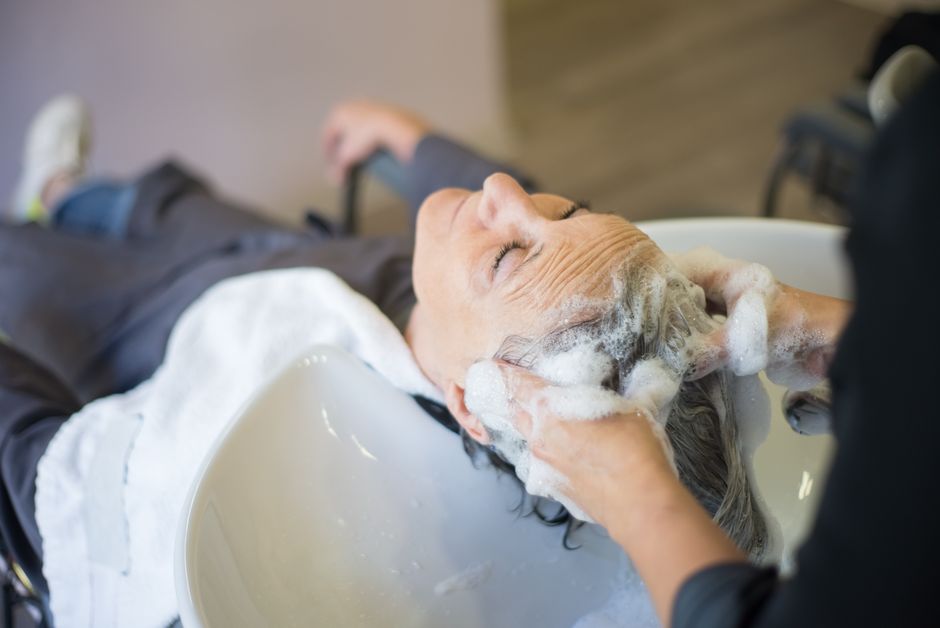
Ketoconazole shampoo, often sold under the brand name Nizoral, is a common part of many hair loss treatment plans. The short answer is yes, it can help with certain types of hair loss, but it is not a standalone cure. It works by targeting a specific scalp condition that contributes to hair thinning, rather than by stimulating new growth the way minoxidil does. Understanding what it actually does—and what it does not do—will help you decide if it belongs in your routine.
How Does Nizoral Shampoo Work for Hair Loss?
Nizoral contains ketoconazole, an antifungal medication. In most over-the-counter versions, the concentration is 1%. A 2% version is available by prescription. The primary purpose of this drug is to treat fungal infections of the skin and scalp, specifically those caused by yeast.
The yeast in question is called Malassezia. This organism naturally lives on the scalp of most adults. In some people, it overgrows. This overgrowth triggers an inflammatory response in the skin, leading to a condition known as seborrheic dermatitis. You might know it as dandruff that comes with redness, itching, and flaky scales.
That inflammation is the connection to hair loss. Chronic inflammation around the hair follicle can disrupt the normal hair growth cycle. It can push hairs out of the growth phase too early and contribute to a type of shedding called telogen effluvium. In people who are already genetically predisposed to pattern hair loss, this added inflammation can accelerate the process.
By reducing the yeast population, ketoconazole lowers scalp inflammation. When the inflammation subsides, the scalp environment becomes healthier for hair follicles. This is why Nizoral is often described as a treatment for the scalp, not the hair itself.
What Kind of Hair Loss Does Nizoral Treat?
Nizoral is most effective for hair loss that is linked to scalp inflammation and seborrheic dermatitis. If your hair loss comes with visible dandruff, an itchy scalp, or greasy flakes, this shampoo may address the root cause of the shedding.
It is less clear whether Nizoral helps with androgenetic alopecia—the medical term for male and female pattern baldness. Pattern hair loss is driven by hormones, specifically dihydrotestosterone (DHT), which shrinks hair follicles over time. Ketoconazole does not block DHT systemically the way finasteride does. However, some research suggests that ketoconazole may have a mild anti-inflammatory effect that could indirectly reduce the impact of DHT on susceptible follicles.
One widely referenced study from the early 2000s compared a 2% ketoconazole shampoo to a placebo in men with pattern hair loss. The men using ketoconazole showed improvements in hair density and hair size. This study was small, and the results have not been consistently replicated on a large scale. Still, the finding aligns with what dermatologists observe in practice: reducing scalp inflammation is good for hair retention.
The honest position is that Nizoral helps most clearly with inflammatory hair shedding. For pattern baldness, it is considered a supportive therapy, not a primary treatment. You should not expect it to regrow hair on a receding hairline.
Does Nizoral Shampoo Help with Hair Loss? What the Evidence Shows
Clinical evidence for ketoconazole in hair loss is limited but real. Most of the strongest data comes from studies on seborrheic dermatitis, where ketoconazole is a first-line treatment. When the dermatitis clears, the associated hair shedding often stops.
For pattern hair loss specifically, the evidence is weaker. There are no large, long-term trials proving that Nizoral alone prevents baldness or regrows hair. The research that exists is mostly small and short-term. Some studies suggest a modest benefit, while others show no significant difference compared to a placebo.
This is why dermatologists rarely recommend Nizoral as a single therapy for hair loss. It is almost always used as part of a combination approach. The typical stack includes minoxidil to stimulate growth and finasteride to block DHT. Nizoral is added to keep the scalp clean and reduce inflammation so the other treatments can work in a healthier environment.
Think of it this way: if your scalp is inflamed and flaky, no topical treatment will absorb well, and the follicles are under stress. Nizoral addresses that stress. It is a foundation, not the whole building.





How to Use Nizoral Shampoo for Hair Loss
If you decide to try Nizoral, the way you use it matters. For the 1% over-the-counter version, the standard approach is to use it two to three times per week. For the 2% prescription version, most dermatologists recommend twice weekly.
Here is the practical routine:
- Wet your hair and scalp thoroughly.
- Massage the shampoo into the scalp, not just the hair ends.
- Leave it on for three to five minutes. This contact time is critical for the antifungal to work.
- Rinse completely.
You can alternate Nizoral with your regular shampoo on the other days. If you use minoxidil, apply it after your hair is dry. Do not apply minoxidil immediately after rinsing off Nizoral, as the scalp may be slightly irritated and absorption may be unpredictable.
Consistency matters. It can take four to six weeks of regular use to see a reduction in flaking and itching. For hair shedding, you may need to use it consistently for several months before you notice a change.
Are There Side Effects or Risks?
Nizoral is generally well tolerated, but it is not risk-free. The most common side effects are scalp irritation, dryness, and a change in hair texture. Some people report that their hair feels brittle or straw-like after use. This is more common with the 2% version and with frequent use.
To minimize dryness, do not use Nizoral every day. Focus it on the scalp and keep it away from the hair ends. Use a conditioner after rinsing if your hair feels dry.
Serious side effects are rare when the shampoo is used as directed. The drug is absorbed through the skin in very small amounts. Systemic side effects, such as liver toxicity, are associated with oral ketoconazole, not topical use. Still, if you have liver disease or are pregnant, talk to a doctor before using it.
Pregnant and breastfeeding women should be cautious. The 1% version is generally considered safe for topical use, but clinical guidelines for routine use during pregnancy are not firmly established. A doctor can help you weigh the risks and benefits.
Nizoral vs. Other Hair Loss Treatments
Nizoral occupies a specific niche in hair loss care. It is not a growth stimulant like minoxidil, and it is not a hormone blocker like finasteride. It is an anti-inflammatory and antifungal agent.
Here is how it compares to the main alternatives:
| Treatment | Primary Mechanism | Best For |
|---|---|---|
| Nizoral (ketoconazole) | Reduces yeast and scalp inflammation | Hair loss with dandruff or itchy scalp |
| Minoxidil | Stimulates hair follicle activity | Regrowing hair on the crown and top of scalp |
| Finasteride | Blocks DHT production | Preventing further pattern hair loss in men |
These three treatments are not interchangeable. They address different parts of the problem. Many dermatologists recommend using them together for the best results, but that combination should be guided by a medical evaluation.
Should You Try Nizoral for Hair Loss?
If you have hair loss accompanied by dandruff, itching, or visible scalp inflammation, Nizoral is a reasonable first step. It is inexpensive, available over the counter, and has a good safety profile.
If you have pattern hair loss without any scalp symptoms, Nizoral is unlikely to be enough on its own. You would likely benefit more from minoxidil or finasteride, depending on your gender and medical history. Nizoral can still be added as a supportive measure, but do not expect dramatic regrowth.
Before starting any hair loss treatment, it is worth seeing a dermatologist. Hair loss has many causes, including iron deficiency, thyroid problems, and stress. A blood test and scalp examination can rule out these issues. If you are losing hair rapidly, in patches, or with pain, that is a red flag that requires medical evaluation.
Frequently Asked Questions
Can Nizoral shampoo regrow hair?
Nizoral does not reliably regrow hair on its own. It can improve hair density in some people by reducing scalp inflammation, but it is not a growth stimulant like minoxidil.
How often should I use Nizoral for hair loss?
Use the 1% version two to three times per week and the 2% version twice weekly. Leave it on the scalp for three to five minutes before rinsing.
Does Nizoral work for male pattern baldness?
Evidence is limited for pattern baldness. Some studies suggest a modest benefit, but Nizoral is usually considered supportive therapy rather than a primary treatment for this condition.
Can I use Nizoral with minoxidil?
Yes, these can be used together. Apply Nizoral during your shower, rinse thoroughly, dry your hair, and then apply minoxidil. Do not apply minoxidil to a wet scalp immediately after rinsing.
