
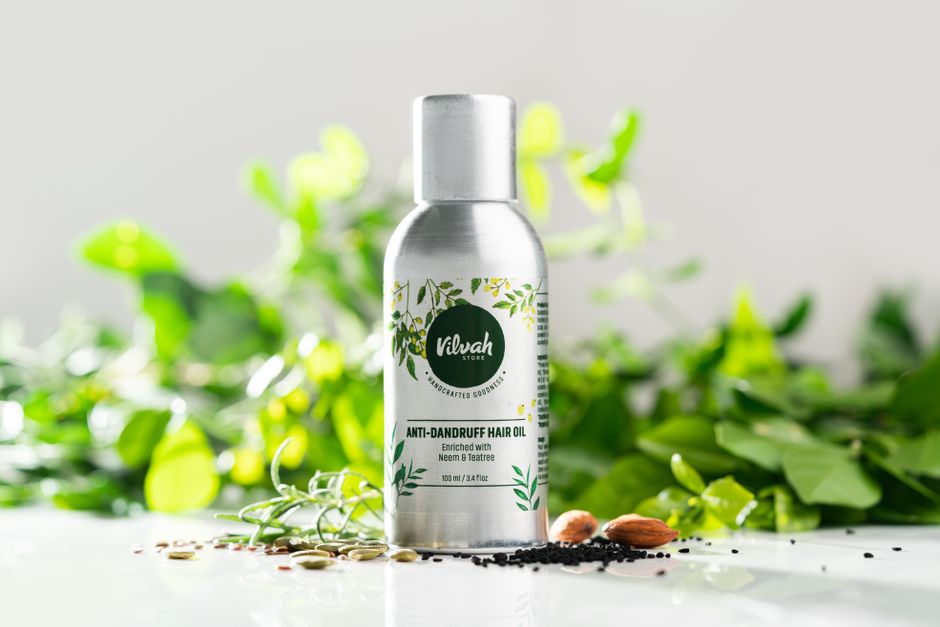
Neem oil has a reputation as a natural fix for almost everything, from garden pests to skin problems. So it is no surprise that people ask whether it can also wipe out mold in a bathroom, a basement, or on a windowsill. The short answer: neem oil can slow mold down, but it does not kill mold the way a true fungicide or a household disinfectant does. It may inhibit growth on a surface, yet it leaves the mold’s structure and spores largely intact, and it does nothing about the moisture problem that let the mold grow in the first place.
Does Neem Oil Actually Kill Mold?
No. Neem oil is not a registered mold killer, and the evidence that it destroys mold is thin.
Neem oil comes from the seeds of the neem tree. Its main active compound is azadirachtin, along with a mix of other plant compounds. In agriculture, neem products are used mostly as insecticides and as growth regulators for insects. Some of these compounds do show antifungal activity in laboratory studies, meaning they can interfere with certain fungi grown in a dish.
That laboratory activity is real, but it is not the same as killing mold on your wall. A chemical that slows a fungus in a petri dish may do very little on a porous, damp surface where mold has already rooted itself into the material. Most of the antifungal research on neem has looked at crop fungi, not at the mold species that grow in homes. There is no strong body of human or field evidence showing neem oil eliminates indoor mold.
What neem oil can plausibly do is make a surface less friendly to new mold growth for a while. That is a far cry from killing an established colony.
How Does Neem Oil Affect Mold Compared to Bleach or Vinegar?
Neem oil works differently from the products people usually reach for, and it is weaker on mold.
Mold is a fungus, and different cleaners attack it in different ways. Understanding the difference helps you pick the right tool.
- Neem oil: Contains compounds with antifungal activity in lab settings. May slow or inhibit mold growth on a surface. Does not reliably kill established mold or remove spores.
- Bleach: A strong oxidizer that kills mold and spores on non-porous surfaces like tile and glass. It does not penetrate porous materials such as drywall or wood, so mold inside those materials survives.
- Vinegar: A mild acid that can kill some mold species on non-porous surfaces. Its effect is weaker than bleach and it does not work on all mold types.
- Purpose-made mold cleaners: Formulated and often tested specifically for mold and mildew on household surfaces.
The key point is that killing mold and removing mold are two different jobs. Even a product that kills mold on contact does not remove the dead mold, the spores, or the stains. Cleaning and physical removal still matter.
Why Does Mold Keep Coming Back Even After You Clean It?
Mold returns because the moisture that feeds it was never fixed. Cleaning is the easy part. Drying is the real job.
Mold needs three things to grow: mold spores, a food source, and moisture. Spores are almost everywhere in the air, indoors and out. Many common materials — drywall paper, wood, fabric, dust, and even some paints — can serve as food. You cannot remove spores or food from a normal home.
That leaves moisture as the only factor you can control. If a surface stays damp, mold will regrow no matter what you clean it with, neem oil included. Common moisture sources include leaks, condensation on cold surfaces, high indoor humidity, poor ventilation in bathrooms and kitchens, and water that seeped into walls or floors.
This is why a surface wiped with neem oil often looks clear for a short time and then shows mold again. The oil did not fix the water problem, so the mold simply regrew.



What Is the Right Way to Deal With Mold in a Home?
Fix the moisture first, then remove the mold. The order matters.
For small patches of mold on hard surfaces — a bit of bathroom caulk, a shower curtain, a windowsill — cleaning with a suitable product and then keeping the area dry is usually enough. For porous materials like drywall or ceiling tiles that are moldy through and through, cleaning the surface often is not enough and the material may need to be removed and replaced.
Reducing indoor moisture is the durable fix. Practical steps include:
- Fix leaks and water intrusion promptly.
- Run exhaust fans in bathrooms and kitchens, or open a window.
- Keep indoor humidity in check. The U.S. Environmental Protection Agency suggests keeping indoor humidity below 60 percent, and ideally between 30 and 50 percent, to help limit mold growth.
- Use air conditioners and dehumidifiers in damp spaces such as basements.
- Dry wet areas and materials within 24 to 48 hours. The EPA and the Centers for Disease Control and Prevention both point to this window as important for limiting mold growth after water damage.
Neem oil does not belong in this list as a mold treatment. It is not a step that established guidance recommends for mold cleanup.
When Is Mold a Health Concern and When Should You Get Help?
Mold can affect health, and some situations call for professional help rather than a DIY approach.
Mold exposure can trigger allergy-like symptoms in some people — sneezing, runny nose, itchy eyes, coughing, or skin irritation. People with asthma may notice worsening symptoms. People with weakened immune systems can be at higher risk of more serious mold-related infections. The evidence on other long-term health effects is less clear, and researchers continue to study it.
The CDC advises that you should not try to clean up mold yourself if the affected area is larger than about 10 square feet, if the mold came from contaminated water such as sewage, or if you have been experiencing health problems you think are linked to mold. In those cases, a qualified professional is the safer choice. If you have ongoing symptoms you believe are related to mold, that is a conversation for a doctor, not a cleaning product.
One detail worth knowing: dead mold can still cause allergic reactions. So killing mold is not the goal by itself. Removing it and eliminating the moisture is.
Is Neem Oil Safe to Use Around the Home?
Neem oil is generally considered low in toxicity, but “natural” does not automatically mean risk-free.
Neem oil can irritate skin and eyes in some people, and it should not be swallowed. Products sold as neem oil vary widely in purity and concentration, and many are blended for garden use rather than indoor cleaning. There is no established guidance for using neem oil as a household mold treatment, so there is no reliable information on how well it would work or what concentration to use.
For anyone pregnant, breastfeeding, or using it around infants and children, treat neem oil with extra caution. No clinical guidelines exist for using neem oil as a mold cleaner in these groups, and it should not be applied to skin or ingested without medical guidance. If you are unsure, keep it away from children and pets and follow the product label.
The bottom line is simple. Neem oil is not a mold killer you can rely on. If you are dealing with mold, the effective approach is to remove the mold, dry the area, and fix the moisture source — not to reach for a bottle of neem oil.
Frequently Asked Questions
Does neem oil kill black mold?
No, neem oil is not a proven killer of black mold or any common indoor mold. It may slow mold growth in some lab settings, but there is no strong evidence it eliminates mold on household surfaces.
Can I use neem oil to clean mold in my bathroom?
You can apply it, but it is not a reliable mold cleaner and no established guidance recommends it for that purpose. For bathroom mold, cleaning the surface and fixing the moisture problem is what actually works.
Why does mold come back after I treat it with neem oil?
Because neem oil does not remove the moisture that mold needs to grow. As long as the surface stays damp, mold will regrow regardless of what you clean it with.
Is neem oil safe to use around children and pets?
Neem oil is generally low in toxicity, but it can irritate skin and eyes and should not be swallowed. Keep it away from children and pets and follow the label, since no guidelines exist for using it as a mold treatment.
