
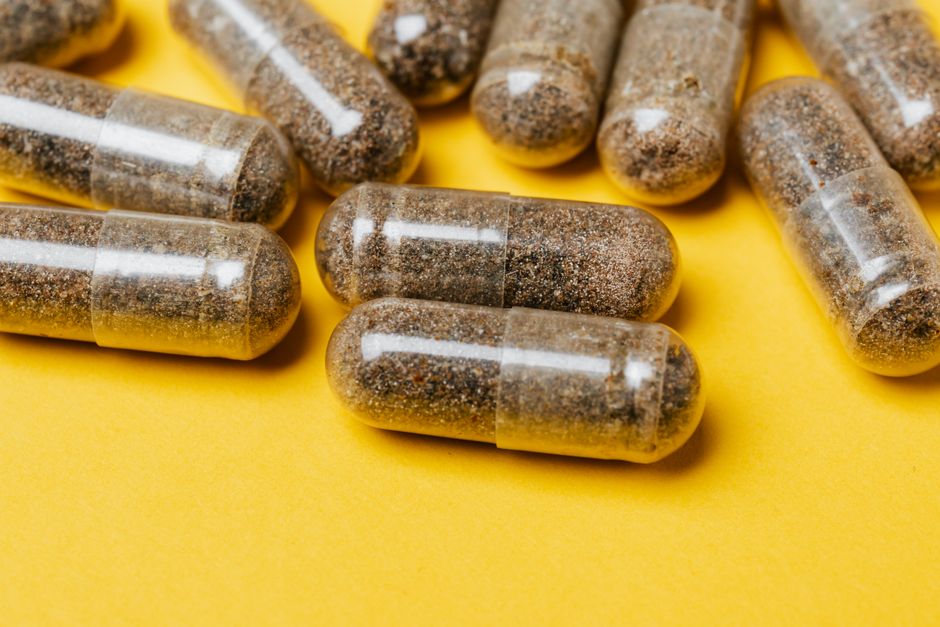
Microdosing mushrooms is the practice of taking a very small amount of psilocybin, the active compound in magic mushrooms, on a regular schedule. The doses are so small that they do not cause hallucinations or a “high.” People take them hoping to ease anxiety, boost mood, or sharpen focus. The real answer is that the evidence is promising but not yet proven. Small studies and many personal reports suggest microdosing may help some people with anxiety, but large clinical trials have not yet confirmed it as a reliable treatment.
What Is Microdosing Exactly?
Microdosing means taking roughly one-tenth to one-twentieth of a normal psychedelic dose. A typical microdose is between 0.1 and 0.3 grams of dried psilocybin mushrooms. At this level, you should not feel altered, see visual changes, or struggle to think clearly.
People usually follow a schedule. A common pattern is dosing every three days, or taking the dose for two days and then resting for two. The goal is to feel subtle changes in mood and energy without disrupting daily life. Some people describe it as a gentle lift in perspective rather than a strong effect.
It is important to understand that this is not the same as a full psychedelic trip. A full dose can be intense and lasts many hours. A microdose is designed to be nearly invisible to the person taking it, except for the intended benefits.
Does Microdosing Mushrooms Help with Anxiety?
Research on microdosing for anxiety is still early, but the results so far are encouraging. Several small studies have found that people who microdose report lower levels of anxiety, stress, and depression. These studies rely heavily on self-reported data, which means participants describe their own experiences rather than being measured by objective tests.
The strongest evidence comes from survey-based research. Some studies indicate that people who microdose score better on standard anxiety scales than those who do not. However, these studies cannot prove cause and effect. People who choose to microdose may already be healthier, more open to new experiences, or more likely to report positive changes.
A few small placebo-controlled trials have been conducted, and they show mixed results. Some trials found no significant difference between microdosing and placebo for anxiety symptoms. This is a critical point. The placebo effect is powerful, especially for mood-related conditions. Some researchers believe that the expectation of improvement may explain part of the benefit people report.
What this means for you: microdosing may help some people feel less anxious, but the science is not settled. It is not yet a proven treatment in the way that standard anxiety medications or therapy are.
How Psilocybin Might Affect Anxiety
Psilocybin works in the brain by interacting with serotonin receptors, particularly the 5-HT2A receptor. Serotonin is a chemical that helps regulate mood, sleep, and anxiety. When psilocybin binds to these receptors, it can change how different brain regions communicate with each other.
Full-dose psilocybin therapy has shown more consistent results than microdosing. In clinical settings, a single large dose combined with psychotherapy has helped people with severe anxiety, depression, and end-of-life distress. The FDA has granted it “breakthrough therapy” status for treatment-resistant depression, which speeds up the research process.
Microdosing may work differently. The small dose likely produces only subtle changes in brain activity. Some researchers believe it may promote neuroplasticity, which is the brain’s ability to form new connections. This could help people break out of anxious thought patterns over time. But this theory has not been fully tested in humans.
One non-obvious insight: the schedule may matter more than the dose. Some researchers suggest that the ritual of taking a dose, pausing, and reflecting on the day may create a mindfulness effect that reduces anxiety. This is difficult to separate from the drug’s direct effects in studies.

What the Research Really Shows
Let’s look at the evidence more carefully. A large international survey published in the Journal of Psychopharmacology collected data from over 6,000 people who microdose. Most reported improvements in mood, focus, and anxiety. But this type of study has limitations. People who volunteer for surveys may be biased toward positive experiences.
Another study from the Netherlands followed microdosers over several weeks using a smartphone app. Participants reported lower levels of stress and anxiety during the study period. Again, there was no control group, so it is hard to know if the improvement came from the mushrooms or from simply paying more attention to mental health.
One of the most rigorous trials so far was conducted at Imperial College London. It used a placebo control and found that microdosing did not produce significant improvements in mood or anxiety compared to placebo. The researchers noted that the expectation of receiving psilocybin was enough to improve outcomes in some participants.
This mix of results means we cannot give a simple yes or no answer. The honest position is: some evidence suggests benefit, but no large human trials have confirmed it. If you are considering microdosing for anxiety, you should understand that you are participating in an experiment, not following an established medical treatment.
Risks and Things to Consider
Microdosing is not risk-free. Psilocybin is still a Schedule I substance in the United States, meaning it is illegal at the federal level. Some cities and states have decriminalized it, but legal status varies widely. Possession can lead to legal consequences depending on where you live.
There are also health risks. Psilocybin can interact with medications, especially antidepressants like SSRIs. Combining them may cause serotonin syndrome, a potentially dangerous condition where too much serotonin accumulates in the body. Symptoms include agitation, rapid heart rate, and high blood pressure.
People with a family history of schizophrenia or bipolar disorder should be especially cautious. Psilocybin can trigger psychotic episodes in vulnerable individuals, even at small doses. This is rare, but it is a serious risk that is not widely discussed.
Another concern is the lack of quality control. Mushrooms bought from unregulated sources may be misidentified. Some look-alike mushrooms are toxic and can cause severe illness or death. There is no way to know the exact potency of a given batch without lab testing, which is not available to most people.
If you decide to explore microdosing, consider these safety steps:
- Research the legal status in your specific state or city
- Tell your doctor, especially if you take any psychiatric medication
- Start with a very low dose to see how your body responds
- Never drive or operate machinery after taking a dose
- Do not use if you have a personal or family history of psychosis
Alternatives with Stronger Evidence
If your goal is to reduce anxiety, several treatments have much stronger evidence behind them. Cognitive behavioral therapy, or CBT, is one of the most effective approaches. It teaches you to identify and change anxious thought patterns. Numerous studies over decades have confirmed its effectiveness.
Selective serotonin reuptake inhibitors, or SSRIs, are the most commonly prescribed medications for anxiety. They are not perfect and can have side effects, but they have been tested in large clinical trials and are approved by the FDA. They work for many people, though they can take several weeks to show full effect.
Lifestyle changes also matter. Regular exercise, consistent sleep, and reducing caffeine intake can all help lower anxiety levels. These are not quick fixes, but they build a foundation that makes other treatments more effective.
Full-dose psychedelic therapy is another emerging option. It is currently being studied in clinical trials with professional guidance. This is different from microdosing because it involves a single large dose in a controlled setting with trained therapists. Early results are promising, but it is not yet widely available outside of research studies.
How to Approach Microdosing Responsibly
If you are still interested in microdosing despite the limited evidence, approach it with caution and clear expectations. Keep a journal of your mood, anxiety levels, and any side effects. Track your experiences for at least a month before deciding whether it is helping you.
Be honest with yourself about what you are looking for. If you are hoping for a quick cure, microdosing will likely disappoint you. If you are open to subtle changes and willing to do the emotional work alongside it, you may find it useful as part of a broader mental health strategy.
Consider working with a therapist who is knowledgeable about psychedelics. Some mental health professionals are trained in this area and can help you integrate your experiences. They can also help you monitor for any negative effects.
Remember that no clinical guidelines currently exist for microdosing. There is no established dosing protocol, no standard schedule, and no clear safety profile for long-term use. You would be navigating uncharted territory, so proceed with humility.
The most important thing is to prioritize your mental health. If anxiety is interfering with your daily life, seek professional help first. Microdosing is not a substitute for evidence-based care, and it should not delay you from getting treatment that is proven to work.
Frequently Asked Questions
How long does it take for microdosing to work for anxiety?
Some people notice changes within a few days, but most report needing several weeks of consistent dosing to see meaningful effects. The evidence is mostly anecdotal, so individual results vary widely.
Can I microdose while taking antidepressants?
Combining psilocybin with antidepressants carries a risk of serotonin syndrome and reduced effectiveness of both substances. Discuss this with your doctor before attempting it, as there are no established safety guidelines for this combination.
Is microdosing legal in the United States?
Psilocybin is illegal at the federal level, though some cities and states have decriminalized or legalized it in specific contexts. Check your local laws, as legal status changes frequently and varies significantly by location.
What dose should I start with for anxiety?
Most people start with 0.1 grams of dried mushrooms, though no official dosing guidelines exist. Start low and adjust slowly, keeping in mind that potency varies between batches and individual sensitivity differs.
