

Medicare does not cover platelet-rich plasma (PRP) injections in most cases. Original Medicare considers PRP therapy experimental and investigational for most conditions, which means you will typically pay the full cost out of pocket. There is one narrow exception for certain chronic, non-healing diabetic wounds, but coverage for joint pain, arthritis, tendon injuries, or hair loss is not provided.
What Is Platelet-Rich Plasma Therapy?
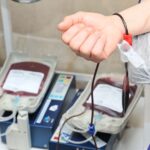
PRP therapy starts with a simple blood draw. The blood goes into a centrifuge, which spins it to separate the platelets from other blood components. The result is a concentrated solution of platelets mixed with a small amount of plasma.
This concentrated solution is then injected directly into the area being treated. Common targets include arthritic knees, damaged tendons, injured ligaments, and even the scalp for hair restoration.
The theory is that platelets release growth factors that help tissues repair themselves. These growth factors signal your body to send healing cells to the injection site and promote new tissue formation.
That theory has real biological support. Platelets do contain growth factors, and they play a central role in normal wound healing. The question is whether injecting concentrated platelets into a specific area produces meaningful clinical improvement.
Why Medicare Denies Coverage for PRP
Medicare requires that treatments be “reasonable and necessary” for coverage. A treatment is not considered reasonable and necessary if the medical evidence does not consistently show it works.
For most PRP uses, the evidence is mixed. Some studies show benefit for certain knee conditions. Other studies show no difference compared to placebo injections. This inconsistency is the core reason Medicare classifies PRP as investigational.
Medicare does not make coverage decisions based on what individual patients report. It relies on published clinical trials and systematic reviews. When research findings conflict, Medicare errs on the side of non-coverage.
The result is straightforward: if you are a Medicare beneficiary seeking PRP for arthritis or a sports injury, you should expect to pay for it entirely on your own.
Does Medicare Advantage Cover PRP Injections?
Medicare Advantage plans are private insurance plans that replace Original Medicare. They must cover everything Original Medicare covers, but they can also offer extra benefits.
Some Medicare Advantage plans advertise supplemental benefits like fitness memberships, transportation, or dental care. PRP injections are not a standard supplemental benefit, and most Advantage plans follow the same coverage rules as Original Medicare.
You cannot assume a Medicare Advantage plan will cover PRP just because it offers extra benefits. You would need to check your specific plan documents and call your insurer directly to ask about PRP coverage.
Even when a plan says it covers “alternative therapies,” PRP is often excluded. The distinction matters because a vague plan brochure does not guarantee coverage. Only a written confirmation from your plan counts.




When Might Medicare Cover PRP?
There is one situation where Medicare coverage for PRP exists. For certain chronic, non-healing diabetic foot wounds, some Medicare contractors have approved PRP as a covered treatment.
This is a narrow exception. It applies only to diabetic ulcers that have not responded to standard wound care for a defined period. It does not apply to joint injections, tendon treatments, or cosmetic uses.
Even within this exception, coverage varies by region. Medicare coverage decisions are made by local contractors in different parts of the country. A treatment covered in one state may not be covered in another.
If you have a diabetic wound that is not healing, talk to your wound care specialist. They can tell you whether PRP might be an option in your area and whether Medicare would cover it.
What Does PRP Cost Without Medicare Coverage?
The cost of PRP injections varies widely. A single injection typically ranges from $500 to $2,500 depending on the clinic, the body part being treated, and your geographic location.
Many treatment protocols call for a series of injections. A common schedule is three injections spaced several weeks apart. That means total costs can easily reach several thousand dollars.
These prices reflect the full out-of-pocket cost. There is no Medicare copayment or deductible because Medicare is not involved in the claim at all.
Some clinics offer package pricing for multiple injections. Others charge a separate consultation fee. Ask for a complete written price breakdown before committing to any treatment.
Does Medigap Help With PRP Costs?
Medigap policies, also called Medicare Supplement Insurance, help pay for Medicare cost-sharing. They cover copayments, coinsurance, and deductibles for services that Medicare covers.
Medigap does not cover services that Medicare denies. If Medicare says PRP is investigational, a Medigap policy will not step in and pay for it. Medigap only supplements Medicare coverage; it does not expand what Medicare covers.
This is a common point of confusion. People assume a supplemental policy provides broader coverage. In reality, Medigap and Medicare make coverage decisions together. If Medicare denies the service, Medigap follows.
What the Research Actually Shows About PRP
The evidence for PRP is genuinely mixed, and it matters for understanding why coverage decisions look the way they do.
For knee osteoarthritis, some randomized trials report reduced pain and improved function compared to placebo injections. Other trials find no meaningful difference. A 2023 review of multiple studies concluded that the quality of evidence is low and that results are inconsistent across trials.
For tendon injuries like tennis elbow or Achilles tendinopathy, the picture is similar. Some patients improve, but studies comparing PRP to saline injections often show similar outcomes at six months or one year.
For hair loss, PRP shows promise in small studies, but large rigorous trials are lacking. The American Academy of Dermatology has noted that evidence is limited and that results vary between patients.
None of this means PRP never works. It means the medical community has not reached consensus, and Medicare requires consensus-level evidence for coverage.
Alternatives Covered by Medicare
If you are dealing with joint pain or tendon problems, Medicare-covered alternatives exist. These are the treatments your doctor will likely recommend first.
Physical therapy is covered by Medicare and is well-supported by evidence for many musculoskeletal conditions. It strengthens supporting muscles, improves range of motion, and reduces pain for many patients.
Corticosteroid injections are covered by Medicare for inflammatory joint conditions. They provide temporary pain relief, though repeated use has limitations.
Hyaluronic acid injections, sometimes called viscosupplementation, are covered for knee osteoarthritis in some circumstances. Coverage depends on your specific Medicare plan and the criteria they apply.
For severe joint damage, joint replacement surgery is a covered Medicare benefit. This is a major step, but it is the treatment with the strongest evidence for advanced arthritis.
How to Appeal If Medicare Denies PRP
You have the right to appeal a Medicare coverage denial. The process has several levels, starting with a redetermination request from the company that handles your Medicare claims.
To appeal, you need documentation. Your doctor must provide medical records showing why PRP is necessary for your specific condition. This includes imaging results, prior treatment history, and a clinical rationale.
Appeals succeed when the medical evidence clearly supports the treatment for your exact situation. They rarely succeed based on personal testimony alone.
Before starting an appeal, ask your doctor whether they believe an appeal has a realistic chance. Some doctors have experience with Medicare appeals and can tell you honestly whether your case is strong.
Questions to Ask Before Paying for PRP
If you decide to pursue PRP despite the lack of Medicare coverage, ask your provider direct questions before paying anything.
Ask how many injections the protocol requires and what the total cost will be. Ask what the success rate is for your specific condition and how they define success. Ask what happens if the first injection does not help — is there a refund or a discount on subsequent injections?
Ask whether the clinic uses a standardized PRP preparation method. PRP preparations vary significantly between clinics. There is no universal standard, and different preparation methods produce different platelet concentrations.
Ask about the clinician’s experience. PRP injection accuracy depends on placing the solution in the exact right location. Ultrasound guidance improves accuracy, but not every clinic uses it.
Finally, ask for realistic expectations. A responsible clinician will tell you that results vary and that PRP does not work for everyone. Be wary of anyone who guarantees improvement.
Frequently Asked Questions
Does Medicare cover PRP injections for knee arthritis?
No. Medicare considers PRP investigational for knee arthritis and does not cover it. You would pay the full cost out of pocket.
Can I get Medicare to cover PRP if my doctor says I need it?
Not automatically. A doctor’s recommendation alone does not create Medicare coverage. You would need to file an appeal with supporting medical evidence, and approval is not guaranteed.
Does Medicare cover PRP for hair loss?
No. Medicare does not cover PRP for hair loss under any circumstances because it considers the treatment cosmetic.
Will Medicare cover PRP for diabetic foot ulcers?
In some cases, yes. Some Medicare contractors cover PRP for chronic diabetic wounds that have not healed with standard care, but coverage varies by region and requires specific documentation.
