
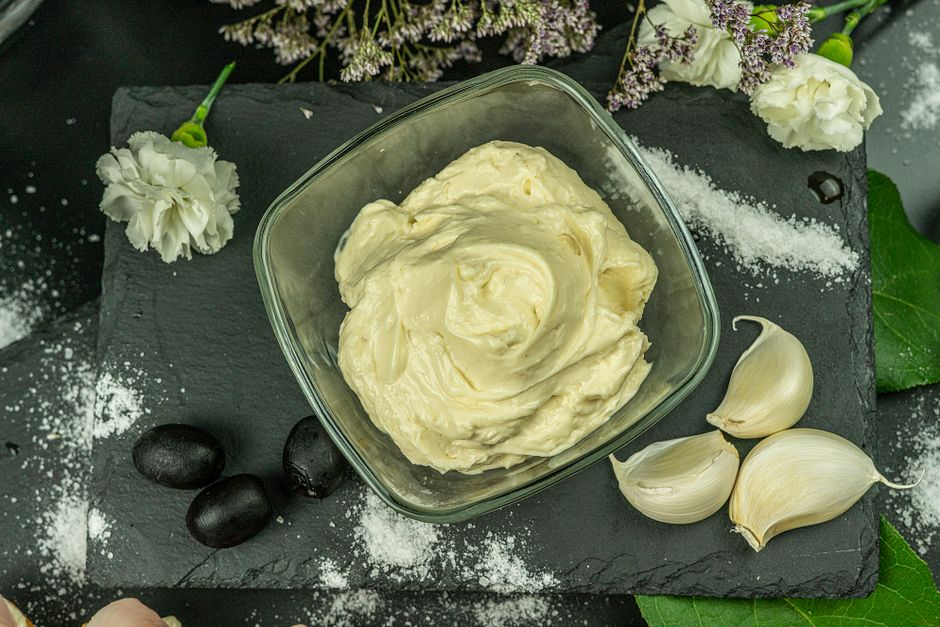
Mayonnaise is one of the most popular home remedies for head lice, and it is also one of the least proven. The idea is that coating the hair with mayonnaise smothers lice, but there is no strong scientific evidence that it reliably kills lice or their eggs. Some small studies have looked at similar thick substances, and results have been mixed at best. Health agencies do not list mayonnaise as a recommended treatment.
Does Mayonnaise Work For Lice?
No well-designed study has shown that mayonnaise reliably cures a head lice infestation. That is the honest answer, and it matters because lice are a real medical nuisance that rarely clears up on its own.
The theory behind the mayonnaise remedy is suffocation. Lice breathe through small openings along their bodies called spiracles. If you coat the hair and scalp with something thick enough, the reasoning goes, you block those openings and the lice die. It sounds logical. The problem is that lice are surprisingly good at surviving without air for extended periods, and mayonnaise does not form the kind of airtight seal the theory requires.
There is also a practical issue. Even if some adult lice were killed, mayonnaise does nothing to the eggs, called nits, which are cemented tightly to hair shafts near the scalp. Those eggs would hatch within about a week and the infestation would return. Any treatment that misses the eggs is not a complete treatment.
Some clinicians have noted that thick, oily substances can make it harder for lice to move and can make combing easier. That is a mechanical benefit, not a killing effect. It is not the same as a cure.
What Does The Evidence Actually Show About Mayonnaise For Lice?
The research on mayonnaise specifically is thin. A small number of studies have tested oily or occlusive substances on lice, and the results have been inconsistent. Some found modest effects, others found none. Most were small, and some used different substances than mayonnaise.
One recurring finding across several studies of home remedies is that plain petrolatum jelly and similar thick products can slow lice down, but they do not consistently kill them. When researchers have tested mayonnaise directly, the kill rates have generally not been high enough to call it an effective treatment.
It is worth understanding how lice treatments are actually judged. A treatment is considered effective when it kills both the live lice and the eggs, or when it kills live lice and is repeated after the eggs have had time to hatch. Mayonnaise has not been shown to meet either standard in controlled testing.
This does not mean mayonnaise is dangerous. It means the evidence does not support using it as your main treatment and expecting it to work.
Does Mayonnaise Suffocate Lice?
Suffocation is harder to achieve than it sounds. Lice can close their spiracles and survive for hours without breathing. Mayonnaise sits on the surface of the hair and scalp, but it does not create a sealed environment around each louse.
Even heavy application tends to leave gaps. Hair is not a smooth surface. There are spaces between strands, and lice can tuck themselves close to the scalp where coverage is uneven. A substance has to fully surround the insect to block its air supply, and mayonnaise rarely does that.
Some occlusive treatments do work by this general principle, but they are formulated and tested for the purpose. They are applied in specific ways and left on for specific amounts of time. Mayonnaise was not designed for this and has not been validated for it.
There is also the question of how long you would need to leave it on. No established guideline gives a duration for mayonnaise, because no guideline recommends it. Guessing at a timeframe is not a sound approach to treating a parasitic infestation.





What About Nits And Eggs?
Nits are the bigger problem. A nit is a louse egg glued to a hair shaft, usually within about a quarter inch of the scalp, where body warmth keeps it viable. The glue is strong. It does not wash out with shampoo, and it does not dissolve in mayonnaise.
Nits hatch in roughly a week to ten days. If a treatment kills the live lice but leaves the eggs, new lice emerge and the cycle starts again. This is why effective lice treatment almost always involves either killing the eggs or repeating treatment after the hatching window has passed.
Manual removal with a fine-toothed nit comb is a legitimate part of many treatment plans. It is tedious, but it physically removes eggs and lice. Some people combine combing with an approved treatment. Combing alone can work if done thoroughly and repeatedly, though it takes real effort.
What Does Actually Work For Head Lice?
Several treatments have real evidence behind them. Over-the-counter products containing permethrin or pyrethrins are widely used and are considered first-line options in many settings, though resistance has become a problem in some regions. Prescription options such as spinosad, malathion, and ivermectin lotion are used when over-the-counter products fail.
There is also a class of treatment called dimeticone, a silicone-based substance sold in some countries. It works physically rather than chemically, which means lice are less likely to develop resistance to it. Availability varies by country.
The choice of treatment depends on factors like local resistance patterns, the person’s age, pregnancy status, and whether the scalp has any breaks or skin conditions. For children under two, pregnant women, and breastfeeding women, some products are not appropriate, and guidance should come from a clinician rather than a home remedy.
Whatever treatment is used, follow the instructions exactly. Most failures happen because the product was not left on long enough, not applied thoroughly, or not repeated when the instructions called for it.
Why Do Home Remedies Spread So Easily?
Lice are common, they spread easily among children, and they cause a lot of anxiety. Parents want a solution that does not involve chemicals, does not cost much, and can be done at home. Mayonnaise fits that wish perfectly, which is probably why the idea persists.
There is also a pattern with home remedies. When someone tries mayonnaise and the lice seem to go away, they credit the mayonnaise. But lice infestations can fluctuate, and people often combine remedies with combing, washing, and other steps that may have done the real work. Without a controlled comparison, it is impossible to know what helped.
This is not a reason to distrust all home remedies. It is a reason to be careful about which ones have been tested and which have not. Mayonnaise falls into the untested category for this purpose.
Is Mayonnaise Safe To Try?
For most people, putting mayonnaise on the scalp is not harmful. It is food. The main risks are mess, wasted time, and delayed effective treatment.
There are a few situations where caution matters more. If someone has a known egg allergy, some mayonnaise products contain egg, and applying it to the scalp could trigger a reaction in a sensitive person. If the scalp has open sores from scratching, any substance applied to it could irritate the skin or introduce bacteria. And if lice have been present for a while with intense scratching, secondary skin infection is possible and needs medical attention.
The larger concern is delay. Lice spread to household members and classmates. Waiting days or weeks for a home remedy to work gives the infestation more time to spread. That is the real cost of using something unproven.
When Should You See A Doctor?
See a clinician if over-the-counter treatments have not worked after being used correctly, if the scalp shows signs of infection such as redness, swelling, or pus, or if the person has a condition or medication that affects the immune system. Lice are not dangerous on their own, but persistent infestations and skin infections need proper care.
For young children, pregnant women, and breastfeeding women, it is worth checking with a clinician before starting any treatment, including home remedies. The options are narrower in these groups and the guidance is specific.
Lice do not carry disease, and they are not a sign of poor hygiene. They are a common problem with effective treatments available. The key is choosing one that has been shown to work.
Frequently Asked Questions
Does mayonnaise kill lice and nits?
No controlled study has shown that mayonnaise reliably kills head lice or their eggs. It may slow lice down, but it has not been proven to cure an infestation.
How long should you leave mayonnaise in your hair for lice?
There is no established guideline for how long to leave mayonnaise on the hair for lice, because no health agency recommends it as a treatment. Without a tested duration, any timeframe would be a guess.
What kills head lice the fastest?
Approved treatments containing permethrin, pyrethrins, or prescription ingredients like spinosad are the options with the most evidence behind them. Effectiveness varies by region because of resistance, so a clinician can advise on what works locally.
Can lice go away on their own without treatment?
Head lice do not reliably go away on their own. Without effective treatment they usually persist and can spread to other people in the household.
