
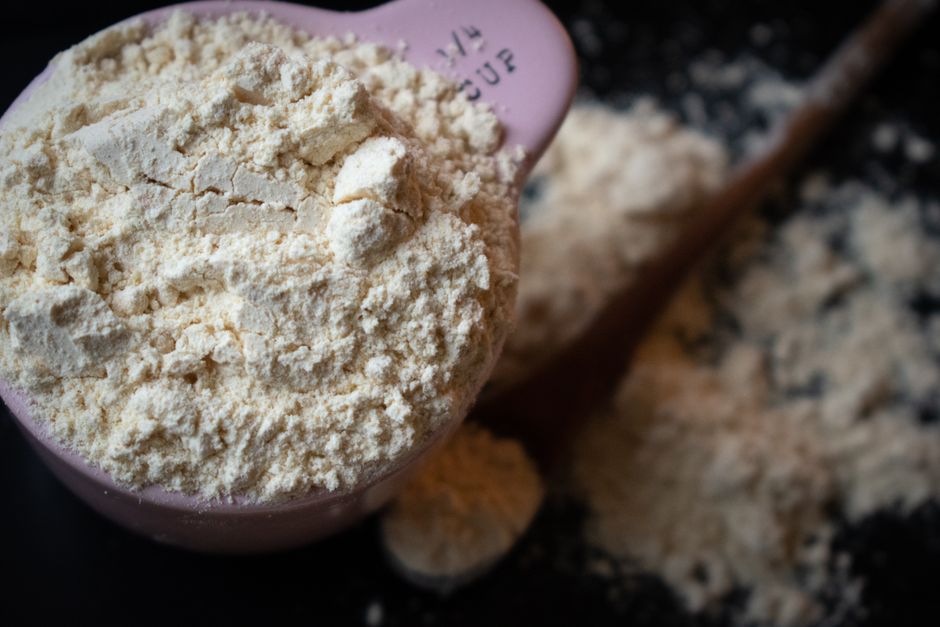
Yes, all purpose flour does expire, but not in the way most people think. It rarely becomes unsafe to eat in the way spoiled milk or moldy bread does. Instead, it loses quality over time — the flavor turns flat or stale, the color dulls, and the baking performance drops. White all purpose flour keeps far longer than whole wheat because the wheat germ and bran, which contain the oils that go rancid, have been removed.
That single difference explains almost everything about flour shelf life. Understanding what actually happens inside the bag helps you store it well, judge whether an old bag is still usable, and know when to throw it out.
What Actually Happens When Flour Gets Old?
Flour ages through two separate processes, and they matter for different reasons. The first is oxidation. The second is moisture and pest exposure.
Whole wheat flour contains the germ, which is rich in unsaturated fats. When those fats meet oxygen, they break down into compounds that smell and taste rancid — often described as crayon-like, soapy, or bitter. This is a chemical change, and it is not reversible. White all purpose flour has had the germ and bran stripped away during milling, so it contains very little fat and oxidizes much more slowly. That is the main reason white flour outlasts whole wheat by a wide margin.
The second process is simpler. Flour is hygroscopic, meaning it absorbs moisture from the air. Damp flour clumps, and in warm conditions it can support mold growth or attract pantry pests like weevils and flour beetles. These are contamination problems rather than aging problems, and they are the ones that actually make flour unsafe.
A less obvious point: fresh flour is not at peak quality. Right after milling, flour is somewhat reactive and performs inconsistently in baking. Most commercial flour is aged or treated before it reaches shelves to make it more predictable. So a bag that has sat for a few months is not automatically worse than a fresh one — it depends on how it was stored.
How Long Does All Purpose Flour Last?
Storage conditions matter more than the printed date. The same bag can stay good for many months in one kitchen and turn in a few weeks in another.
- Pantry, airtight container: generally about 6 to 12 months for white all purpose flour
- Pantry, original paper bag: shorter, often a few months, because paper breathes and lets in moisture and air
- Refrigerator: extends life to roughly a year or more if the container is truly sealed
- Freezer: keeps white flour in good condition for about two years
- Whole wheat flour: noticeably shorter across the board — often a few months in the pantry, longer refrigerated or frozen
These are general ranges, not guarantees. A humid climate, a hot kitchen, or a container that is not actually airtight can shorten them considerably.
What Does the Date on the Bag Mean?
The date on a flour package is usually a best-by or best-if-used-by date, not an expiration date in the safety sense. It reflects the manufacturer’s estimate of when quality will start to decline under normal storage — not the point at which the flour becomes dangerous.
This distinction matters. A best-by date is about peak flavor and baking performance. Passing it does not mean the flour is spoiled. It means the maker no longer stands behind the quality, and the flour may already be past its best.
Some packages carry a sell-by date instead, which is aimed at retailers and is even less relevant to your kitchen. Neither date accounts for how you stored the bag once you got it home.





Does All Purpose Flour Expire? How to Tell If Yours Has Gone Bad
Your senses are reliable here. Flour that has gone bad gives clear signals, and the smell test is the most useful one.
Start with smell. Fresh flour smells faintly of wheat or almost nothing. Rancid flour smells sour, musty, or like old crayons. If the smell makes you hesitate, that is your answer.
Next, look. Check for clumps that do not break apart easily, which suggest moisture. Look for any discoloration, dark specks, or fine webbing, which can indicate pests. If you see mold — fuzzy patches, often greenish or gray — discard the whole bag.
Finally, feel and taste. Rub a pinch between your fingers. Good flour is smooth and light. If it feels damp or gritty, be cautious. A tiny taste of flour that smells fine can confirm it — it should taste neutral, not bitter or soapy.
One thing worth saying plainly: if you find mold or pests, do not try to salvage the flour by sifting or scooping around the problem. Mold can spread threads through the whole container, and pest contamination is rarely limited to the spot you can see. Throw it out.
How Should You Store Flour to Make It Last?
Air, moisture, heat, and pests are the four things working against your flour. Good storage blocks all four.
Move flour out of the paper bag it came in. Paper is fine for the trip home but poor for long storage because it lets in air and moisture. Transfer it to an airtight container with a tight-fitting lid — glass, hard plastic, or food-grade metal all work.
Keep it cool and dark. A pantry away from the stove, oven, and dishwasher is better than a shelf above the range. Heat speeds up the oxidation of any fats present and encourages pests.
For longer storage, refrigerate or freeze. This is especially worth doing with whole wheat flour, which goes rancid much faster than white. If you freeze flour, let the container come to room temperature before opening it, so condensation does not form inside and dampen the flour.
If you buy in bulk, consider dividing it into smaller containers. Every time you open a big bin, you let in fresh air and moisture. Smaller portions mean less exposure for the flour you are not using yet.
Can You Use Expired Flour, and When Should You Not?
Flour that is past its best-by date but stored well and smells fine is generally usable. The main risk is quality, not safety. Old white flour tends to produce baked goods that are a bit flat, dry, or lacking in flavor, because its proteins and starches have changed subtly over time.
You can often compensate. If a recipe depends on flour for structure, such as bread, old flour may give a weaker rise. For recipes where flour plays a supporting role — thickening a sauce, coating something before frying, or a quick crumble topping — the difference is usually minor.
There are times to discard flour without hesitating:
- Any sign of mold
- Pests or webbing in the container
- A rancid, sour, or musty smell
- Flour that has been wet or stored in a damp space
- Flour contaminated by a spill or a chemical stored nearby
For people with celiac disease or a wheat allergy, the stakes are different. Flour is not a food where you want to gamble, and cross-contamination or spoilage is not worth the risk. When in doubt, replace it.
Does Flour Ever Become Truly Unsafe?
Plain dry flour is not a hospitable environment for most dangerous bacteria, which is why it does not spoil the way fresh food does. The real safety issue with flour is different and easy to overlook: raw flour can carry harmful bacteria such as E. coli and Salmonella from the field or milling process.
This is why you should never eat raw dough or batter, even cookie dough made without eggs. The flour itself is the risk. Cooking and baking kill these bacteria, so baked goods are fine. This is a food-safety point that has nothing to do with the age of the flour — a brand-new bag carries the same caution.
So the honest summary: flour expires in a quality sense, not usually in a safety sense. Store it well, trust your nose, and throw it out when it smells off, looks moldy, or has been visited by pests.
Frequently Asked Questions
Does all purpose flour expire?
Yes, all purpose flour loses quality over time, though it rarely becomes unsafe in the way perishable food does. White flour stored well typically keeps for about 6 to 12 months in the pantry and longer in the fridge or freezer.
Can I use flour after its expiration date?
Often yes, if it was stored airtight and smells fresh. Past its best-by date, flour may bake a little flat or taste stale, so it is best used in recipes where flour is not the star ingredient.
How can I tell if flour has gone bad?
Smell it first — rancid flour smells sour, musty, or like old crayons. Also check for clumps, mold, discoloration, or pests, and throw the bag out if you find any of these.
Does whole wheat flour expire faster than white flour?
Yes, whole wheat flour goes rancid much faster because it still contains the oily wheat germ that white flour has removed. Refrigerating or freezing it helps it last longer.
