
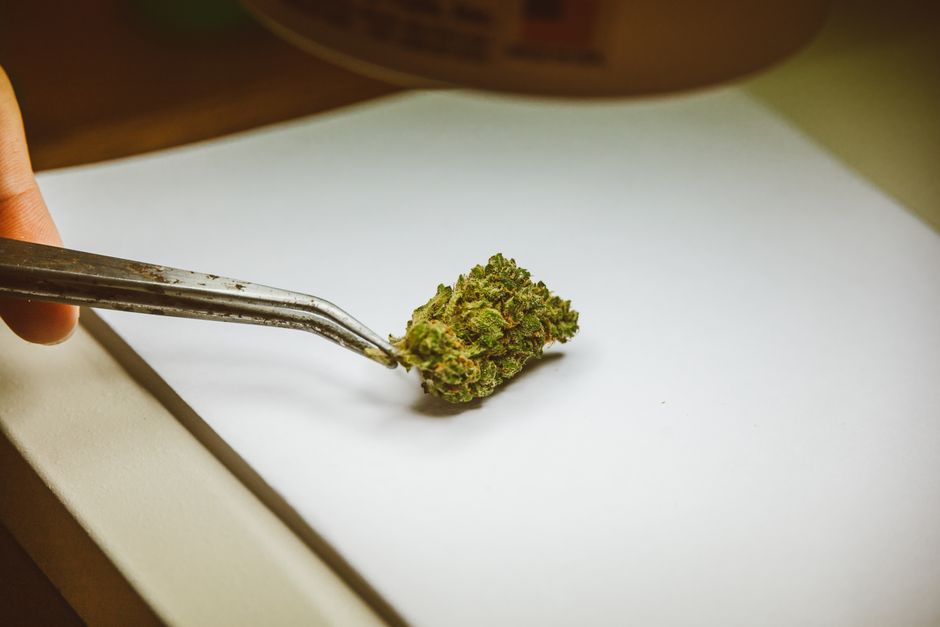
Many adults with ADHD wonder if marijuana helps or hurts their symptoms, and the honest answer is that the current evidence points more toward harm than help. While some people report feeling calmer or more focused after using cannabis, clinical research does not support marijuana as an effective treatment for ADHD. In fact, regular use may worsen attention, memory, and motivation over time, which are already areas of difficulty for people with this condition.
What Does the Research Say About Marijuana and ADHD?
Clinical studies on marijuana and ADHD are limited, but the evidence that exists is not encouraging. Most research has found that cannabis use is more common among people with ADHD than in the general population, but that does not mean it helps. People with ADHD may be more likely to use marijuana for symptom relief, yet studies consistently fail to show objective improvements in attention or impulse control.
Some research suggests that THC, the psychoactive compound in marijuana, can temporarily reduce hyperactivity in certain individuals. However, this effect appears inconsistent and is often accompanied by impaired short-term memory and slower reaction times. For a condition defined by attention difficulties, adding a substance that dulls attention is counterproductive for most people.
Long-term studies are even less favorable. Regular cannabis use during adolescence and young adulthood has been associated with worse executive function later in life. Executive function includes planning, organization, and working memory — all core challenges in ADHD. No large clinical trial has demonstrated that marijuana improves ADHD outcomes over time.
Why Some People Say Marijuana Helps Their ADHD
Personal accounts of marijuana helping ADHD symptoms are common online and in social circles. Some adults describe feeling less anxious, more focused, or better able to sit still after using cannabis. These reports are real, but they do not tell the whole story.
There are several reasons why someone might feel better with marijuana. THC can slow down racing thoughts, which may feel like relief to someone with an overactive mind. The calming effect can reduce anxiety, and anxiety often coexists with ADHD. Some people also find that marijuana helps them sleep, and better sleep can temporarily improve daytime focus.
But feeling better is not the same as functioning better. Subjective reports of improved focus do not match objective testing. When researchers measure attention, reaction time, and memory in controlled studies, cannabis users typically perform worse than non-users. The gap between how people feel and how they actually perform is a critical distinction.
How Marijuana Affects the ADHD Brain
To understand why marijuana might hurt more than help, it helps to look at brain chemistry. ADHD involves deficits in dopamine and norepinephrine signaling, particularly in the prefrontal cortex. This brain region controls attention, impulse control, and working memory. Standard ADHD medications like stimulants work by increasing dopamine and norepinephrine in this area.
THC acts on a different system entirely — the endocannabinoid system. It binds to CB1 receptors throughout the brain, including areas involved in memory, reward, and coordination. While THC does trigger dopamine release, it does so in the reward pathways rather than specifically in the prefrontal cortex. This can produce a temporary sense of pleasure or calm but does not address the underlying attention deficit.
CBD, the other major compound in cannabis, does not produce a high and has been studied for anxiety and inflammation. Some people use CBD-rich products hoping for symptom relief without intoxication. However, no clinical guidelines currently recommend CBD for ADHD, and research on its effectiveness for this condition is minimal.





Does Marijuana Interact With ADHD Medications?
Many adults with ADHD take prescription stimulants like methylphenidate or amphetamine-based medications. Combining these with marijuana carries real risks that are often overlooked.
Stimulants increase heart rate and blood pressure. Marijuana can also raise heart rate. Using both together may place additional strain on the cardiovascular system, though the exact risk level is not well quantified in research. Some studies suggest the combination increases the likelihood of anxiety, panic attacks, and elevated heart rate compared to either substance alone.
There is also a concern about how marijuana affects medication adherence. People who use cannabis regularly may be less consistent with their prescribed ADHD medication. Missing doses leads to poorer symptom control, which can create a cycle where someone feels their medication is not working and relies more heavily on marijuana.
What About Marijuana Withdrawal and ADHD Symptoms?
Regular marijuana use leads to physical dependence for many people. When someone stops using cannabis after prolonged use, they can experience withdrawal symptoms. These include irritability, anxiety, sleep problems, decreased appetite, and difficulty concentrating.
For someone with ADHD, withdrawal-related concentration problems can be particularly troublesome. It can be hard to tell whether attention difficulties come from the ADHD itself or from cannabis withdrawal. This confusion often leads people to resume marijuana use to relieve withdrawal symptoms, not realizing they may be trapped in a cycle.
Research on cannabis withdrawal syndrome is well established. The condition is recognized as a diagnosable disorder and typically begins within the first week of abstinence. Symptoms usually peak within days and can last for several weeks. For people with ADHD who are trying to quit, the temporary worsening of focus during withdrawal should not be mistaken for evidence that marijuana was helping.
Are Certain Types of Marijuana Better for ADHD?
Some people claim that sativa strains help with focus while indica strains help with relaxation. Others prefer high-CBD products over high-THC ones. These distinctions are popular in cannabis culture, but clinical evidence does not support strain-specific recommendations for ADHD.
Strain labels like sativa and indica are not standardized. Two products with the same label can have very different chemical profiles depending on the grower and processing methods. The research on strains and specific medical conditions is thin, and no studies have demonstrated that any particular strain improves ADHD symptoms reliably.
High-CBD products are sometimes viewed as safer because they do not produce intoxication. While CBD does not impair cognition the way THC does, there is no evidence that it treats core ADHD symptoms like inattention or impulsivity. Some people use CBD for associated anxiety, and limited research suggests it may help with anxiety in some individuals. But treating anxiety is not the same as treating ADHD.
What Are the Risks of Using Marijuana With ADHD?
The risks of marijuana use for people with ADHD extend beyond symptom management. Research consistently shows that individuals with ADHD who use cannabis are more likely to develop cannabis use disorder than those without ADHD. This may relate to shared genetic vulnerabilities and the impulsivity that characterizes ADHD.
Regular marijuana use is also associated with educational and occupational underachievement. For young adults with ADHD, cannabis use has been linked to lower grades, higher dropout rates, and reduced workplace performance. These outcomes may reflect both the direct effects of cannabis on cognition and the time spent using or recovering from use.
There is also evidence that early and frequent cannabis use can affect brain development. The brain continues to develop into the mid-20s, particularly the prefrontal cortex. Marijuana use during this period has been associated with lasting effects on attention and memory. For adolescents with ADHD, this is a significant concern because their brains are already developing differently.
What Are the Alternatives to Marijuana for ADHD Management?
Evidence-based treatments for ADHD are well established. Stimulant medications are the most studied and effective treatments available, with decades of research supporting their use. Non-stimulant medications are also available for people who cannot tolerate stimulants or prefer alternatives.
Behavioral therapy and cognitive behavioral therapy specifically designed for ADHD can help build organizational skills, time management, and coping strategies. These approaches teach practical skills that medication alone does not address. Many adults find that a combination of medication and therapy works best.
Lifestyle factors also matter. Regular exercise has been shown to improve attention and executive function in people with ADHD. Consistent sleep schedules, structured routines, and reducing distractions in the environment can all help manage symptoms. These approaches do not have the cognitive downsides associated with regular marijuana use.
Frequently Asked Questions
Can marijuana be prescribed for ADHD?
No regulatory body has approved marijuana as a treatment for ADHD. Some clinicians may recommend it in states with medical cannabis laws, but this is not standard practice and lacks clinical trial support.
Does CBD help with ADHD symptoms?
No clinical evidence currently confirms that CBD treats core ADHD symptoms like inattention or impulsivity. Some people use it for anxiety, but that is separate from treating ADHD itself.
How long does it take for ADHD symptoms to improve after stopping marijuana?
Withdrawal symptoms typically peak within the first week and can last several weeks. Cognitive function may improve gradually over weeks to months after stopping, though the exact timeline varies by individual and duration of use.
Is it safe to mix ADHD medication and marijuana?
Combining stimulant ADHD medications with marijuana can increase heart rate and anxiety. The combination has not been well studied, so the full risk profile is unknown, but caution is warranted.
