
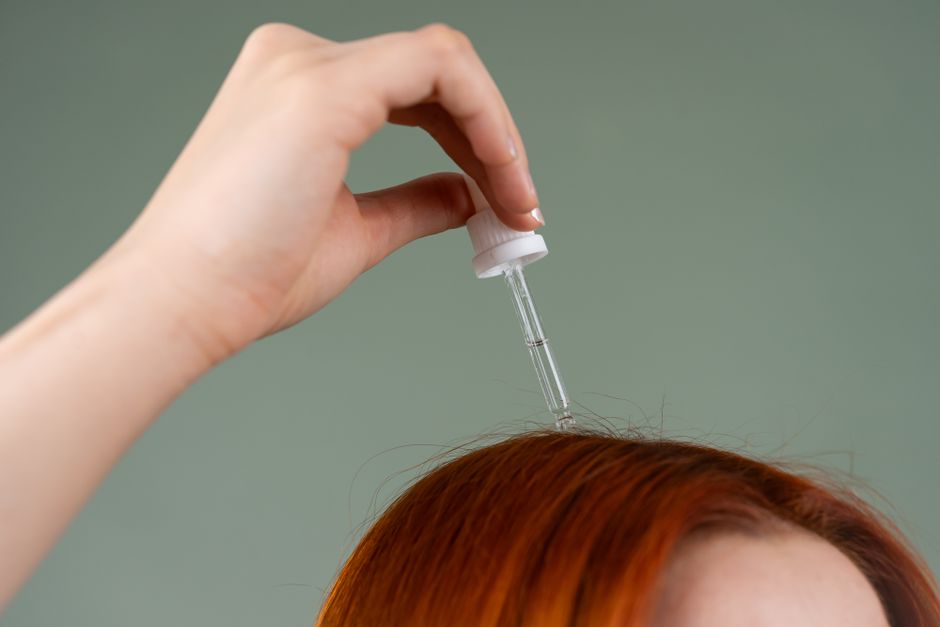
Low testosterone is not a recognized cause of hair loss in females. The pattern of hair loss most often linked to hormones in women — thinning at the crown and widening of the part with a preserved frontal hairline — is driven primarily by androgens, and the androgen most consistently implicated is testosterone’s more potent derivative, dihydrotestosterone (DHT). In women, the hormonal picture is more complicated than in men, and low testosterone by itself is not established as a cause of female hair thinning.
That answer surprises people because “low T” gets blamed for nearly everything in midlife. The reality is that hair loss in women has several common causes, and hormone levels are only one part of the picture. Understanding what the evidence actually shows — and where the gaps are — matters more than chasing a single lab value.
How Do Androgens Affect Hair Follicles in Women?
Androgens affect hair through a well-documented mechanism. Testosterone circulates in the blood and is converted to DHT by an enzyme called 5-alpha reductase. DHT binds to androgen receptors in susceptible hair follicles and, over time, causes them to shrink in a process called follicular miniaturization. The hair becomes finer, shorter, and less pigmented before it stops growing altogether.
This process is androgen-dependent, meaning it requires androgens to occur. But it does not require high androgen levels. A follicle that is genetically sensitive to DHT can miniaturize even when circulating testosterone is within the normal range. This is why many women with female pattern hair loss have completely normal hormone panels.
The key insight is that sensitivity matters more than levels. Two women can have identical testosterone levels and completely different hair outcomes based on how their follicles respond to androgens. This genetic sensitivity is not something a blood test can measure.
Does Low Testosterone Cause Hair Loss in Females?
No. Low testosterone is not a known cause of hair loss in women. The relationship between androgens and female hair loss runs in the opposite direction from what many people assume. It is androgen activity — not androgen deficiency — that drives the most common hormonal hair loss pattern in women.
There is one important exception worth noting. Sudden, diffuse hair shedding — where hair comes out in larger amounts than usual across the whole scalp — can follow a significant hormonal shift. This includes changes in estrogen, progesterone, thyroid hormone, and yes, potentially androgens. But this type of shedding (telogen effluvium) is a stress response of the hair cycle, not a direct effect of low testosterone. It typically begins weeks to months after the triggering event and is usually temporary.
Some women with low testosterone report hair thinning, and it is understandable to connect the two. But correlation is not causation. Fatigue, low libido, mood changes, and hair thinning can all occur together for reasons that have nothing to do with testosterone levels.
What Actually Causes Hair Loss in Women?
Female pattern hair loss (also called androgenetic alopecia) is the most common cause of hair thinning in women. It affects a significant proportion of women by midlife, though estimates vary widely depending on how it is defined and measured. The pattern is typically diffuse thinning over the crown with a widening part, while the frontal hairline is usually preserved — unlike the receding hairline and crown baldness seen in men.
Other common causes include:
- Telogen effluvium — temporary shedding triggered by illness, surgery, major stress, rapid weight loss, or childbirth
- Thyroid disorders — both hypothyroidism and hyperthyroidism can cause diffuse hair thinning
- Iron deficiency — low ferritin levels are associated with hair shedding, even without anemia
- Polycystic ovary syndrome (PCOS) — elevated androgens in PCOS can drive both pattern hair loss and excess facial or body hair
- Menopause transition — declining estrogen and shifting androgen-to-estrogen ratios are thought to contribute to thinning
- Nutritional deficiencies — inadequate protein, zinc, or vitamin D can affect hair growth
- Medications — certain drugs including some antidepressants, blood thinners, and chemotherapy agents are known to cause hair loss
- Traction alopecia — repeated tension from tight hairstyles damages follicles over time
The overlap between these causes is significant. A woman in perimenopause may have low ferritin, a thyroid condition, and genetic predisposition all at once. Teasing apart which factor is driving the hair loss requires a careful clinical evaluation, not a single hormone test.




Can Hormonal Changes During Menopause Cause Hair Thinning?
Yes, menopause is associated with hair changes in many women. But the mechanism is not simply “low testosterone.” During the menopause transition, estrogen and progesterone decline significantly while testosterone production decreases more gradually. The result is a shift in the ratio of androgens to estrogens, which may affect hair follicles that are sensitive to androgen activity.
Estrogen appears to have a protective effect on scalp hair, prolonging the growth phase of the hair cycle. When estrogen drops, that protection diminishes. Some researchers believe this relative androgen excess — not an absolute testosterone deficiency — contributes to postmenopausal thinning. The evidence for this is reasonable but not definitive, and the topic remains an area of active research.
It is also worth noting that menopause often coincides with other hair-affecting factors: aging, medication changes, sleep disruption, and nutritional shifts. Attributing hair thinning to a single hormonal cause during this transition oversimplifies what is usually a multifactorial process.
Should Women Get Their Testosterone Tested for Hair Loss?
Routine testosterone testing is not recommended as a first step for hair loss in women. Most clinical guidelines for evaluating female hair loss focus on history, physical examination, and targeted lab work that includes thyroid function, ferritin, complete blood count, and sometimes androgen levels if PCOS or another androgen excess condition is suspected.
If a clinician does order androgen testing, it is usually to look for elevated levels, not low ones. Elevated testosterone or DHEAS can point toward PCOS, congenital adrenal hyperplasia, or rarely an androgen-secreting tumor. Low testosterone in women is not a standard diagnostic target for hair loss because no established threshold defines “low” testosterone in women, and reference ranges vary between laboratories.
This is an important point. Unlike men, where testosterone reference ranges are relatively standardized, women’s testosterone levels are low enough that many assays lack the precision to measure them reliably. A “low” result on a standard immunoassay may not reflect a true deficiency.
What Treatments Are Used for Female Hair Loss?
Treatment depends on the underlying cause. For female pattern hair loss, topical minoxidil is the most established option. It is FDA-approved for women and has been studied in randomized controlled trials. Oral minoxidil is increasingly prescribed off-label at low doses, though it is not FDA-approved for this use in women and requires medical supervision.
Spironolactone, an anti-androgen medication, is sometimes prescribed off-label for female pattern hair loss. It works by blocking androgen receptors, which is consistent with the understanding that androgens drive this condition. However, the evidence base for spironolactone in female hair loss is less robust than for minoxidil, and it is not appropriate during pregnancy.
Other approaches include:
- Correcting underlying deficiencies (iron, vitamin D, thyroid)
- Platelet-rich plasma (PRP) injections — some studies show benefit, but protocols vary and evidence is mixed
- Low-level laser therapy — FDA-cleared devices exist, though results are modest
- Hair transplantation — effective for appropriate candidates but does not stop ongoing loss
No treatment reliably regrows hair in every woman. Response varies, and realistic expectations matter. Most treatments require several months before any change is visible, and stopping treatment typically reverses gains.
When Should You See a Doctor About Hair Loss?
See a clinician if you notice sudden or rapid hair loss, shedding that persists beyond a few months, thinning that is accompanied by scalp itching, pain, or scaling, or hair loss that occurs alongside other symptoms like fatigue, weight changes, or irregular periods. These signs suggest an underlying condition that needs evaluation.
A dermatologist or clinician experienced in hair disorders can usually distinguish between the major types of hair loss through history and scalp examination. A scalp biopsy is occasionally needed when the diagnosis is unclear. The earlier a cause is identified, the more options are available for managing it.
Frequently Asked Questions
Can low testosterone cause hair loss in females?
No, low testosterone is not a recognized cause of hair loss in women. Female pattern hair loss is driven by androgen sensitivity, not androgen deficiency.
What hormone causes hair loss in females?
Androgens, particularly DHT (a derivative of testosterone), are the primary hormones implicated in female pattern hair loss. Thyroid hormone imbalances and estrogen shifts during menopause can also contribute to thinning.
Should I get my testosterone checked for hair loss?
Routine testosterone testing is not recommended for hair loss in women unless there are signs of excess androgens, such as acne, excess facial hair, or irregular periods. Standard evaluation focuses on thyroid, iron, and other causes first.
Can hormone replacement therapy help with hair thinning after menopause?
Some women report improvement in hair with hormone therapy, but evidence is limited and results vary. Hormone therapy is not approved specifically for hair loss and should be discussed with a clinician based on individual risks and benefits.
