
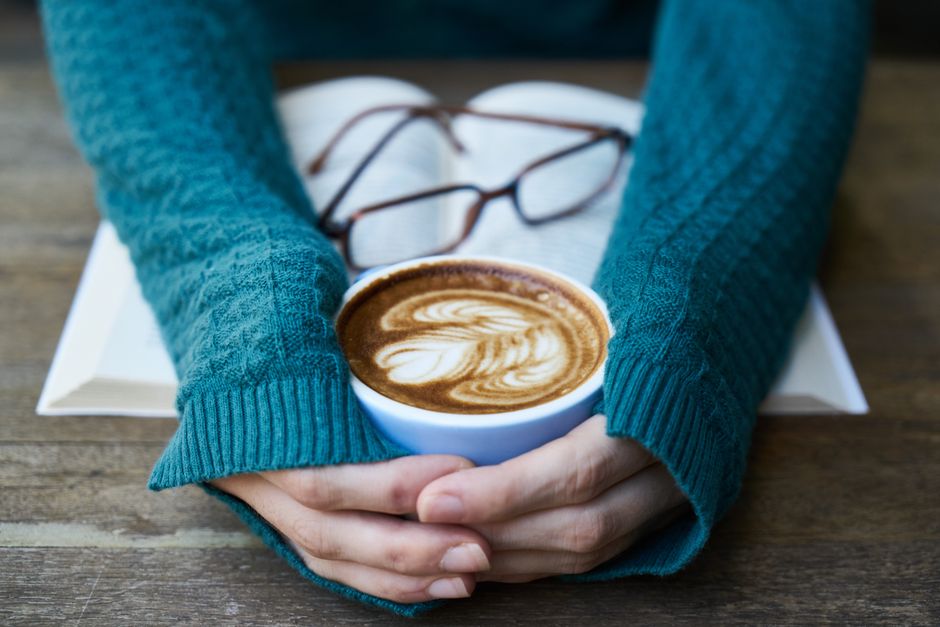
A latte is made with espresso. That is the defining fact about this popular coffee drink. A standard latte combines one or two shots of espresso with steamed milk and a thin layer of milk foam on top. The espresso provides the coffee flavor and the caffeine, while the milk makes the drink creamy and mild.
Does Latte Have Espresso?
Yes. A latte always contains espresso. This is not a variation or an option. It is the core ingredient that makes a latte a latte rather than a cup of milk.
The word “latte” comes from the Italian caffè latte, which means “milk coffee.” But in modern coffee shop terms, the name specifically refers to a drink built on espresso. If a drink does not contain espresso, it is something else, such as a steamed milk with flavoring or a brewed coffee with milk.
Understanding this matters because many people order a latte expecting a gentle coffee drink. It is gentle in taste, but it still delivers a real dose of caffeine from the espresso shots.
How Much Espresso Is in a Latte?
A typical latte contains one or two shots of espresso. A single shot is usually about 1 ounce (30 milliliters). A double shot is about 2 ounces (60 milliliters).
Most coffee shops serve lattes with a double shot as the standard. That means your standard 12-ounce latte likely contains 2 ounces of espresso and about 10 ounces of milk and foam.
The exact amount varies by coffee shop. Some shops use a single shot for smaller sizes. Others use three shots for large drinks. If you want to know exactly how much espresso is in your drink, ask the barista. They can tell you the number of shots that go into each size.
What Is the Difference Between a Latte and Other Coffee Drinks?
Lattes are frequently confused with cappuccinos, flat whites, and macchiatos. All of these drinks contain espresso. The difference is in the milk preparation and the ratio of espresso to milk.
- Latte: Espresso with a large amount of steamed milk and a thin layer of foam.
- Cappuccino: Espresso with equal parts steamed milk and milk foam. The foam layer is thick and airy.
- Flat white: Espresso with steamed milk and very little foam. The milk is velvety and thin.
- Macchiato: Espresso with only a small dollop of milk foam on top. It is mostly espresso.
A latte is the milk-forward option. It has more milk than a cappuccino and more foam than a flat white. This makes it the smoothest and least intense of the espresso-based drinks.





How Much Caffeine Is in a Latte?
The caffeine in a latte comes entirely from the espresso shots. The milk does not contain caffeine.
A single shot of espresso contains roughly 63 milligrams of caffeine. A double shot contains roughly 126 milligrams. These figures come from the U.S. Department of Agriculture food data.
For comparison, an 8-ounce cup of brewed coffee contains about 95 milligrams of caffeine. So a latte with a double shot has more caffeine than a standard cup of brewed coffee. It also has more caffeine than a single shot of espresso because it contains two shots.
The caffeine content does not change based on the size of the latte. A small latte and a large latte have the same amount of caffeine if they contain the same number of espresso shots. The larger drink just has more milk.
Can You Order a Latte Without Espresso?
Some coffee shops offer drinks that look like lattes but do not contain espresso. These are usually called “steamers” or “milk steamers.” They are made with steamed milk and flavored syrup, with no coffee at all.
You can also order a “decaf latte.” This drink contains espresso that has had most of its caffeine removed. Decaffeinated espresso still contains a small amount of caffeine, typically around 2 to 5 milligrams per shot, but it is far less than regular espresso.
If you order a latte and ask for no espresso, the barista will make you a cup of steamed milk. It will taste sweet and creamy but will not provide any coffee flavor or caffeine. Some shops may charge less for this drink, but many will not, since the labor and milk cost are the same.
What Does a Latte Taste Like?
A latte tastes primarily like milk with a mild coffee undertone. The espresso flavor is present but softened significantly by the large volume of steamed milk.
The steaming process adds sweetness to milk. Lactose, the natural sugar in milk, becomes more perceptible when milk is heated and aerated. This is why a latte tastes naturally sweet even without added sugar.
The espresso contributes bitterness and roasted notes, but these are muted. If you find regular coffee too bitter, a latte is often an easier entry point. If you want a stronger coffee taste, a cappuccino or flat white will give you more coffee presence with less milk.
Is a Latte Healthy?
A plain latte made with regular milk is a moderate-calorie drink. An average 12-ounce latte with 2% milk contains roughly 150 to 200 calories. Most of these calories come from the milk.
The health picture changes when you add flavored syrups. A vanilla or caramel latte can contain 300 to 400 calories or more, depending on the amount of syrup. Many coffee shop syrups contain 20 to 30 grams of sugar per pump, and standard drinks often include two to four pumps.
You can reduce the calorie and sugar content by choosing a smaller size, asking for fewer syrup pumps, or selecting a milk alternative. Unsweetened almond milk, oat milk, and soy milk all have different calorie and protein profiles. None of these changes affect the espresso content.
The caffeine in a latte is safe for most healthy adults at moderate intake. Up to 400 milligrams of caffeine per day is generally considered safe for healthy adults. This equals roughly three to four double-shot lattes. Pregnant individuals are often advised to limit caffeine to 200 milligrams per day, which is about one double-shot latte. You should follow the guidance of your healthcare provider regarding caffeine during pregnancy.
How to Make a Latte at Home
Making a latte at home requires an espresso maker or a device that can brew concentrated coffee. A standard drip coffee maker will not produce espresso.
You need three things: espresso, steamed milk, and milk foam. The process is straightforward:
- Brew one or two shots of espresso into a large mug.
- Steam milk until it is hot and foamy. Milk should reach about 150 to 155 degrees Fahrenheit.
- Pour the steamed milk into the mug with the espresso.
- Spoon a thin layer of foam on top.
If you do not have an espresso machine, you can use a Moka pot, which brews strong coffee that is close to espresso in concentration. Some people use instant espresso powder dissolved in hot water. These methods produce a similar but not identical result to true espresso.
An espresso machine forces hot water through finely ground coffee under high pressure. This creates a concentrated shot with a layer of crema on top. Crema is the golden-brown foam that forms on the surface of a properly pulled espresso shot. Neither a Moka pot nor instant espresso produces true crema.
Frequently Asked Questions
Does a latte have more caffeine than coffee?
A latte with a double shot has about 126 milligrams of caffeine, while an 8-ounce cup of brewed coffee has about 95 milligrams. A latte with a single shot has less caffeine than brewed coffee.
Can I get a latte without espresso?
You can order a steamed milk drink with syrup, but it will not be a true latte. A latte is defined by the presence of espresso.
Is a latte stronger than a cappuccino?
No. A cappuccino has a stronger coffee taste because it contains less milk and more foam relative to the espresso. Both drinks typically use the same amount of espresso.
Does a decaf latte have any caffeine?
Yes, but very little. Decaffeinated espresso contains roughly 2 to 5 milligrams of caffeine per shot, compared to about 63 milligrams in a regular shot.
