
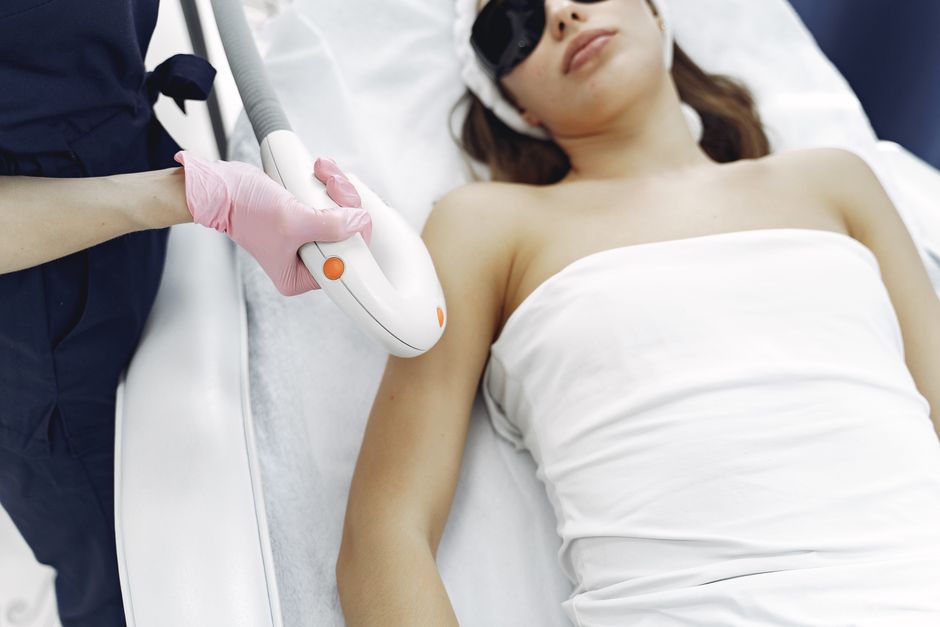
Laser hair removal does not cause scars when performed correctly by a qualified professional, and it does not treat or remove existing scars. The laser targets pigment in the hair follicle, not the scar tissue itself, so any effect on scars is usually indirect or accidental. If you have scars in an area where you want hair removed, the laser will remove the hair but leave the scar largely unchanged, though some people notice subtle changes in scar appearance over time.
How Laser Hair Removal Actually Works
Laser hair removal uses concentrated light energy that is absorbed by melanin, the pigment in your hair. The light converts to heat, which damages the hair follicle enough to slow or stop future growth. The skin around the follicle absorbs very little of this energy, which is why the procedure is considered safe for most people.
The key detail is that the laser targets pigment. Scar tissue is mostly collagen and does not contain the same pigment as hair. This means the laser does not specifically interact with scar tissue in any meaningful way. The hair growing through or near a scar will still be treated, but the scar itself is not the target.
This mechanism matters for understanding both sides of the question. Laser hair removal does not treat scars because it was not designed to. And it does not cause scars because the energy is carefully controlled and directed at hair follicles, not at the surrounding skin layers where scarring occurs.
Can Laser Hair Removal Make Scars Worse?
In most cases, no. A properly performed laser hair removal session on healthy skin will not create new scar tissue. Scarring happens when the dermis, the deeper layer of skin, is damaged. Laser hair removal is designed to spare the dermis and focus energy only on the follicle.
There are exceptions. People with darker skin tones have more melanin in their skin, not just their hair. This means the skin itself absorbs more laser energy, which increases the risk of burns, hyperpigmentation, or hypopigmentation. These are not true scars, but they can look like them and may be permanent.
Another exception involves active acne or infected hair follicles. Treating skin that is already inflamed or broken increases the risk of complications. If you have active breakouts in the treatment area, most clinicians will recommend waiting until the skin heals.
Burns from improperly calibrated lasers can cause real scarring. This is why the experience and qualifications of the person operating the laser matter more than the brand of machine being used. A skilled operator adjusts the settings based on your skin type, hair color, and the specific area being treated.
Does Laser Hair Removal Help Reduce the Appearance of Scars?
Laser hair removal is not a scar treatment. It does not remodel collagen, reduce scar thickness, or improve scar color. Those effects come from different types of lasers, such as fractional lasers or pulsed dye lasers, which are specifically designed to treat scar tissue.
Some people report that their scars look better after laser hair removal. This is likely because removing the hair makes the scar less noticeable. Hair growing through a scar can make it look uneven, darker, or more textured. Once the hair is gone, the scar may appear flatter or less prominent simply because nothing is drawing attention to it.
There is also a possibility that the heat from the laser has a minor effect on the surrounding skin. Some research suggests that controlled thermal injury can stimulate collagen remodeling, but this is not the intended purpose of laser hair removal and the effect is not consistent or predictable. No clinical evidence currently confirms that laser hair removal improves scar appearance as a reliable outcome.





What Type of Scar Do You Have?
The type of scar matters when considering laser hair removal. Hypertrophic scars and keloids are raised, thick, and sometimes itchy. These scars are more sensitive to trauma and may respond unpredictably to any laser treatment. If you have a keloid, discuss it with your clinician before scheduling laser hair removal near that area.
Atrophic scars, such as those left by acne or chickenpox, are depressed or sunken. These scars are generally not affected by laser hair removal. The laser will not fill them in or smooth them out.
Surgical scars that are still healing should not be treated with laser hair removal until they are fully mature, which can take 12 to 18 months. Treating an immature scar can interfere with the healing process and potentially make the scar worse.
If you are unsure what type of scar you have, ask a dermatologist. They can identify the scar type and advise whether laser hair removal in that area is safe.
Preparing for Laser Hair Removal With Scars Present
Before your appointment, tell the clinician about every scar in the treatment area. This includes old scars, new scars, and scars you may not think are relevant. The clinician needs this information to adjust settings and decide whether to treat over the scar at all.
Avoid sun exposure and tanning products for at least two weeks before treatment. Tanned skin absorbs more laser energy, which increases the risk of burns and pigmentation changes. This is especially important if you have scars, because damaged skin is more vulnerable to further injury.
Do not wax, pluck, or use electrolysis in the treatment area for four to six weeks before your session. These methods remove the hair root, which the laser needs to be present in order to work. Shaving is fine because it leaves the root intact.
If you are using any topical treatments on your scars, such as retinoids or chemical exfoliants, mention this to your clinician. These products can make the skin more sensitive and may need to be paused before treatment.
What to Expect After Treatment
Immediately after laser hair removal, the treated area may look and feel like a mild sunburn. Redness and slight swelling are normal and usually resolve within a few hours to a day. Applying a cool compress and moisturizer can help soothe the area.
You may notice tiny crusts or scabs in the days following treatment. These are not scars. They are the result of the hair follicle being damaged and are a normal part of the healing process. Do not pick at them, as this can lead to infection and actual scarring.
Hair shedding typically begins one to three weeks after treatment. This can look like the hair is falling out, which is normal and expected. The hair is not regrowing; it is being pushed out of the follicle.
If you notice blistering, prolonged redness, or any sign of infection, contact your clinician immediately. These are uncommon but serious complications that require prompt attention.
Alternatives for Treating Scars
If your goal is to improve the appearance of a scar, laser hair removal is not the right tool. There are established treatments that target scar tissue directly.
Silicone sheets and gels are the first-line treatment for hypertrophic scars and keloids. They are inexpensive, available over the counter, and have strong evidence supporting their use. They work by hydrating the scar and regulating collagen production.
Pressure therapy is another option for raised scars, particularly after burns or surgery. This involves wearing a compression garment over the affected area for months to flatten the scar.
Steroid injections are used by dermatologists to soften and flatten raised scars. These injections are typically repeated over several sessions and are most effective when started early.
Laser therapy for scars uses different wavelengths than laser hair removal. Fractional lasers create microscopic wounds in the scar tissue, stimulating collagen remodeling. Pulsed dye lasers target the blood vessels in red or purple scars, reducing redness and thickness. These treatments require multiple sessions and are performed by dermatologists or plastic surgeons.
Making the Decision
Laser hair removal is safe for most people, including those with scars, as long as the treatment is performed by a qualified professional and the scars are fully healed. The procedure will not treat your scars, but it will not make them worse in most cases.
The decision comes down to your priorities. If you want hair gone from an area that happens to have scars, laser hair removal can do that. If you want the scars themselves to look better, you need a different treatment.
Talk to a dermatologist before proceeding. They can assess your skin type, scar type, and medical history to determine whether laser hair removal is appropriate for you. They can also recommend the right scar treatment if that is your actual goal.
Frequently Asked Questions
Can laser hair removal cause scarring?
Laser hair removal rarely causes scarring when performed correctly by a qualified professional. Burns or pigmentation changes can occur with improper settings, especially on darker skin, and these can look like scars.
Will laser hair removal remove scars?
No, laser hair removal does not remove or treat scar tissue. It only targets hair follicles, and any change in scar appearance is usually because the hair is gone.
Is it safe to do laser hair removal over a scar?
It is generally safe once the scar is fully healed, which can take 12 to 18 months for surgical scars. Tell your clinician about all scars before treatment so they can adjust the laser settings.
What laser is best for scars?
Fractional lasers and pulsed dye lasers are used to treat scars, not laser hair removal devices. These are different machines that target collagen and blood vessels rather than hair follicles.
