
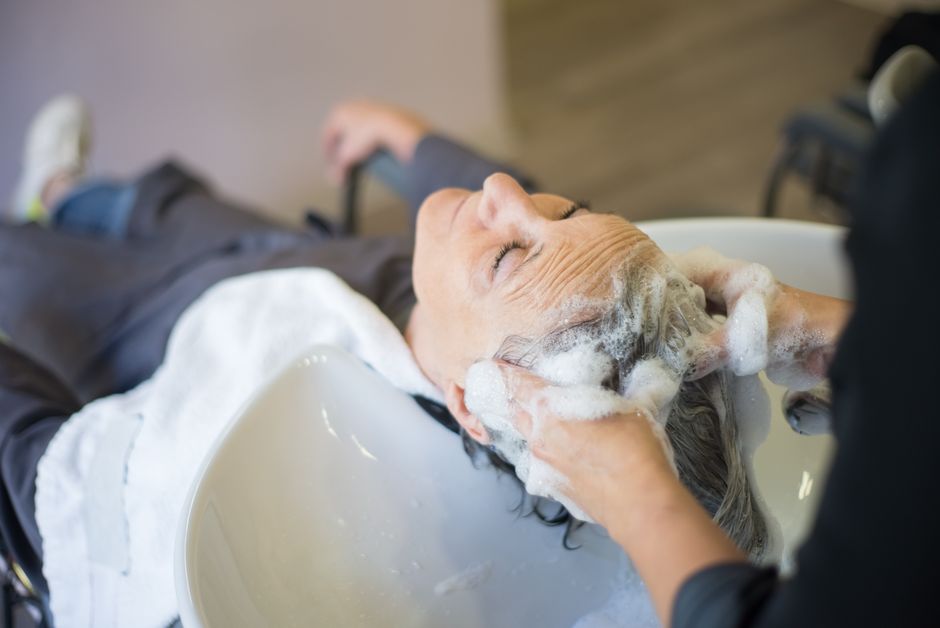
There is no evidence that Kristin Ess shampoo causes hair loss, and no published case reports or clinical studies link the brand to balding or shedding. Hair loss is very common, and people often notice it while using a new product — but noticing two things at the same time does not mean one caused the other. If you are losing more hair than usual, the cause is almost always something else.
Does Kristin Ess Shampoo Cause Hair Loss?
No. There is no clinical evidence that any Kristin Ess shampoo causes hair loss.
The brand makes a wide range of products, including clarifying, volumizing, and color-safe formulas. None of them contain ingredients that are known to destroy hair follicles or trigger permanent balding. The ingredients in these products are standard in the hair care industry — the same types of surfactants, conditioning agents, and preservatives used by dozens of other brands.
Hair follicles sit below the surface of your scalp, in a layer called the dermis. Shampoo touches the surface of your scalp and your hair strands. It does not reach the follicle in a way that would shut down hair production.
What shampoo can do is affect how your hair looks and feels. A harsh or drying formula can make strands brittle and more likely to snap. That is breakage, not hair loss from the root. It is a real problem, but it is a different one, and it is usually reversible.
Why Do People Think a Shampoo Caused Their Hair Loss?
Two things usually happen at once: a person starts using a new product, and around the same time they notice more hair in the drain. The mind connects them.
This is a well-known trap in medicine. When two events happen close together, we assume one caused the other. But correlation is not causation. The new shampoo and the shedding may be completely unrelated.
There is also a timing issue that trips people up. Many causes of hair shedding do not show up right away. A stressful event, an illness, or a major change to your body can trigger shedding that appears two to three months later. By then, you may have started a new shampoo — and it gets blamed for something that started long before you bought it.
Another factor: shampooing itself can make normal shedding visible. We lose hair every day as part of the natural growth cycle. When you wash your hair, you are rinsing out strands that were already loose. If you wash less often, more of that loose hair comes out at once — which can look alarming even though nothing is wrong.
What Actually Causes Hair Loss in Women and Men?
Hair loss has many causes, and most of them have nothing to do with what you put on your head.
The most common cause is androgenetic alopecia, also called male-pattern or female-pattern hair loss. This is driven by genetics and hormones. It tends to develop gradually and follows a predictable pattern.
Other common causes include:
- Telogen effluvium — a temporary shedding phase triggered by stress, illness, surgery, rapid weight loss, or a major life change. It usually appears a few months after the trigger.
- Thyroid problems — both an underactive and overactive thyroid can cause hair to thin.
- Iron deficiency — low iron stores are a common and often missed cause of shedding.
- Hormonal shifts — pregnancy, childbirth, menopause, and starting or stopping hormonal birth control can all affect hair.
- Medications — some drugs, including certain blood thinners, antidepressants, and acne treatments, list hair loss as a possible side effect.
- Nutritional gaps — not getting enough protein or certain vitamins over time can weaken hair.
- Scalp conditions — things like seborrheic dermatitis or fungal infections can affect the scalp and, in some cases, hair.
Notice that shampoo is not on this list. That is because it does not belong there.




Can a Shampoo Ever Cause Hair Loss?
A shampoo can cause a reaction, but that is not the same as causing hair loss from the root.
Some people develop contact dermatitis — an allergic or irritant reaction to an ingredient. This can cause itching, redness, flaking, or a rash on the scalp. If the scalp is inflamed and you scratch it repeatedly, you can damage hair and, in rare cases, pull it out. But the shampoo is causing irritation, not shutting down the follicle.
Fragrances and preservatives are the most common culprits in cosmetic reactions. If you have a known sensitivity, a fragrance-free or hypoallergenic formula may help. But for most people, standard shampoos do not trigger this kind of response.
There is one important exception worth knowing. Some products marketed as “hair growth” shampoos or treatments have been linked to reactions, and a few contain ingredients that can cause irritation. Always read labels, and be cautious with any product making strong claims.
What shampoo cannot do is cause permanent balding. If your hair is thinning in a pattern, or falling out in clumps, the cause is somewhere else.
How Can You Tell If It Is Breakage or Real Hair Loss?
This distinction matters, because the two problems have different causes and different fixes.
Breakage happens along the hair shaft. Strands snap off partway down. You may see shorter pieces of hair, split ends, or a lot of “flyaways.” The hair is still growing from the root; it is just breaking before it gets long.
Hair loss from the root means the whole strand comes out, often with a small white bulb at the end. This is normal shedding when it happens at the usual rate. It becomes a problem when you are losing more than you replace.
A simple way to check: look at the hair that comes out. If it is full-length with a white tip, it came from the root. If it is short and broken, it is breakage.
Breakage is often caused by:
- Over-processing with bleach, dye, or relaxers
- Frequent heat styling without protection
- Tight hairstyles that pull on the hair
- Harsh brushing or combing, especially on wet hair
- Dry, brittle hair from repeated washing with harsh formulas
If breakage is your issue, a gentler shampoo and better hair care habits can help. If it is true hair loss, the fix depends on the underlying cause.
When Should You See a Doctor About Hair Loss?
See a doctor if you are losing hair in patches, if your scalp is itchy, painful, or shows signs of infection, or if the loss is sudden and heavy.
Also see a doctor if the thinning is gradual but ongoing, or if you notice other symptoms like fatigue, weight changes, or unusual menstrual patterns. These can point to thyroid or hormonal issues that need treatment.
A doctor can check for common causes with blood tests — iron, thyroid, and sometimes hormone levels. They can also look at your scalp and hair pattern to help identify the type of loss.
Do not wait months hoping a new shampoo will fix it. If hair loss is ongoing, the sooner you find the cause, the more options you have.
What Should You Do If You Are Worried About Your Shampoo?
If you suspect a product is irritating your scalp, stop using it and see if the irritation clears. That is a reasonable test. But do not expect your hair to grow back just because you switched shampoos — if the loss was not caused by the shampoo, changing it will not fix it.
If you want to be gentle on your hair and scalp, these steps are supported by general hair care guidance:
- Wash with a mild, sulfate-free formula if your scalp is sensitive
- Avoid very hot water, which can strip oils and irritate the scalp
- Do not scrub your scalp aggressively with your nails
- Limit heat styling and always use a heat protectant
- Avoid tight styles that pull on the roots
- Eat enough protein and iron-rich foods
None of these will reverse genetic hair loss or correct a thyroid problem. They support healthy hair, but they are not treatments for a medical cause.
The Bottom Line
Kristin Ess shampoo does not cause hair loss. There is no evidence for it, and the way shampoo works makes it biologically implausible. If you are losing hair, the cause is almost certainly something else — and it is worth finding out what.
Hair loss is common, and it is often treatable once you know the cause. Do not let a product scare distract you from getting a real answer.
Frequently Asked Questions
Does Kristin Ess shampoo cause hair loss?
No. There is no clinical evidence that Kristin Ess shampoo causes hair loss, and shampoo does not reach the hair follicle in a way that would stop hair growth.
Why is my hair falling out after using a new shampoo?
It is most likely a coincidence, because many causes of shedding appear two to three months after the trigger and can overlap with a product change. Shampooing also rinses out hair that was already loose, which can make normal shedding look worse.
Can shampoo cause breakage instead of hair loss?
Yes. A harsh or drying shampoo can make hair brittle and more likely to snap, which is breakage rather than loss from the root. Breakage is usually reversible with gentler hair care.
When should I see a doctor about hair loss?
See a doctor if you have patchy loss, a painful or itchy scalp, sudden heavy shedding, or gradual thinning that keeps getting worse. Blood tests can check for common causes like iron deficiency and thyroid problems.
