
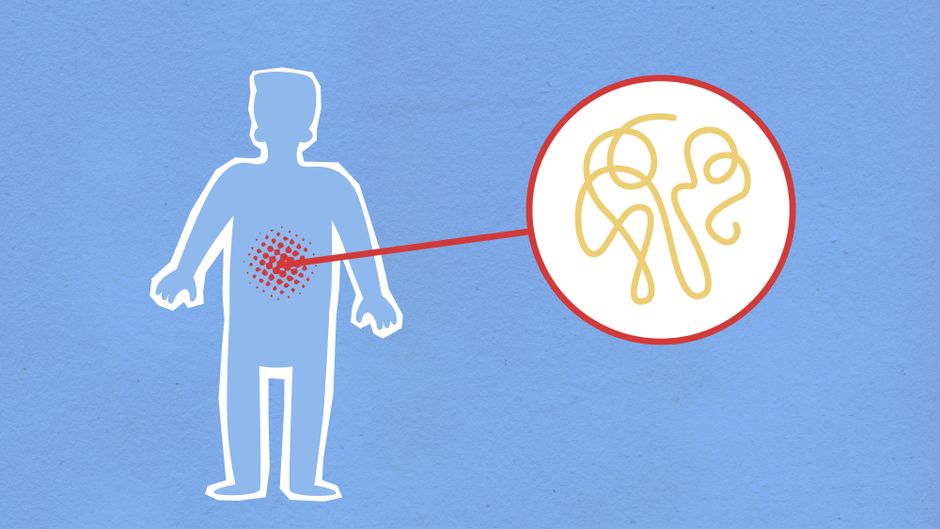
Bloating and weight gain can feel confusing and frustrating, especially when you are doing everything right. If you have kidney disease, these symptoms are not random. They are common and they are directly connected to how your kidneys are functioning. Yes, kidney disease causes bloating and weight gain, primarily through fluid retention. When the kidneys cannot filter properly, sodium and fluid build up in the body, leading to swelling and rapid weight changes that are not related to fat.
How Kidney Disease Causes Fluid Retention
Healthy kidneys filter about 120 to 150 quarts of blood every day. They remove waste and extra fluid, which leaves your body as urine. When kidney function declines, this filtering process slows down. The kidneys lose the ability to remove excess sodium and water efficiently.
This is not a minor slowdown. It is a mechanical problem. Sodium builds up in the bloodstream because the kidneys cannot excrete it. Water follows sodium. The body holds onto this extra fluid instead of releasing it. This is the core mechanism behind the bloating and weight gain you are experiencing.
You are not gaining fat. You are gaining water weight. This distinction matters because the treatment approach is completely different from standard weight loss.
Why Bloating Happens in Kidney Disease
Bloating in kidney disease typically appears as swelling in specific areas. The medical term for this is edema. You may notice it first in your ankles, feet, or legs. It can also affect your hands, face, and abdomen.
Abdominal bloating specifically occurs when fluid accumulates in the belly area. This is called ascites when the fluid collects in the peritoneal cavity, though that is more common in advanced liver disease. In kidney disease, the abdominal swelling is usually part of generalized fluid retention rather than fluid trapped in the abdominal cavity itself.
The swelling often worsens throughout the day. Gravity pulls the fluid downward. You may notice that your shoes feel tighter by evening or that your rings are harder to remove. Pressing a finger into a swollen area may leave a temporary indentation. This is called pitting edema, and it is a clear sign of fluid retention.
Weight Gain from Fluid Retention
Fluid weight adds up quickly. One liter of retained fluid weighs about 2.2 pounds. A person with moderate kidney disease can retain several liters of fluid before it becomes visibly noticeable.
This is why weight gain in kidney disease can seem sudden and dramatic. You might step on the scale and see a five or ten pound increase in a week. That is not fat gain. No one gains that much fat that quickly. It is almost certainly fluid.
Daily weighing is actually a useful tool here. Rapid weight changes over one to three days are almost always fluid shifts, not changes in body fat. If you have kidney disease and you notice this pattern, it is worth discussing with your healthcare provider.




Other Causes of Weight Gain in Kidney Disease
Fluid retention is the main cause, but it is not the only one. Kidney disease changes how your body handles food and medications.
Some blood pressure medications commonly prescribed for kidney disease, such as beta-blockers or certain calcium channel blockers, can cause fluid retention or weight gain. Corticosteroids, sometimes used for kidney conditions, can increase appetite and cause fluid retention.
Kidney disease also affects appetite regulation. Some people eat more because their energy levels drop and they reach for quick calories. Others find that their sense of taste changes, leading to different food choices. These factors can contribute to actual fat gain on top of the fluid weight.
It is also worth noting that reduced kidney function can affect how your body uses insulin. Insulin resistance is more common in people with chronic kidney disease. This can make it harder to manage weight and can contribute to fat accumulation, particularly around the abdomen.
How to Tell the Difference Between Fluid Weight and Fat Gain
Distinguishing fluid weight from fat gain is important for managing your health. The signs are actually fairly clear.
Fluid weight tends to fluctuate day to day. Fat gain is gradual and consistent. If your weight jumps up two or three pounds overnight, that is fluid. Fat cannot appear that quickly.
Fluid retention is usually accompanied by visible swelling. Check your ankles, wrists, and fingers. Press on your shin bone for a few seconds. If an indentation remains, that is fluid. Your clothes may feel tight in the waistband, but your legs and feet will show the most obvious swelling.
Fat gain, on the other hand, distributes more evenly. It does not cause pitting edema. It does not fluctuate dramatically from day to day. And it does not typically cause your shoes to become uncomfortably tight by mid-afternoon.
When Bloating and Weight Gain Are Not the Kidneys
Kidney disease is a common cause of bloating and weight gain, but it is not the only one. Other conditions produce similar symptoms, and it is important to consider them.
Heart failure causes fluid retention because the heart cannot pump blood effectively. The fluid backs up into the lungs and tissues, causing swelling and rapid weight gain. Liver disease, particularly cirrhosis, can cause fluid to accumulate in the abdomen. Thyroid disorders can cause weight changes and bloating.
Certain medications, including non-steroidal anti-inflammatory drugs (NSAIDs) and some diabetes medications, can cause fluid retention. Premenstrual changes in women can cause temporary bloating and weight fluctuation. Constipation can cause abdominal bloating that feels similar.
If you have kidney disease and you notice new or worsening bloating and weight gain, do not assume it is automatically your kidneys. Your healthcare provider should evaluate you for all possible causes. This is especially important because some of these conditions need different treatment.
What You Can Do About Fluid Retention
Management of fluid retention in kidney disease focuses on reducing sodium intake and, in some cases, using diuretic medications. These are not general recommendations. They require guidance from your healthcare provider.
Dietary sodium restriction is the foundation. The general guidance for people with kidney disease is to limit sodium to less than 2,000 milligrams per day, but your specific target may differ. Your healthcare provider or a renal dietitian can give you an exact number based on your stage of kidney disease and other health factors.
Diuretics, sometimes called water pills, help the kidneys remove excess fluid. They are commonly prescribed for this purpose. However, they must be used carefully in kidney disease. The dose needs to be precise, and your kidney function and electrolyte levels need monitoring while you take them.
You should never take over-the-counter diuretics or herbal products for fluid retention without talking to your doctor first. These products can be dangerous in kidney disease. They can cause dehydration, electrolyte imbalances, and further kidney damage.
When to Contact Your Healthcare Provider
Some symptoms require prompt medical attention. Sudden weight gain of more than two to three pounds in a day or five pounds in a week should be reported to your healthcare provider. This is a significant fluid shift.
Shortness of breath, especially when lying flat, is another warning sign. Fluid can accumulate in the lungs, a condition called pulmonary edema. This is a medical emergency. If you have difficulty breathing, seek emergency care immediately.
Swelling that becomes painful, skin that appears stretched or shiny, or swelling that does not improve with elevation are also reasons to contact your provider. These can indicate that fluid retention is worsening or that a complication is developing.
Frequently Asked Questions
Can kidney disease cause sudden weight gain?
Yes, kidney disease can cause sudden weight gain from fluid retention. The kidneys cannot remove excess sodium and water, so fluid builds up quickly, leading to rapid weight changes that are not fat.
Does kidney disease cause belly bloating?
Yes, kidney disease can cause abdominal bloating as part of generalized fluid retention. Fluid accumulates throughout the body, including the abdominal area, though it is often more noticeable in the feet, ankles, and legs.
How much weight gain is concerning with kidney disease?
Gaining two to three pounds in one day or five pounds in one week is concerning and should be reported to your healthcare provider. This level of rapid weight gain usually indicates significant fluid retention.
Will drinking more water help with kidney disease bloating?
Drinking more water does not help and can be harmful. When the kidneys cannot excrete fluid, drinking extra water adds to the buildup. Follow your healthcare provider’s guidance on fluid intake, which may be restricted.
