
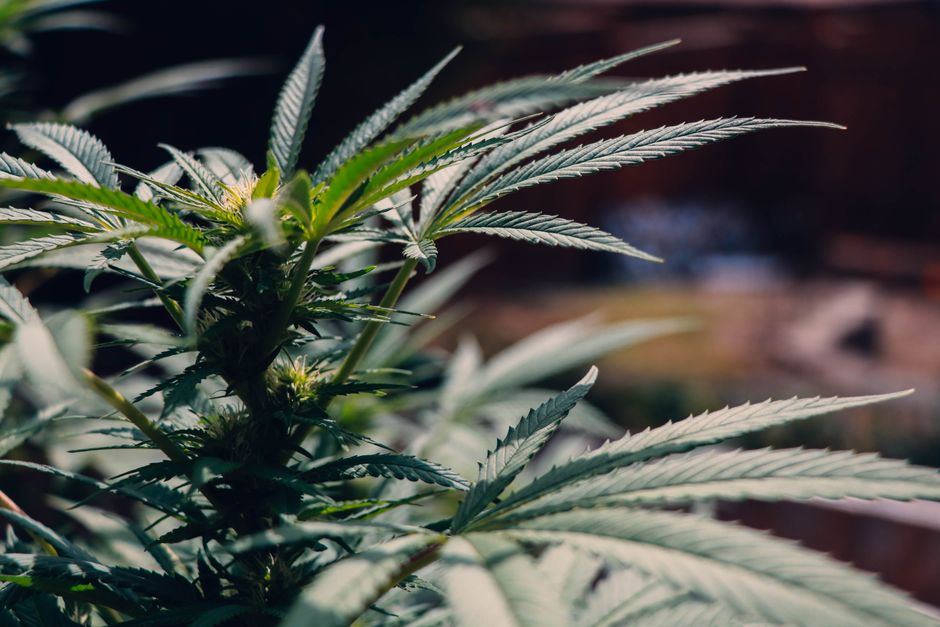
When you are trying to fall asleep, the last thing you want is to pick the wrong strain of cannabis and end up wide awake. The short answer is that indica strains are generally associated with sedation and relaxation, while sativa strains are typically linked to energizing and uplifting effects. However, the science behind why you feel sleepy is far more complex than just the plant’s name, and individual reactions can vary significantly.
Why Indica Is Known for Sleepiness
The reputation of indica for making people sleepy comes from decades of anecdotal reports. Many users describe a “couch-lock” sensation after using indica strains, where the body feels heavy and relaxed. This effect is often sought by people dealing with insomnia or chronic pain that interferes with rest.
The physical structure of the plant is part of the story. Indica plants are typically short and bushy with broad leaves, adapted to cooler climates. Sativa plants are tall and thin with narrow leaves, thriving in warmer regions. While these physical traits are reliable for identification, they do not directly determine the chemical compounds that affect your brain.
What actually matters is the chemical profile of the specific plant. Cannabis contains over 100 different cannabinoids and hundreds of terpenes, which are aromatic compounds that influence effects. The combination of these compounds, often called the “entourage effect,” determines whether a strain feels sedating or stimulating.
The Role of Terpenes in Sleep
Terpenes are the molecules that give cannabis its distinctive smell, from piney to citrusy to earthy. They are also found in many common plants and herbs. Some terpenes appear to have sedative properties on their own.
Myrcene is one of the most common terpenes in cannabis and has a musky, earthy aroma similar to cloves. It is also found in hops, lemongrass, and mango. Some research suggests myrcene has sedative and muscle-relaxing effects, which may explain why strains high in this compound are associated with sleepiness.
Linalool is another terpene with a floral, lavender-like scent. Lavender itself is widely used as a sleep aid, and some studies indicate linalool has calming and anxiety-reducing properties. Strains high in linalool may promote relaxation that supports falling asleep.
On the other side, terpenes like limonene, found in citrus peels, and pinene, found in pine needles, are often associated with alertness and focus. A strain labeled sativa that happens to be high in these terpenes might keep you awake rather than help you sleep.
THC and CBD Effects on Sleep
Beyond terpenes, the two most studied cannabinoids are THC and CBD. THC is the psychoactive compound responsible for the “high” feeling. CBD is non-intoxicating and is often used for anxiety and pain relief.
Low doses of THC may act as a mild stimulant for some people, while higher doses tend to produce sedation. This dose-dependent effect means that a small amount of a supposedly sedating strain might not make you sleepy at all. It might even make you feel more alert or anxious.
CBD does not produce a high and appears to have a more complex relationship with sleep. Some research suggests CBD may help with anxiety that interferes with sleep, but it is not a direct sedative in the way THC can be. High-CBD strains, whether labeled indica or sativa, may not make you feel drowsy but could help you relax enough to fall asleep more easily.
THC also affects sleep architecture. Studies have found that THC can reduce the time it takes to fall asleep and may increase deep sleep in the first part of the night. However, regular use can lead to tolerance, and some research indicates that THC may reduce REM sleep, the stage associated with dreaming. This can lead to vivid dreams or nightmares when you stop using it.





Why the Indica and Sativa Label Is Unreliable
The modern cannabis market has created a problem for people trying to choose strains for sleep. Decades of crossbreeding have made the original indica and sativa distinctions almost meaningless. Most strains available today are hybrids, combining genetics from both types.
A 2021 study published in the journal Addiction found that the chemical profiles of strains labeled indica and sativa were largely indistinguishable. Researchers analyzed thousands of samples and found no consistent chemical difference between the two categories based on their names alone.
What this means for you is that choosing a strain based solely on the indica or sativa label is not a reliable way to predict whether it will make you sleepy. The specific chemical profile of the batch you purchase matters more than the name on the package.
This is why many dispensaries now categorize products by their dominant terpenes or expected effects rather than just the traditional indica and sativa labels. Some states require lab testing that reveals the cannabinoid and terpene content, which can help you make a more informed choice.
How to Choose a Strain for Sleep
If you are looking for a strain to help you sleep, the indica versus sativa question is the wrong place to start. Instead, focus on the chemical profile and how a specific product affects you personally.
Look for strains known to have high levels of myrcene and linalool. These terpenes are associated with relaxation and sedation. Ask your dispensary for lab test results that show terpene content, and try to avoid strains high in limonene or pinene if you find these make you feel alert.
Start with a low dose, especially if you are new to cannabis or have not used it recently. The sedative effects of THC are more pronounced at higher doses, but higher doses also increase the risk of anxiety and paranoia, which can make sleep worse. A small dose is easier to manage and can be adjusted based on how you respond.
Consider the timing of your use. Inhaled cannabis takes effect within minutes but wears off within a few hours. Edibles take longer to kick in, often 30 to 60 minutes or more, but the effects last much longer. If you have trouble staying asleep, an edible might be more helpful than a vape or flower.
Potential Risks and Side Effects
Cannabis is not a risk-free sleep aid. Regular use can lead to dependence, and some people develop cannabis use disorder. Withdrawal from daily use can cause insomnia, which creates a cycle where you feel you need cannabis to sleep but struggle when you stop.
There is also evidence that long-term cannabis use can affect memory, attention, and motivation. These cognitive effects are more concerning for people who use cannabis during the day, but they are worth considering if you use it nightly for sleep.
Smoking or vaping cannabis carries respiratory risks similar to smoking tobacco. If you use cannabis for sleep, consider methods that do not involve inhaling smoke, such as edibles, tinctures, or capsules. These avoid lung irritation but have different onset times and durations of effect.
Cannabis can interact with other medications, particularly sedatives and antidepressants. If you take prescription medications, talk to your doctor or pharmacist before using cannabis for sleep. This is especially important for older adults, who may be more sensitive to the effects and more likely to take interacting medications.
What the Research Says About Cannabis for Insomnia
Clinical evidence for cannabis as a treatment for insomnia is limited. While many people report that it helps them fall asleep, large controlled studies are lacking. Most of the evidence comes from surveys and small trials, not the rigorous research needed to establish a treatment as effective and safe.
Some studies suggest that cannabis may help with short-term sleep problems, particularly those related to pain or anxiety. However, the evidence for long-term use is less clear. Some research indicates that regular cannabis users actually have more sleep problems, not fewer, which may be related to tolerance and withdrawal.
The American Academy of Sleep Medicine does not currently recommend cannabis for the treatment of insomnia due to insufficient evidence. This does not mean it never helps, but it means the medical community does not have enough data to support it as a first-line treatment.
If you are considering cannabis for chronic insomnia, it is worth exploring other options first. Cognitive behavioral therapy for insomnia, or CBT-I, has strong evidence supporting its effectiveness and is considered the first-line treatment by most sleep specialists. This therapy addresses the thoughts and behaviors that interfere with sleep without the risks associated with medication or cannabis.
Frequently Asked Questions
Does indica always make you sleepy?
No, indica does not always make you sleepy because the label does not reliably predict chemical effects. The specific mix of cannabinoids and terpenes in the product you use matters more than the plant type.
Can sativa help you sleep?
Some people find certain sativa strains helpful for sleep, especially if the strain is high in sedating terpenes or if the person has anxiety that keeps them awake. However, sativa strains are more often associated with alertness and may make sleep harder for many people.
Is it better to use THC or CBD for sleep?
Both have potential benefits, but they work differently. THC can produce drowsiness at higher doses but carries risks of tolerance and dependence, while CBD may help with anxiety-related sleep problems without causing a high.
How long before bed should I take cannabis for sleep?
If you are inhaling cannabis, effects begin within minutes, so you can use it shortly before bed. If you are taking edibles, allow at least one to two hours for effects to appear, and start with a low dose.
