
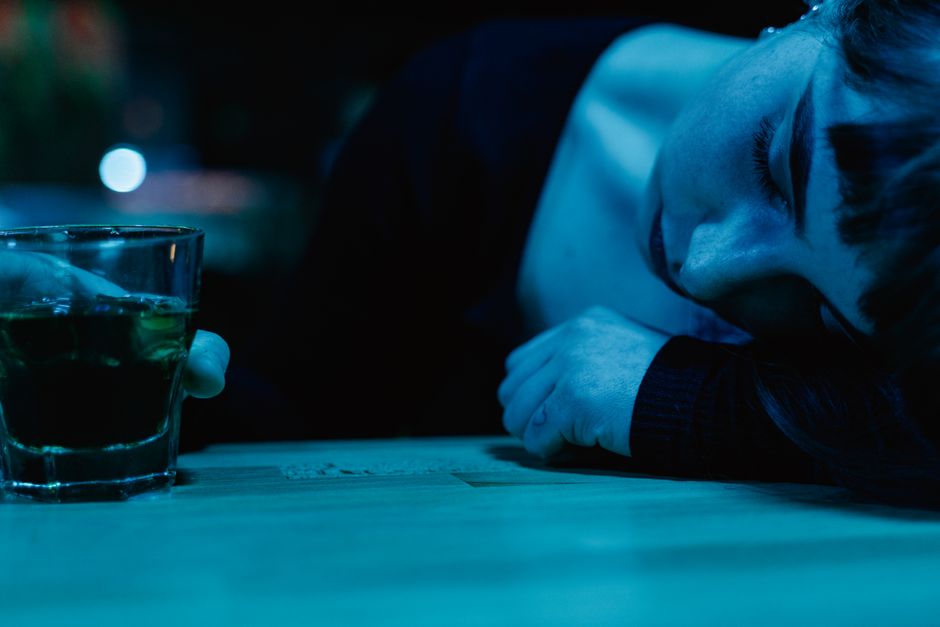
You have had a long day. You pour a glass of wine or open a beer hoping to unwind and fall asleep faster. It works at first. You feel relaxed and drowsy. But a few hours later you are wide awake staring at the ceiling. This is the reality of alcohol and sleep. Yes alcohol can make you feel sleepy initially. But the sleep it gives you is not restful. Research shows that alcohol disrupts your sleep architecture in ways that leave you more tired the next day.
Does Alcohol Make You Sleepy at First?
Yes alcohol acts as a central nervous system depressant. This means it slows down brain activity. For many people this creates a sedative effect. You feel relaxed and drowsy. This is why a drink before bed is sometimes called a nightcap.
The feeling happens quickly. Alcohol is absorbed into your bloodstream through your stomach and small intestine. Within 30 minutes you may feel the sedative effects. Blood alcohol concentration peaks about 30 to 90 minutes after your last drink.
But this initial drowsiness is misleading. The sleep that follows is not high quality. Your body is not entering deep restorative sleep the way it would naturally. You are essentially sedated. Sedation is not the same as healthy sleep.
How Does Alcohol Affect Sleep Quality?
Sleep is not one long continuous state. It cycles through stages. The main stages are light sleep deep sleep and rapid eye movement (REM) sleep. REM sleep is when most dreaming happens. It is critical for memory and emotional regulation.
Alcohol disrupts this cycle in two main ways.
First it increases deep sleep during the first half of the night. This sounds good but it comes at a cost. Your body spends less time in REM sleep early on. The balance is thrown off.
Second as your body metabolizes the alcohol your sleep becomes lighter and more broken in the second half of the night. You may wake up more often. You may have vivid or disturbing dreams. Your sleep becomes fragmented.
The National Sleep Foundation states that alcohol before bed suppresses REM sleep during the first two cycles. This suppression leads to a REM rebound later in the night. This means more intense dreams and more awakenings.
The result is that you spend less total time in the restorative stages of sleep. You wake up feeling unrefreshed even if you slept for eight hours.
What Does Research on Alcohol and Sleep Show?
A large body of research backs up these findings. A 2018 study published in JMIR Mental Health tracked sleep and alcohol use in over 4000 participants. The study found that alcohol consumed within four hours of bedtime significantly reduced sleep quality. The effect was stronger in women than in men.
A 2020 review in the journal Alcohol looked at 27 studies on alcohol and sleep. The researchers concluded that alcohol reduces the time it takes to fall asleep. But it also reduces REM sleep and increases sleep disruption in the second half of the night.
The CDC reports that about 1 in 3 adults does not get enough sleep. Alcohol use is one of the common factors that interferes with healthy sleep.
Here is a simple comparison of how alcohol affects sleep versus natural sleep:
| Sleep Factor | Natural Sleep | Sleep After Alcohol |
|---|---|---|
| Time to fall asleep | 15-20 minutes | Faster initially |
| REM sleep amount | 20-25% of night | Reduced especially early |
| Deep sleep in first half | Normal amount | Increased |
| Night awakenings | Few | More frequent |
| Feeling rested in morning | Yes | Often no |
The evidence is clear. Alcohol may help you fall asleep faster but it makes the sleep you get less restorative.


Does Alcohol Make U Sleepy or Just Sedated?
This is an important distinction. Sedation and sleep are not the same thing.
Sedation is a state of reduced consciousness. Your brain activity slows down. You lose awareness. But you are not cycling through the natural stages of sleep.
Real sleep is an active process. Your brain is busy consolidating memories clearing waste products and regulating hormones. Alcohol interferes with these processes.
Think of it this way. Sedation is like turning off a computer by pulling the plug. Sleep is like running a proper shutdown sequence that saves files and updates software. Both leave the computer off. But one is much better for the machine.
Your body needs the full sleep cycle to function well. When you rely on alcohol to fall asleep you are skipping the maintenance work your brain needs to do.
How Long Before Bed Should You Stop Drinking?
The general recommendation is to stop drinking alcohol at least three to four hours before bedtime.
This gives your body time to metabolize some of the alcohol before you try to sleep. The liver processes about one standard drink per hour. A standard drink is 12 ounces of beer 5 ounces of wine or 1.5 ounces of distilled spirits.
If you have two glasses of wine with dinner you need about two hours just to process the alcohol. The sedative effects may last longer. The disruptive effects on sleep can last even longer.
Some people report that even one drink within two hours of bed disrupts their sleep. Others may be less sensitive. But the research is consistent. The closer alcohol is to bedtime the more it affects sleep quality.
If you do drink try to finish your last drink by early evening. This gives your body a window to process the alcohol before sleep begins.
What Are the Side Effects of Using Alcohol as a Sleep Aid?
Relying on alcohol to fall asleep can lead to several problems.
Dependence. Your body can build tolerance. You may need more alcohol over time to feel the same sedative effect. This can lead to increased drinking and potential alcohol use disorder.
Worsened insomnia. Alcohol can actually cause or worsen insomnia over time. The disrupted sleep in the second half of the night can create a cycle of poor sleep and more drinking.
Sleep apnea. Alcohol relaxes the muscles in your throat. This can worsen sleep apnea a condition where breathing stops and starts during sleep. The American Academy of Sleep Medicine notes that alcohol can increase the frequency and severity of apnea episodes.
Dehydration. Alcohol is a diuretic. It makes you urinate more. This can lead to waking up during the night to use the bathroom. Dehydration also contributes to morning headaches and fatigue.
Mood effects. Poor sleep from alcohol can affect your mood the next day. You may feel irritable anxious or depressed. This is partly due to the disruption of REM sleep which helps regulate emotions.
Here are some common signs that alcohol is hurting your sleep:
- You wake up feeling tired after a full night of sleep
- You wake up multiple times during the night
- You have vivid or strange dreams
- You wake up with a dry mouth or headache
- You feel you cannot fall asleep without a drink
If any of these sound familiar it may be worth looking at your drinking habits.
What Actually Helps You Fall Asleep Without Alcohol?
There are effective alternatives that do not disrupt your sleep.
Create a consistent bedtime routine. Go to bed and wake up at the same time every day even on weekends. This helps set your body’s internal clock.
Reduce screen time before bed. Blue light from phones tablets and computers can suppress melatonin the hormone that helps you sleep. Try putting devices away an hour before bed.
Try relaxation techniques. Deep breathing progressive muscle relaxation or a gentle yoga stretch can help calm your nervous system. These methods do not have the side effects of alcohol.
Watch what you eat and drink. Avoid large meals caffeine and nicotine close to bedtime. A light snack like a banana or a small bowl of oatmeal can be helpful for some people.
Get morning sunlight. Exposure to natural light early in the day helps regulate your circadian rhythm. This makes it easier to fall asleep at night.
Consider magnesium. Some studies suggest that magnesium supplements may help with sleep. The evidence is still emerging. Talk to your doctor before starting any supplement.
If you have tried these approaches and still struggle with sleep talk to a healthcare provider. Insomnia can be a sign of an underlying condition. A doctor can help you find the right treatment.
Common Misconceptions About Alcohol and Sleep
There are several myths about alcohol and sleep that are worth clearing up.
Myth: A nightcap helps you sleep through the night. This is widely claimed but strong evidence is limited. The initial sedative effect may help you fall asleep but the rebound effect wakes you up later.
Myth: Red wine has melatonin so it helps sleep. Red wine does contain small amounts of melatonin. But the amount is negligible compared to the alcohol content. The alcohol’s disruptive effects far outweigh any benefit from the melatonin.
Myth: Beer before bed is fine because it is low alcohol. Even low-alcohol beer can affect sleep quality. The amount of alcohol matters less than the timing. Any alcohol close to bedtime can disrupt your sleep cycle.
Myth: You can catch up on REM sleep the next night. Your body does try to recover lost REM sleep. But chronic disruption of REM sleep can have long-term effects on memory mood and cognitive function. It is better to avoid the disruption in the first place.
Frequently Asked Questions
Does one drink before bed affect sleep quality?
Yes even one drink can reduce REM sleep and increase night awakenings. The effect is smaller than with multiple drinks but it is still measurable.
How long before bed should I stop drinking alcohol?
Stop drinking at least three to four hours before bedtime. This gives your body time to process the alcohol before sleep begins.
Can alcohol help with insomnia in the long term?
No alcohol makes insomnia worse over time. It disrupts sleep architecture and can lead to dependence. It is not a safe or effective long-term treatment.
Does the type of alcohol matter for sleep disruption?
All types of alcohol disrupt sleep. The amount of alcohol matters more than the type. Wine beer and spirits all have similar effects on sleep quality.
