
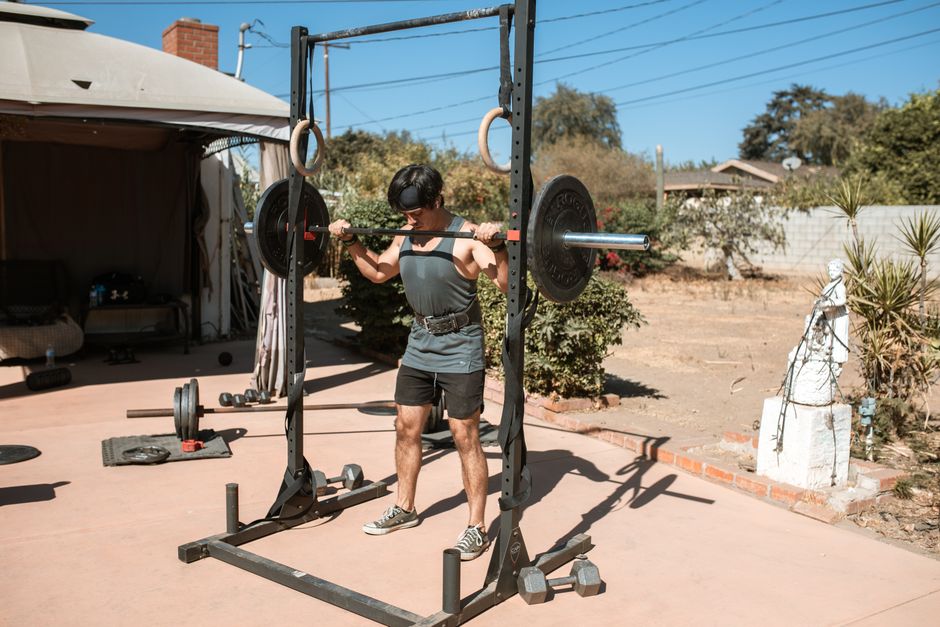
When people start lifting weights, they often hear two separate promises. One is that muscle growth, or hypertrophy, will change how your body looks. The other is that cardio is the only real way to burn fat. The science on how these two processes connect is more interesting than either of those simple stories. Building muscle does change your daily energy use, but the effect is smaller than many fitness marketers suggest. The honest answer is that hypertrophy training burns some calories directly, and it raises your resting metabolism modestly, but its biggest role in fat loss comes from how it changes your body composition over months and years.
What Is Hypertrophy and What Does It Actually Do?
Hypertrophy is the process of muscle cells increasing in size. When you lift weights with enough tension and volume, your body adapts by adding protein to muscle fibers. This is a slow process. Visible changes typically take eight to twelve weeks of consistent training.
This growth requires energy. Every workout burns calories. Every repair process after the workout burns calories. But the total amount is not enormous. A typical resistance training session might burn 150 to 300 calories depending on your size, the exercises, and how hard you push. That is meaningful, but it is not the main story.
The more lasting effect comes from what happens between workouts. Muscle tissue is metabolically active. It requires energy just to exist. This is called resting metabolic rate. More muscle means a slightly higher resting metabolic rate. The question is how much higher.
Does Building Muscle Speed Up Your Metabolism?
Yes, but not as much as many claims suggest. Research consistently shows that each pound of muscle raises resting metabolic rate by roughly 6 to 10 calories per day. Some sources claim much higher numbers, but the evidence does not support those figures.
Consider what this means in practice. If you gain five pounds of muscle over a year, your resting metabolism might increase by 30 to 50 calories per day. That is roughly the energy in half an apple. It is real, but it will not create a large calorie deficit on its own.
This is where the marketing noise gets loud. Some supplement companies and fitness influencers claim that adding muscle allows you to eat whatever you want. That is not supported by the science. The metabolic advantage of muscle is modest. It helps, but it is not a license to ignore your diet.
How Many Calories Does a Hypertrophy Workout Burn?
The direct calorie burn during strength training varies widely. A 155-pound person doing vigorous resistance training for 30 minutes might burn around 110 to 130 calories. A larger person burns more. A heavier lifting session with short rest periods burns more than a light session with long rests.
There is also something called excess post-exercise oxygen consumption, or EPOC. After intense lifting, your body continues to burn extra calories while it restores oxygen levels, clears lactate, and repairs muscle tissue. This effect is real but modest. It typically adds 5 to 15 percent on top of the workout calories. That means an extra 10 to 20 calories after a hard session.
Compare this to steady-state cardio. Thirty minutes of running at a moderate pace burns roughly 250 to 350 calories for the same person. The direct calorie burn is higher for cardio. But cardio does not build muscle, and it does not raise resting metabolism the way resistance training does.
The smart comparison is not which burns more in a single session. The smart comparison is what each does over a year. Cardio burns more calories today. Resistance training changes your body composition so that you burn slightly more calories every day, forever, as long as you keep the muscle.





What Does the Research Say About Hypertrophy and Fat Loss?
Several well-designed studies have compared resistance training to aerobic training for fat loss. The findings are consistent. Both reduce body fat. But they do it through different pathways.
Aerobic training creates a larger immediate calorie deficit. Resistance training preserves or increases lean mass. This matters because any calorie deficit can cause muscle loss along with fat loss. When people lose weight through diet and cardio alone, about 20 to 30 percent of the weight lost can come from muscle. Resistance training significantly reduces that muscle loss.
Some research suggests that combining resistance training with a calorie-controlled diet is the most reliable way to lose fat while keeping muscle. This is why bodybuilders and athletes use this approach. It is not about burning more calories during the workout. It is about protecting the muscle you already have while the diet creates the deficit.
There is also evidence that resistance training improves insulin sensitivity. This means your body handles carbohydrates more effectively. Over time, this can influence where your body stores fat and how easily it accesses stored fat for energy. The effect is meaningful but indirect.
Why Body Composition Matters More Than the Scale
Two people can weigh exactly the same and look completely different. One might have 30 percent body fat. The other might have 15 percent. The scale cannot tell you which one you are.
Hypertrophy training shifts your body composition. It adds lean mass and, when combined with a calorie deficit, it helps ensure the weight you lose is mostly fat. This is why two people on the same diet can have very different results. The person lifting weights loses fat and keeps muscle. The person only dieting loses both.
There is a visual component too. Muscle is denser than fat. A pound of muscle takes up less space than a pound of fat. This means you can lose inches without losing pounds. Many people experience this during their first months of training. The scale barely moves, but clothes fit differently.
This is not a reason to ignore the scale entirely. It is a reason to track multiple measures. Waist circumference, how clothes fit, and progress photos all tell a fuller story.
How Should You Train to Maximize Fat Loss?
If your goal is fat loss, the evidence points to a few clear principles. First, lift heavy enough to challenge your muscles. Light weights with high repetitions build endurance more than size. For hypertrophy, most research supports working in the 6 to 12 repetition range with sets taken close to failure.
Second, include compound movements. Squats, deadlifts, presses, and rows recruit more muscle mass than isolation exercises. More muscle mass recruited means more energy used and a stronger hormonal response.
Third, keep rest periods moderate. Resting 60 to 90 seconds between sets keeps your heart rate elevated and increases the total calorie cost of the session. This is not the same as cardio, but it does add up.
Fourth, be consistent. Hypertrophy is slow. Most people do not see meaningful muscle gain before three months of consistent training. Do not judge the approach by a two-week trial.
Finally, remember that diet controls the deficit. No amount of lifting will outwork a poor diet. For fat loss, the research is clear that nutrition is the primary driver. Resistance training shapes what the weight loss looks like. It does not replace the need for a calorie deficit.
Does Hypertrophy Burn Fat What The Science Says
The science says hypertrophy burns fat, but not the way most people think. It does not melt fat directly. It creates conditions where fat loss is more likely and more sustainable.
Resistance training burns calories during the workout. It raises resting metabolism by a small but real amount. It preserves muscle during a diet, which keeps your metabolism from dropping as much as it would with dieting alone. It improves insulin sensitivity. And it changes how your body looks at any given weight.
None of these effects are dramatic on their own. Combined, they are powerful. This is why resistance training is consistently recommended for anyone trying to lose weight, even though cardio burns more calories in the moment.
The honest bottom line is this. If you want to lose fat, you need a calorie deficit. That comes from food. If you want to make sure the weight you lose is fat and not muscle, lift weights. If you want to keep the weight off long term, preserve your muscle mass. Hypertrophy training is not a shortcut. It is a long-term strategy that changes your body’s daily energy needs in ways that compound over years.
Frequently Asked Questions
Can you build muscle and lose fat at the same time?
Yes, but only under specific conditions. Beginners and people with higher body fat levels can often build muscle while in a modest calorie deficit. Advanced lifters typically need to focus on one goal at a time.
How much muscle do you need to gain to burn more fat?
Each pound of muscle raises resting metabolism by roughly 6 to 10 calories per day. Gaining five pounds of muscle adds about 30 to 50 daily calories to your resting burn, which is real but modest.
Is cardio or weight training better for belly fat?
Spot reduction is a myth. You cannot target belly fat specifically. Both cardio and weight training reduce overall body fat, and weight training helps preserve muscle so the fat loss looks better.
How long does it take to see fat loss from lifting weights?
Most people see measurable changes in body composition after eight to twelve weeks of consistent training combined with a calorie deficit. Visible muscle growth takes about three months for beginners.
