
Hydrogen peroxide can kill fungi on contact in a laboratory dish. That much is well established. Whether it can cure a fungal nail infection inside a living human toenail is a different question, and the honest answer is that no good clinical evidence shows it can. Hydrogen peroxide is a disinfectant, not a proven treatment for onychomycosis, the medical term for fungal nail infection. People try it because it is cheap and available. The biology of the nail works against it.
What Is Nail Fungus and Why Is It So Hard to Treat?
Fungal nail infection usually involves dermatophyte molds, though yeasts and other fungi can also be responsible. The infection typically starts at the edge of the nail or under the tip, where fungi feed on keratin, the protein that makes up the nail plate. Over time it can spread toward the cuticle.
The signs are familiar. The nail turns yellow, brown, or white. It thickens. It may crumble at the edges or lift away from the nail bed. Sometimes it smells. Often it is not painful, which is one reason people delay treatment.
Here is the part that matters for this topic. The nail plate is dense, tightly packed keratin. It is not very permeable. A liquid applied to the surface of the nail does not easily travel through it to reach the fungus living in the nail bed underneath. This is a physical barrier problem, and it is the main reason topical treatments for nail fungus have historically struggled.
That barrier is also why oral antifungal medications are often used for moderate to severe cases. They reach the infection through the bloodstream rather than through the nail surface. Even then, treatment takes months, because the nail grows slowly and the drug has to be present until healthy nail has replaced the infected portion.
Does Hydrogen Peroxide Actually Kill Fungus?
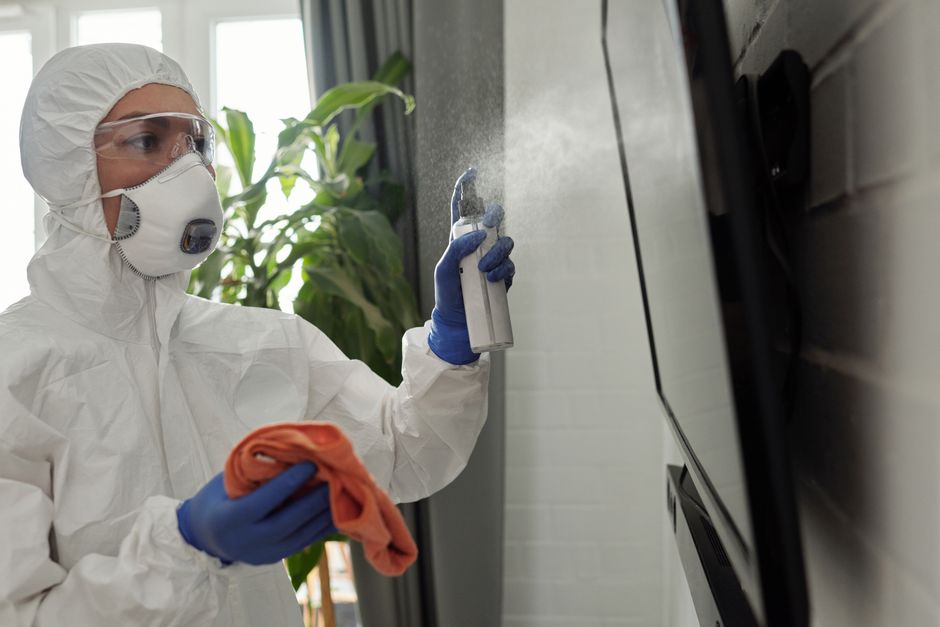
Yes, in direct contact. Hydrogen peroxide is an oxidizing agent. It damages proteins, cell membranes, and DNA in microorganisms, and fungi are not exempt from that damage. In laboratory testing, hydrogen peroxide solutions do kill fungal cells.
The gap between that and a cure is where most home remedies fall apart. Killing fungi in a dish is not the same as killing them inside a nail. For hydrogen peroxide to work, it would need to reach the fungus in a high enough concentration and stay there long enough to matter. A household bottle is typically a 3 percent solution, and it breaks down quickly on contact into water and oxygen.
No clinical trials have shown that soaking or swabbing a nail with hydrogen peroxide clears onychomycosis. That is the honest state of the evidence. The mechanism is plausible. The clinical result has not been demonstrated.
Does Hydrogen Peroxide Kill Nail Fungus When You Apply It at Home?
There is no reliable evidence that it does. This is the core answer to the question in the title, and it is worth stating plainly rather than softening.
People report improvement for a few reasons that have nothing to do with curing the infection. Hydrogen peroxide can lighten the surface of a stained nail, so the nail looks cleaner for a while. It can also dry out the skin around the nail. Neither of those changes means the fungus is gone.
Fungal nail infections can also look better and worse on their own. A nail that seems to improve after a home remedy may simply be following its natural ups and downs, or the visible part may have grown out while the infection continues underneath.
One more point that gets lost. Nail fungus is often confused with other conditions that look similar, including psoriasis of the nail, lichen planus, trauma from tight shoes, and a type of eczema. These do not respond to antifungals at all because they are not infections. Treating them with hydrogen peroxide or any antifungal does nothing for the underlying cause.



What Are the Risks of Using Hydrogen Peroxide on Your Nails?
Hydrogen peroxide is not harmless just because it is sold in drugstores. Concentration matters, and so does how long you leave it on.
- Skin irritation and burning. The skin around the nail is thinner and more sensitive than the nail itself. Repeated exposure can cause redness, stinging, and peeling.
- Slowed healing. Hydrogen peroxide can damage healthy tissue and interfere with the normal repair process when applied to broken skin.
- Nail bed damage. The tissue under the nail is delicate. Strong or prolonged exposure can irritate it.
- Delayed real treatment. This is the risk that matters most. Months spent on a home remedy that does not work is months the infection has to spread and thicken the nail.
Higher concentrations sold for industrial or cleaning use are more dangerous and should never be applied to skin or nails. There is no established safe concentration or soaking schedule for treating nail fungus with hydrogen peroxide, because the treatment itself has not been validated. No clinical guidelines currently support this use at any dose.
What Actually Treats Nail Fungus?
Treatment depends on how much of the nail is involved, how many nails are affected, and your overall health. A doctor or podiatrist can confirm the diagnosis, sometimes by testing a nail clipping, because several conditions mimic fungal infection.
For mild cases, topical antifungal medications are often tried. These are prescription products designed to penetrate the nail, unlike household disinfectants. Results vary, and topical treatment works better for early, limited infection than for a nail that is heavily involved.
For moderate to severe infection, oral antifungal drugs are commonly prescribed. They travel through the bloodstream to the nail bed. They also carry real risks, including effects on the liver, and they can interact with other medications. This is why they are used under medical supervision with monitoring in some cases.
In some situations, a doctor may remove part or all of the infected nail. This is not a first-line approach for everyone, but it can help when the nail is very thick or painful.
Whatever the approach, expect it to take time. A toenail grows slowly, and the infected portion has to be replaced by healthy nail before the infection looks resolved. This is measured in months, not weeks, and it is true of every effective treatment.
How to Lower Your Risk of Nail Fungus
Fungi thrive in warm, damp environments, and that shapes most prevention advice.
- Keep your feet dry, and dry them well between the toes after bathing.
- Wear shoes that fit and let your feet breathe. Tight shoes that press on the toes can damage nails and make them easier for fungi to invade.
- Wear shower shoes in locker rooms, gym showers, and pool areas.
- Trim nails straight across and keep them clean.
- Do not share nail clippers, socks, or shoes with someone who has an infection.
- If you have diabetes, poor circulation, or a weakened immune system, get nail changes checked. Infections can be more serious in these groups.
None of these steps guarantees you will avoid nail fungus. They reduce the odds and they are worth doing, especially if you have had an infection before.
The Bottom Line on Hydrogen Peroxide
Hydrogen peroxide kills fungi on contact, but there is no clinical evidence it cures fungal nail infections in people. The nail’s structure blocks it from reaching the fungus, and it breaks down too quickly to do lasting work. Using it risks skin irritation and, more importantly, delays treatment that might actually help.
If a nail is changing color, thickening, or separating from the nail bed, the useful next step is a proper diagnosis, not a bathroom cabinet experiment. Several conditions look like nail fungus and are treated differently. Confirming what you are dealing with is the part that makes everything else work.
Frequently Asked Questions
Does hydrogen peroxide kill nail fungus?
It kills fungi on direct contact in laboratory conditions, but no clinical evidence shows it cures nail fungus in people. The nail plate blocks it from reaching the fungus underneath.
Can I soak my toenail in hydrogen peroxide to treat fungus?
Soaking has not been shown to clear a fungal nail infection, and no clinical guidelines support it. Repeated soaking can irritate the skin around the nail and delay effective treatment.
How long does it take to cure nail fungus?
Effective treatment usually takes months, because the infected nail has to grow out and be replaced by healthy nail. Toenails grow slowly, so results are measured in months rather than weeks.
What looks like nail fungus but is not?
Psoriasis, lichen planus, nail trauma from tight shoes, and some forms of eczema can all mimic a fungal infection. A doctor can tell them apart, since these conditions do not respond to antifungal treatment.
