
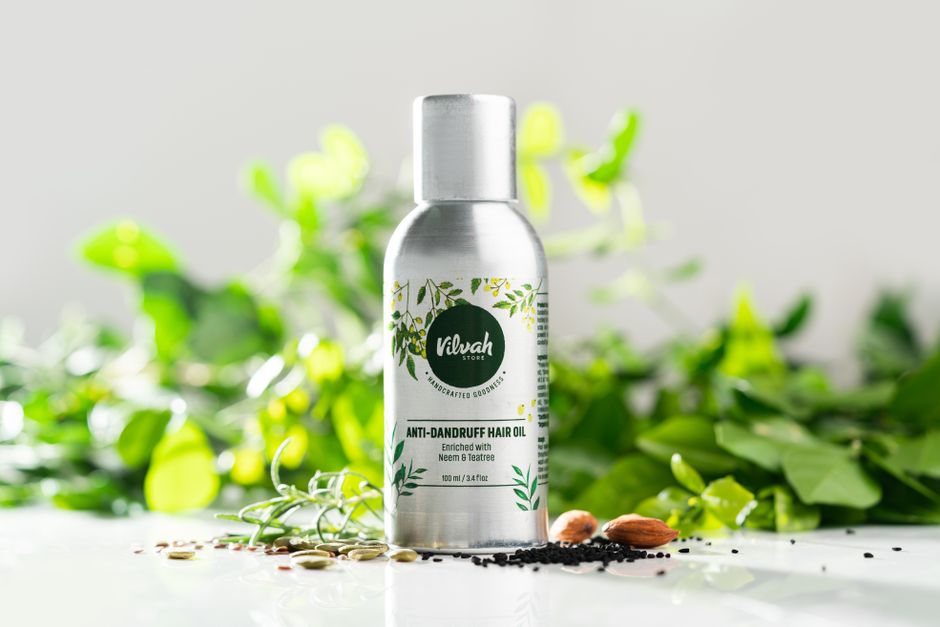
Neem oil can kill fungus gnats, but only in specific ways and only if you use it correctly. It works best against the larvae living in your potting soil, not the adult flies buzzing around your plants. The adults are the ones you see, but the larvae are the ones causing damage to your plant’s roots.
Understanding how neem oil actually works against these pests will save you time, money, and frustration. It is not an instant fix, and it will not solve an infestation on its own if you skip the other steps that matter.
What Are Fungus Gnats and Why Do They Appear?
Fungus gnats are small, dark flies that look a lot like tiny mosquitoes. They are usually about 1/16 to 1/8 inch long, with delicate legs and clear wings. You will often see them walking on the soil surface or flying weakly around your plants, especially near windows.
The adults themselves do not bite people or pets. They do not suck sap from your plants. The real problem is their larvae. Female gnats lay eggs in moist soil, and those eggs hatch into tiny, clear larvae with shiny black heads. These larvae feed on fungi, algae, and decaying organic matter in the soil. In large numbers, they can also chew on plant roots and root hairs.
Fungus gnats thrive in consistently wet conditions. Overwatering is the single most common reason they show up indoors. Potting mixes that stay soggy, poor drainage, and containers without drainage holes all create the perfect environment. They are also common in greenhouses and in plants brought home from a store where soil has stayed damp.
The life cycle matters here. A female can lay around 100 to 200 eggs in her short life. Eggs hatch in about 4 to 6 days. Larvae feed for roughly two weeks before pupating, and adults emerge a few days later. That means a population can build quickly if conditions stay favorable.
How Does Neem Oil Work Against Insects?
Neem oil comes from the seeds of the neem tree, Azadirachta indica. The main active compound is azadirachtin. This compound does not kill insects instantly the way some synthetic insecticides do. Instead, it interferes with their hormones and feeding behavior.
When an insect ingests or contacts azadirachtin, it can disrupt the molting process. The insect may fail to shed its skin properly and die. It can also reduce feeding and interfere with reproduction. These effects take time, often days rather than hours.
Neem oil also has physical properties. When sprayed, it coats insects and can block their breathing openings, called spiracles. It can smother soft-bodied pests. This physical action works faster than the hormonal one, but it only affects insects that are directly coated.
One important point: neem oil is not a quick knockdown insecticide. It is a slow-acting, growth-disrupting product. That shapes how you should use it against fungus gnats.
Does Neem Oil Kill Fungus Gnats?
Neem oil can kill fungus gnat larvae in the soil, and it can affect adults that are directly sprayed. The evidence for its effectiveness is strongest against larvae, which live in the top layer of moist soil where the oil can reach them.
When you drench the soil with a diluted neem oil solution, the oil moves into the top inch or so of the potting mix. Larvae in that zone can be coated or can ingest the oil. The azadirachtin disrupts their development, and many will die before reaching adulthood.
For adults, neem oil works mainly as a contact spray. If you spray a fly directly, the oil can smother it. But adults are mobile and will simply fly away from a spray you aim at the soil. So spraying the soil surface alone will not control the adults well.
What neem oil does not do is break the cycle by itself in one application. It does not kill eggs reliably. It does not reach larvae deep in a large pot. And it does not fix the wet soil conditions that let gnats thrive in the first place. Used alone, without addressing moisture, it usually fails.




How Should You Apply Neem Oil for Fungus Gnats?
The most effective way to use neem oil against fungus gnats is as a soil drench, not just a surface spray. Here is the general approach that most gardening sources and extension guidance describe.
- Mix neem oil with water and a small amount of mild liquid soap, following the dilution ratio on the product label. Concentrations vary by product, so always read the label.
- Water your plants with the mixture so it soaks into the top layer of soil where larvae live.
- Let the soil dry out between waterings. This is not optional. Gnats need constant moisture.
- Repeat the drench about once a week for several weeks to catch newly hatched larvae.
- Spray adults directly if you see them, but do not rely on this alone.
Timing matters. Because neem oil does not kill eggs, a single application leaves the next generation untouched. You need repeated applications spaced out to break the life cycle. Expect this to take several weeks, not days.
Test the mixture on a small part of one plant first. Some plants are sensitive to neem oil, and applying it to stressed or newly repotted plants can cause leaf damage. Do not apply neem oil in direct sunlight or in high heat, as this increases the risk of leaf burn.
What Are the Limits of Neem Oil for Fungus Gnats?
Neem oil has real limits, and it is honest to name them. It is not a complete solution on its own.
First, it does not kill eggs. Any eggs already in the soil will hatch after you apply it. Second, it does not reach larvae deep in large containers or in the lower layers of soil. Third, it does nothing about the adult flies that keep laying new eggs. Fourth, if your soil stays wet, you are recreating the exact conditions gnats need, no matter how much neem oil you use.
There is also the question of how well neem oil performs compared with other options. Some studies and extension resources report that neem oil can reduce fungus gnat larvae, but results vary with concentration, product quality, and application method. It is generally considered a useful part of an integrated approach rather than a standalone cure.
Neem oil is also not harmless to everything. It can harm beneficial insects like ladybugs and pollinators if sprayed directly on them. It should not be applied to plants while bees are actively foraging on flowers. Keep it away from waterways, as it can be toxic to aquatic life.
What Else Works to Get Rid of Fungus Gnats?
Because neem oil alone rarely solves an infestation, combining it with other steps is the practical approach. The most important step is fixing the moisture problem.
Let the top inch or two of soil dry out between waterings. This alone can dramatically reduce gnat numbers because larvae need constant moisture to survive. Improve drainage. Empty saucers so pots are not sitting in water. If a plant is badly infested, repotting into fresh, dry potting mix can help, though it is disruptive to the plant.
Sticky yellow traps catch adult flies and help you monitor how bad the problem is. They reduce adults, which means fewer eggs. They do not control larvae, but they are a useful companion to a soil drench.
Biological control is another option. Beneficial nematodes, specifically Steinernema feltiae, are microscopic worms that attack fungus gnat larvae in the soil. Some gardeners and growers use Bacillus thuringiensis israelensis, a bacterium that targets fly larvae, as a soil drench. These approaches target the larval stage directly and are widely used in commercial growing.
Hydrogen peroxide diluted in water is sometimes suggested as a soil drench. The evidence for this is limited and results are inconsistent, so it is not a reliable primary method.
The honest summary: neem oil is one tool among several. The most effective control combines soil drenches, moisture management, and trapping or biological controls.
Is Neem Oil Safe Around People, Pets, and Plants?
Neem oil is generally considered low in toxicity to mammals when used as directed. It has a long history of use in some traditional practices and is approved for use in organic gardening in many countries. That does not mean it is risk-free.
It can cause skin and eye irritation, so wear gloves and avoid contact with your eyes when handling concentrates. Keep pets and children away from treated areas until the spray dries. Do not let pets drink from saucers or pots that contain neem oil solution.
For plants, the main risk is leaf burn, especially on sensitive species and in strong light or heat. Always test on a small area first. Do not apply to seedlings or plants under stress unless you accept the risk of damage.
If you are pregnant, breastfeeding, or treating plants in a home with infants, treat neem oil like any garden chemical: use it carefully, ventilate the area, and keep it out of reach. No clinical guidelines specifically address neem oil exposure in these groups, so caution is reasonable rather than a specific recommendation.
Frequently Asked Questions
Does neem oil kill fungus gnats instantly?
No. Neem oil works slowly, mainly by disrupting larval development over several days, and it does not kill eggs at all. You need repeated applications over weeks to see a real reduction.
Should I spray neem oil on the soil or the flies?
Both help, but the soil drench is the more important step because it targets the larvae. Spraying adults directly can kill the ones you hit, but it will not control the population on its own.
How often should I apply neem oil for fungus gnats?
Most guidance suggests reapplying about once a week for several weeks, because new eggs keep hatching. Always follow the dilution and timing on your specific product label.
Will neem oil get rid of fungus gnats completely?
Rarely on its own. Neem oil works best combined with letting soil dry out, using sticky traps, and possibly biological controls like beneficial nematodes.
