
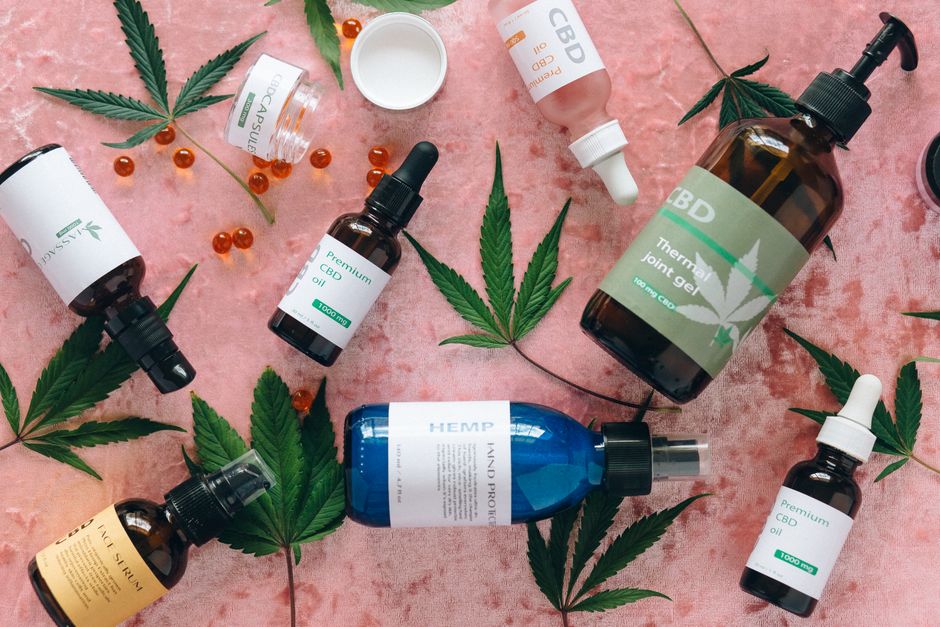
Hemp products have become common on store shelves, and many people use them without a second thought. If you have a drug test coming up for a job, a court program, or the military, the question of whether hemp shows up on a hair follicle test matters a great deal. The short answer: yes, it can. Hair tests look for THC, the psychoactive compound in cannabis, and some hemp products contain enough THC to leave detectable traces in hair. Whether a specific person tests positive depends on what they used, how much, and how often.
Does Hemp Show Up In A Hair Follicle Test?
Hair follicle tests do not look for “hemp” as a substance. They look for drugs and drug metabolites, and the main target in cannabis testing is THC and its breakdown products.
Here is where it gets complicated. Hemp is a legal category, not a chemical one. In the United States, hemp is defined as cannabis containing no more than 0.3% THC by dry weight. That is a legal threshold, not a guarantee of zero THC. A product can be legally labeled hemp and still contain small amounts of THC.
Hair testing is sensitive to THC. So if a hemp product delivers enough THC into your body, a hair test can detect it. This is not a theoretical concern. Research published in the journal Forensic Science International has documented positive hair tests in people who reported using only hemp products, though the number of such cases is small relative to the total testing population.
The key variable is not the word “hemp” on the label. It is how much THC actually entered your bloodstream.
How Does THC Get Into Hair?
THC reaches hair through the bloodstream. When you use a cannabis product, THC and its metabolites circulate in your blood. Hair follicles are surrounded by a rich blood supply, and as hair grows, compounds from the blood can become incorporated into the growing hair shaft.
There is a second route that is often overlooked. THC can also enter hair from the outside — through sweat, sebum (the oil your skin produces), and even smoke in the air. This means that being in a room where cannabis is smoked heavily could theoretically contribute, though the evidence for passive exposure causing positive hair tests in adults is limited and debated.
Once THC is in the hair shaft, it stays there. Hair does not clean itself. This is why hair tests can detect drug use over a much longer window than urine or blood tests.
The Growth Timeline Matters
Head hair typically grows about half an inch per month. A standard hair test uses the first 1.5 inches of hair closest to the scalp, which represents roughly the past 90 days of growth. Some labs can test longer segments if a longer history is needed.
This timeline is why hair tests are popular with employers. A urine test might catch drug use from the past few days. A hair test can reach back months.
What Types of Hemp Products Carry Risk?
Not all hemp products are the same, and the risk of testing positive varies widely depending on what you use.
- CBD isolates: These are refined to contain only cannabidiol, with THC largely removed. Risk of a positive hair test is low but not zero, since trace THC can remain.
- Full-spectrum CBD products: These contain a range of compounds from the cannabis plant, including small amounts of THC. Regular use raises the risk.
- Hemp seed oil: Made from hemp seeds, not flowers. It does not naturally contain THC or CBD in meaningful amounts. Risk is very low.
- Delta-8 and similar products: These are chemically related to THC and can trigger positive tests. Many of these products exist in a legal gray area.
The label is not always reliable. A 2017 study published in JAMA found that many CBD products sold online contained THC at levels that did not match their labels. Some contained more THC than stated. Some contained less CBD than claimed. This makes it hard to know exactly what you are getting.


How Sensitive Are Hair Tests Compared to Other Tests?
Hair tests are generally considered more sensitive for detecting past use than urine tests, but the comparison is not simple. Each test has strengths and weaknesses.
| Test Type | Detection Window | Notes |
|---|---|---|
| Hair | Up to ~90 days | Can detect chronic use well; less reliable for very recent single use |
| Urine | Days to weeks | Most common for workplace testing; detects recent use |
| Blood | Hours to days | Detects very recent use; not typically used for screening |
| Saliva | Hours to days | Used in some roadside and workplace settings |
One important nuance: hair tests are not perfect at catching a single instance of use. If you used a THC product one time, the amount incorporated into your hair might be too small to detect. Chronic, regular use is much more likely to show up.
Hair color and texture can also affect results. Dark hair tends to bind more THC than light hair, which is a known issue that has raised fairness concerns in testing. Some labs have adjusted their methods to account for this, but the issue is not fully resolved.
Can You Avoid a Positive Hair Test?
This is where honesty matters. There is no proven way to reliably beat a hair follicle test.
Products marketed as “hair detox” shampoos and cleansers have not been shown in peer-reviewed research to remove THC from hair. The drug is inside the hair shaft, not just on the surface. Shampoo cannot reach it. Some of these products may damage your hair, but they will not change what is inside it.
Bleaching or dyeing your hair is sometimes suggested. This can damage the hair and may affect test results in unpredictable ways, but it is not a reliable strategy. It can also raise suspicion if the test is part of a legal or employment process.
The only reliable way to avoid a positive hair test from hemp is to avoid products that contain THC. If you use CBD, choose products labeled as THC-free and look for third-party lab testing that confirms the THC content. Even then, trace amounts are possible.
If you are subject to drug testing, talk to your employer or the testing program about what products are allowed. Do not assume that “legal” means “undetectable.”
What Should You Know About Hemp and Drug Testing?
Hemp is legal in many states, but legality and testability are two different things. A product can be legal to buy and still cause a positive drug test.
Employers generally set their own policies. Some follow federal guidelines, which do not recognize hemp as distinct from marijuana for testing purposes. Others have updated their policies to account for legal hemp products. There is no universal standard.
For people in safety-sensitive jobs, military service, or drug court programs, the safest approach is to avoid all cannabis-derived products, including hemp-derived CBD. The risk may be small, but the consequences of a positive test can be significant.
If you have already used a hemp product and are facing a test, there is no guaranteed way to change the outcome. Being honest with a medical professional or legal advisor about what you used is more useful than trying unproven detox methods.
Frequently Asked Questions
Can CBD oil make you fail a hair follicle test?
It can, especially if the product contains THC. Full-spectrum CBD products are more likely to cause a positive test than CBD isolates.
How long does THC stay in hair?
THC can be detected in head hair for up to about 90 days, which reflects the typical growth window used in standard testing.
Will one-time hemp use show up on a hair test?
A single use is less likely to be detected than regular use, but it is not impossible. The amount of THC absorbed and individual factors both play a role.
Do hair detox shampoos work?
No clinical evidence supports the use of detox shampoos for removing THC from hair. The drug is inside the hair shaft, where shampoo cannot reach it.
