
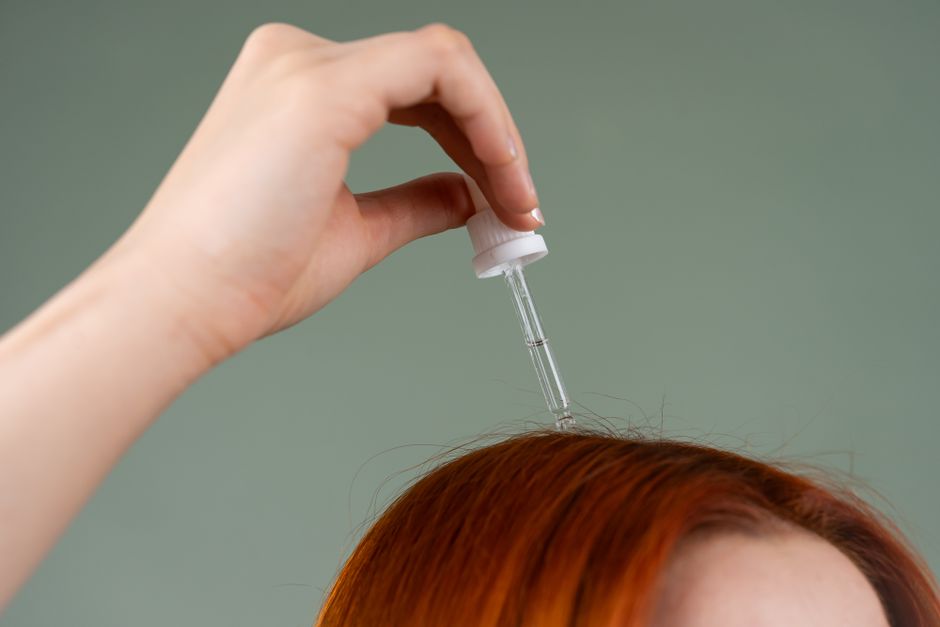
Seeing red tones appear in your hair can be surprising, especially if you were born with brown, black, or blonde hair. This change is usually a sign that your hair pigment is shifting due to age, hormones, or environmental factors. In most cases, it is a natural process and not a medical concern, though it can occasionally signal a nutritional issue worth addressing.
What Causes Hair to Naturally Turn Red?
Your hair color comes from melanin, the same pigment that colors your skin. Two main types of melanin determine hair color: eumelanin, which is brown or black, and pheomelanin, which is red or yellow. Everyone has both types, but the ratio between them is set by your genes.
When your hair appears to turn red, it usually means the balance between these pigments is changing. As you age, your melanocytes — the cells that produce pigment — gradually become less active. They often stop producing eumelanin first, leaving the red and yellow pheomelanin more visible. This is why some people with dark hair notice reddish or coppery glints appearing as they get older.
This process is genetic. If red hair runs in your family, you may carry the genes for pheomelanin production even if your hair has always been dark. Age-related pigment loss can unmask that underlying red tone.
Can Hormones Change Your Hair Color?
Hormonal shifts can affect melanin production. Pregnancy, menopause, and thyroid conditions all influence how your body produces and distributes pigment. Some women notice their hair develops a reddish tint during pregnancy or after childbirth, when estrogen and progesterone levels fluctuate significantly.
Thyroid disorders deserve special attention. Both an underactive and overactive thyroid can alter hair texture, thickness, and color. If you notice your hair turning red along with other symptoms like fatigue, weight changes, or hair thinning, a thyroid panel is a reasonable next step. These changes are usually reversible once hormone levels are balanced.
Hormone-related hair color changes are not well studied in large clinical trials. The evidence comes mostly from clinical observations and case reports. That said, the connection between hormones and melanin production is biologically well established.
What Nutritional Deficiencies Can Cause Reddish Hair?
Your hair follicles need certain nutrients to produce pigment normally. When those nutrients run low, pigment production can become irregular. Copper is particularly important because it helps form an enzyme called tyrosinase, which is essential for melanin synthesis.
Copper deficiency is rare in most developed countries, but it can occur with certain digestive conditions or extremely restricted diets. Low copper levels can cause hair to lose pigment, sometimes appearing lighter, reddish, or even gray. Other nutrients involved in hair pigmentation include iron, zinc, and B vitamins, especially B12.
Iron deficiency is far more common than copper deficiency. Some research suggests iron deficiency can affect hair color, though the evidence is not definitive. If you have other signs of deficiency — like fatigue, pale skin, brittle nails, or unusual cravings — it is worth discussing a blood test with your doctor.
No clinical guidelines currently exist that link specific nutrient levels to hair turning red. The relationship is biologically plausible but not firmly proven in human trials.





Can Medications or Medical Treatments Cause Red Hair?
Certain medications can alter hair pigment. Chemotherapy drugs are the most well-known example. Some people undergoing chemotherapy find their hair grows back a different color, including red, after treatment ends. This happens because chemotherapy damages hair follicles, and the new hair may produce pigment differently than before.
Other medications have been reported to cause hair color changes, though this is uncommon. Drugs that affect the immune system, some antimalarial medications, and certain topical treatments for skin conditions have all been linked to pigment changes in case reports. The evidence here is limited to individual reports rather than large studies.
If you started a new medication and then noticed your hair changing color, check with your prescribing doctor. They can tell you whether this is a known side effect and whether it matters for your treatment plan.
Is Red Hair a Sign of Illness?
In most cases, no. Age-related pigment shifts are normal, and hormonal changes are common. However, sudden or dramatic hair color changes can occasionally be a clue to an underlying condition.
Alopecia areata, an autoimmune condition that causes hair loss, can sometimes cause hair to regrow with a different color, including white or red. This is because the immune system attacks hair follicles, and regenerated hair may not produce pigment normally.
Vitamin B12 deficiency can cause pigment changes in some people, particularly in skin and hair. This is more common in older adults, people with pernicious anemia, and those following strict vegan diets without supplementation. B12 deficiency is easily diagnosed with a blood test and treated with supplements or injections.
If your hair color change comes with other symptoms — hair loss, skin changes, fatigue, or unexplained weight changes — see a doctor. If the color change is the only thing you notice and it happens gradually over months or years, it is almost certainly a natural process.
Does Hair Dye or Chemical Treatment Play a Role?
Chemical treatments can change how your hair reflects light and color. Hair dye, bleach, and even some shampoos can leave a reddish cast, especially on hair that has been lightened. This is not a change in your natural pigment — it is a residue or chemical reaction on the hair shaft.
Some hair care products contain ingredients that deposit color. Henna is the most obvious example, but even purple or blue shampoos can leave subtle tones that interact with your natural color. If your hair seems redder after using a new product, the product is the likely cause.
Hard water can also contribute. Mineral deposits from water with high iron or copper content can build up on hair over time, sometimes creating a reddish or orange tint, particularly on lightened hair. A clarifying shampoo or a shower filter can help if this is the issue.
When Should You See a Doctor About Hair Color Changes?
Gradual changes over years do not require medical attention. But certain patterns warrant a check-up:
- Sudden color change over weeks or a few months
- Color change accompanied by significant hair loss
- Patchy color changes rather than an overall shift
- Other symptoms like fatigue, weight changes, or skin problems
- Color change in a child or teenager without a known cause
These patterns are worth investigating because they may point to a treatable condition. A doctor can run basic blood tests to check thyroid function, iron levels, vitamin B12, and other markers.
Most of the time, the answer will be that nothing is wrong. But ruling out treatable causes is worth the visit.
Frequently Asked Questions
Why is my dark hair turning reddish as I age?
Age-related pigment loss often reduces brown and black eumelanin first, leaving the red and yellow pheomelanin more visible. This is a normal genetic process, not a sign of illness.
Can stress turn your hair red?
Stress can affect hair health and may contribute to pigment changes, but the direct link between stress and hair turning red is not well established. Stress is more commonly associated with graying or hair loss than with reddish tones.
Is hair turning red a sign of vitamin deficiency?
Some nutrient deficiencies, particularly copper and vitamin B12, can affect hair pigment, but this is uncommon. If you have other deficiency symptoms, a blood test can confirm whether this is the cause.
Can your hair naturally change color without dye?
Yes, hair color can shift naturally due to aging, hormonal changes, and environmental factors. These changes are usually gradual and reflect changes in melanin production rather than a new hair color appearing from nowhere.
