
Many people want to know if hemp oil can ease their anxiety. The short answer is that the research is promising but still early. Studies show that hemp oil, particularly when it contains CBD, may help reduce anxiety in some people, but it is not a proven cure or a substitute for established treatments. The evidence is strongest for generalized anxiety disorder and social anxiety, but results vary from person to person.
What Is Hemp Oil and How Is It Different From CBD Oil?
Hemp oil and CBD oil are often used as if they mean the same thing. They do not.
Hemp oil, sometimes called hemp seed oil, comes from pressing the seeds of the hemp plant. It contains little to no CBD. It is rich in fatty acids and nutrients, but it does not have the compounds that researchers believe affect anxiety.
CBD oil is made from the flowers, leaves, and stalks of the hemp plant. It contains higher amounts of cannabinoids, including CBD. When people report anxiety relief from “hemp oil,” they are usually talking about a product that contains CBD, not plain hemp seed oil.
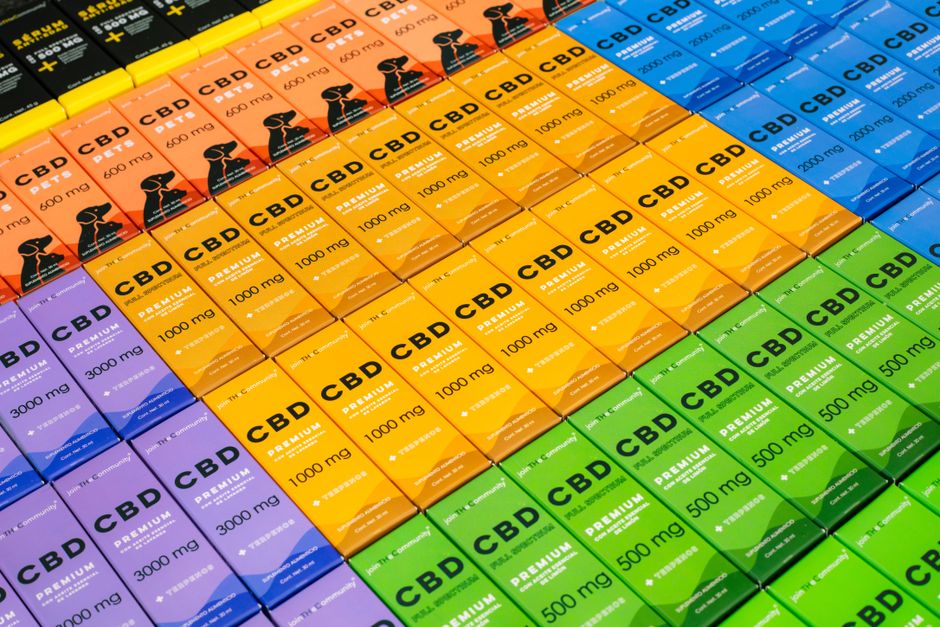
This distinction matters. If you buy plain hemp seed oil expecting anxiety relief, you may be disappointed. Check the label. Look for “full-spectrum,” “broad-spectrum,” or “isolate” to know if you are getting CBD.
Does Hemp Oil Help With Anxiety What Studies Show
Research on CBD and anxiety has grown significantly in recent years. Most of the evidence comes from animal studies and small human trials. The results are encouraging, but they are not conclusive.
A 2019 study published in the Brazilian Journal of Psychiatry looked at CBD in people with social anxiety disorder. Participants took 300 mg of CBD before a public speaking test. The study found that CBD reduced anxiety during the speech compared to placebo. This is one of the most commonly cited human studies on CBD for anxiety.
Other research has looked at CBD for generalized anxiety, panic disorder, and post-traumatic stress disorder. A 2015 review in Neurotherapeutics examined the existing evidence and concluded that CBD showed promise for several anxiety disorders. The same review noted that human research was limited and that more trials were needed.
A 2020 study in the Journal of Clinical Psychiatry examined CBD in people with anxiety and sleep problems. Participants received 25 mg of CBD daily in capsule form. After one month, most participants reported less anxiety and better sleep. The study had no placebo group, which limits what we can conclude from it.
The key point is this: the evidence supports a potential benefit, but it does not prove that hemp oil works for everyone. Large, well-controlled human trials are still missing.
How Does CBD Affect Anxiety in the Body?
Scientists understand some of the biology behind CBD’s effects. The body has an endocannabinoid system, which helps regulate mood, sleep, appetite, and stress responses. CBD interacts with this system, though not in the same way that THC does.
THC, the compound in marijuana that causes a high, binds directly to cannabinoid receptors in the brain. CBD does not bind strongly to these receptors. Instead, it influences them indirectly. It may also affect serotonin receptors. Serotonin is a chemical messenger involved in mood and anxiety.
A 2015 review in Neurotherapeutics explained that CBD appears to reduce anxiety by acting on the brain’s serotonin system. This is similar to how some prescription anti-anxiety medications work, though through different mechanisms.
CBD also appears to affect the amygdala, a brain region involved in fear and emotional responses. Some imaging studies show that CBD changes activity in this area when people view anxiety-provoking images.
This biological explanation makes the anxiety-reducing effects plausible. But understanding a mechanism is not the same as proving a treatment works. Many substances affect the brain in interesting ways without producing reliable clinical benefits.




What Dose of Hemp Oil Is Used for Anxiety?
There is no established standard dose for CBD and anxiety. This is one of the biggest challenges in the research.
Studies have used widely different doses. The 2019 social anxiety study used 300 mg. The 2020 sleep and anxiety study used 25 mg daily. Some studies have used doses as high as 600 mg. This makes it hard to compare results across studies.
No official guidelines currently exist for CBD dosing in anxiety. The FDA has not approved CBD for any anxiety disorder. The only FDA-approved CBD product is for certain forms of epilepsy, and that dose is much higher than what most people take for anxiety.
If you are considering CBD for anxiety, start with a low dose and go slowly. Many products suggest starting with 10 to 20 mg per day. But again, this is not a clinical recommendation. It is simply what many manufacturers suggest.
Talk to your doctor before starting CBD, especially if you take other medications. CBD can interact with certain drugs because it affects liver enzymes that break down medications.
What Are the Risks and Side Effects of Hemp Oil?
CBD is generally well tolerated, but it is not risk-free.
Common side effects include drowsiness, dry mouth, diarrhea, and changes in appetite. These are usually mild and go away as your body adjusts.
More serious concerns involve drug interactions. CBD can interfere with how the liver processes certain medications. This can raise the levels of some drugs in your blood to unsafe levels. Blood thinners, anti-seizure medications, and some antidepressants are examples of drugs that may interact with CBD.
Another concern is product quality. The hemp industry is not tightly regulated. Some products contain less CBD than the label claims. Others contain more. A 2017 study in JAMA found that nearly 70 percent of CBD products sold online were mislabeled. Some contained no CBD at all. Some contained THC.
Choose products that have third-party lab testing. Look for a certificate of analysis from an independent laboratory. This document should show the actual CBD content and confirm that the product is free of contaminants like heavy metals and pesticides.
Is Hemp Oil Better Than Prescription Anxiety Medications?
There is no evidence that CBD works better than established anxiety treatments.
Selective serotonin reuptake inhibitors, or SSRIs, are the most common medications prescribed for anxiety. They include drugs like sertraline and escitalopram. These medications have decades of research behind them. They are not perfect, and they take weeks to work, but their effectiveness is well documented.
Benzodiazepines like diazepam and alprazolam work quickly for acute anxiety. They carry a risk of dependence and are usually prescribed for short-term use.
Cognitive behavioral therapy, or CBT, is another effective treatment. It helps people change thought patterns that contribute to anxiety. The evidence for CBT is strong.
CBD might be useful as an addition to these treatments, but it should not replace them. If you have an anxiety disorder, work with a mental health professional. Do not stop taking prescribed medications without talking to your doctor.
What the Research Gaps Mean for You
The current research on CBD and anxiety has real limitations.
Most studies are small. Many do not include a placebo group. Few follow participants for more than a few weeks. This means we do not know how well CBD works over months or years of use.
We also do not know the long-term safety of daily CBD use. The FDA has noted that some questions remain about CBD’s effects on the liver, male reproductive system, and interactions with other drugs.
Some research suggests that CBD may be helpful for anxiety. But “may be helpful” is not the same as “works.” The honest position is that the evidence is promising but incomplete.
If you decide to try hemp oil for anxiety, treat it as an experiment. Track your symptoms. Note how you feel before and after taking it. Give it a few weeks, since effects may build gradually.
And keep the bigger picture in mind. Anxiety is treatable. Many effective options exist. Hemp oil may be one tool among many, but it is not a replacement for professional care.
Frequently Asked Questions
How long does it take for hemp oil to work for anxiety?
Some people feel effects within 30 to 60 minutes, especially with sublingual oils. Others need several weeks of daily use before noticing a difference.
Can I take hemp oil with my anxiety medication?
Ask your doctor first. CBD can interact with many medications, including some antidepressants and anti-anxiety drugs.
Will hemp oil make me fail a drug test?
Full-spectrum products contain trace amounts of THC and can cause a positive result. Broad-spectrum and isolate products are less likely to, but contamination happens.
What is the difference between hemp oil and CBD oil for anxiety?
Plain hemp seed oil contains no CBD and is unlikely to affect anxiety. CBD oil is extracted from the plant’s flowers and contains the compounds linked to anxiety relief.
