
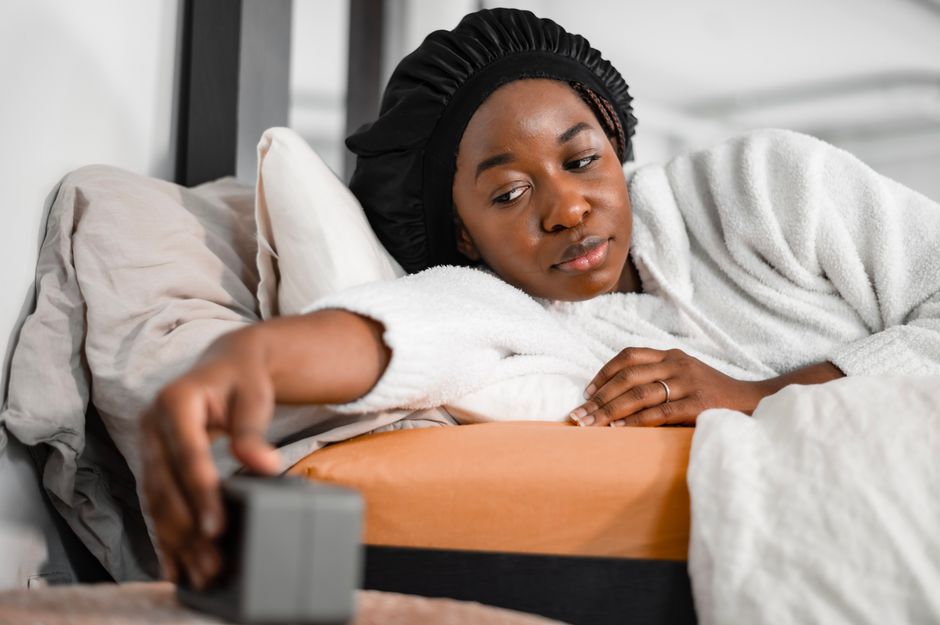
Waking up with a racing heart and a mind full of worry is not your imagination. It is a real physical and chemical response happening inside your body every morning. Cortisol, your main stress hormone, naturally peaks about 30 to 45 minutes after you wake up. For many people this morning spike overshoots and triggers what feels like a full anxiety attack before your feet even hit the floor. Understanding why this happens is the first step to making it stop.
What Causes Morning Anxiety in the Body?
Your body runs on a 24-hour internal clock called the circadian rhythm. This rhythm controls when you feel sleepy and when you feel alert. It also controls your hormone release. Cortisol follows a predictable daily pattern. Levels are lowest around midnight and begin rising in the early morning hours to help you wake up.
Research published in the journal Psychoneuroendocrinology shows that cortisol increases by about 50 to 60 percent in the first hour after waking in healthy adults. This is called the cortisol awakening response. In people who are already stressed or prone to anxiety this normal spike can feel overwhelming. Your brain interprets the physical sensation of a pounding heart and rapid breathing as danger. Then it sends out more stress signals and the cycle feeds itself.
Blood sugar also plays a role. After a night of fasting your blood glucose can drop low. Low blood sugar triggers the release of adrenaline and cortisol to bring levels back up. That surge can feel exactly like anxiety. If your last meal was high in sugar or refined carbs the blood sugar crash during the night can make the morning spike even stronger.
Sleep quality matters here too. Fragmented sleep or not enough deep sleep disrupts the normal cortisol pattern. The National Sleep Foundation reports that adults who sleep less than six hours have higher evening cortisol and a steeper morning rise. This creates a double hit — poor sleep makes the body more reactive to stress and the resulting cortisol spike makes the next night of sleep harder to achieve.
Is Morning Anxiety the Same as an Anxiety Disorder?
Morning anxiety is not a formal diagnosis. The Diagnostic and Statistical Manual of Mental Disorders does not list it as a separate condition. But it is a very common symptom of several underlying issues. Generalized anxiety disorder, panic disorder, and major depression all frequently present with morning symptoms that are worse than symptoms later in the day.
What distinguishes morning anxiety from a full disorder is duration and intensity. If your morning anxiety fades within an hour and you feel fine the rest of the day it may be a cortisol response rather than a clinical condition. If the anxiety lasts for hours or interferes with your ability to get to work or care for your family it is worth discussing with a mental health professional.
One study in the Journal of Affective Disorders found that people with major depressive disorder had significantly higher cortisol levels in the first hour after waking compared to healthy controls. This suggests that morning anxiety can be a biological marker for deeper mood disorders. If you have morning anxiety along with persistent low mood, loss of interest in things you used to enjoy, or changes in appetite or sleep for more than two weeks, it is worth seeking a professional evaluation.
How Does Sleep Quality Affect Waking Up with Anxiety?
Sleep and anxiety have a two-way relationship. Anxiety disrupts sleep. Poor sleep worsens anxiety. This loop is well documented. The American Academy of Sleep Medicine states that chronic insomnia is a risk factor for developing anxiety disorders. People with insomnia are about 10 times more likely to have clinical anxiety compared to people who sleep well.
Sleep apnea is an often overlooked cause of morning anxiety. When your breathing stops repeatedly during the night your oxygen levels drop. Your brain wakes you up just enough to restart breathing. You may not remember these awakenings but your body remembers. The repeated stress response raises baseline cortisol levels. By morning your system is already on high alert.
A 2019 study in Chest found that people with untreated obstructive sleep apnea had significantly higher morning cortisol levels than those without apnea. After three months of CPAP therapy their cortisol levels dropped back to normal. If you snore loudly, wake up gasping, or feel exhausted despite spending eight hours in bed, sleep apnea could be driving your morning anxiety.
Alcohol before bed is another common culprit. Alcohol suppresses REM sleep in the first half of the night. As your body metabolizes the alcohol in the second half it causes a rebound effect with more frequent awakenings and a spike in stress hormones. Even one drink can disrupt the sleep architecture enough to raise morning cortisol the next day.




What Can You Do Right Now to Lower Morning Anxiety?
Several strategies have evidence behind them for reducing the morning cortisol spike. None of them are quick fixes but they work when done consistently.
- Do not stay in bed ruminating. Lying still with a racing mind keeps the stress cycle going. Get up within five minutes of waking. Light exposure signals your brain to set the circadian rhythm properly. Open the curtains or turn on bright lights immediately.
- Eat something within 90 minutes of waking. A protein-rich breakfast helps stabilize blood sugar. Eggs, Greek yogurt, or a protein shake work better than cereal or toast. Stable blood sugar means less adrenaline release to compensate for low glucose.
- Delay caffeine for 60 to 90 minutes. Caffeine blocks adenosine which makes you feel alert. But it also raises cortisol. Drinking coffee immediately after waking adds fuel to the fire. Waiting an hour allows your natural cortisol spike to come down first.
- Try slow breathing for two minutes. The 4-7-8 pattern has the most evidence. Inhale for four seconds. Hold for seven. Exhale for eight. This activates the vagus nerve and shifts the nervous system from fight-or-flight to rest-and-digest within about 90 seconds.
One non-obvious strategy is cold exposure. A 2021 study in PLOS ONE found that people who took a brief cold shower in the morning reported lower stress levels after two weeks. The mechanism is not fully understood but cold exposure appears to train the nervous system to handle stress more calmly. Start with 30 seconds of cold water at the end of your shower and work up to two minutes if you can tolerate it.
What Makes Morning Anxiety Worse Without You Realizing It?
Many common habits make morning anxiety worse. Checking your phone first thing is one of them. Email, news alerts, and social media flood your brain with demands and threats before your prefrontal cortex is fully online. This triggers a stress response before you have had a chance to regulate your own baseline. A 2020 study in Computers in Human Behavior found that people who checked their phone within five minutes of waking reported higher daily stress levels than those who waited 30 minutes or more.
Skipping breakfast is another. Your brain runs on glucose. After 10 to 12 hours without food your reserves are low. The body compensates by releasing cortisol and adrenaline. Skipping breakfast intentionally or accidentally keeps that stress response elevated longer than necessary. Even a small snack like a banana or a handful of almonds can blunt the spike.
Alcohol before bed was mentioned earlier but it deserves emphasis. Alcohol reduces the time spent in deep sleep and increases nighttime awakenings. The rebound effect raises heart rate and cortisol in the second half of the night. If you drink regularly and wake up anxious the link is almost certain. Cutting back or eliminating alcohol for even a few days can produce noticeable improvement in morning calmness.
One thing that gets less attention is the temperature of your bedroom. Overheating during sleep increases cortisol. The ideal sleep temperature is between 65 and 68 degrees Fahrenheit. If your room is warmer than that your body may not enter deep sleep fully and your morning cortisol spike may be higher as a result.
When Should You See a Doctor About Morning Anxiety?
Occasional morning anxiety is normal. Everyone has a rough morning now and then. But consistent morning anxiety that lasts more than two weeks and affects your daily life should be discussed with a healthcare provider. Primary care doctors can run basic tests to rule out physical causes that mimic anxiety.
Thyroid problems are one example. Hyperthyroidism, where the thyroid produces too much hormone, causes symptoms that look exactly like anxiety — racing heart, sweating, irritability, and difficulty sleeping. A simple blood test can check thyroid function. The same is true for vitamin D deficiency, which has been linked to higher cortisol levels in multiple studies.
If physical causes are ruled out a mental health professional can help. Cognitive behavioral therapy has strong evidence for treating anxiety. A 2018 meta-analysis in JAMA Psychiatry reviewed over 40 studies and found that CBT reduced anxiety symptoms significantly compared to no treatment. The effects lasted even after therapy ended. For some people medication is also appropriate. Selective serotonin reuptake inhibitors (SSRIs) are the most common first-line treatment for generalized anxiety disorder. They take four to six weeks to work fully but can reduce the intensity of morning symptoms.
If you have thoughts of harming yourself or feel like you cannot cope call 988. That is the Suicide and Crisis Lifeline. It is available 24 hours a day. You do not need to be in crisis to call. They can help you find local resources and support.
One final note. Social media and wellness blogs often push the idea that you can fix morning anxiety entirely with breathing exercises and a gratitude journal. That is not true for everyone. Some people have a biological predisposition to high cortisol. Some have untreated sleep disorders. Some have underlying depression that requires medical treatment. If the simple strategies do not work after a few weeks there is nothing wrong with you. It just means your body needs more help than a breathing technique can provide. That is what doctors and therapists are for.
Frequently Asked Questions
Why do I wake up with anxiety every morning even when nothing is wrong?
Your body naturally produces a cortisol spike in the morning to help you wake up. In some people this spike overshoots and triggers physical anxiety symptoms even when there is no external stressor.
Can low blood sugar cause morning anxiety?
Yes. After a night of fasting your blood glucose can drop low enough to trigger the release of adrenaline and cortisol. This surge feels identical to anxiety and can be prevented by eating a protein-rich breakfast soon after waking.
How long does morning anxiety usually last?
For most people the intense symptoms fade within 30 to 60 minutes after waking as cortisol levels naturally decline. If your anxiety lasts longer than two hours or persists all day it may indicate an underlying anxiety disorder.
Does exercise help with morning anxiety?
Yes. Morning exercise lowers baseline cortisol levels over time and helps regulate the circadian rhythm. Even 15 minutes of brisk walking can reduce the intensity of the morning cortisol spike within a few days of consistent practice.
