

Hemochromatosis does not cause thick blood in the way many people assume. This condition causes the body to absorb too much iron from food, and that iron builds up in organs like the liver, heart, and pancreas. The blood itself does not become thick or syrupy. The real danger is iron overload damaging tissues over time, not a change in blood consistency. Some people confuse hemochromatosis with polycythemia, a different disorder where the body makes too many red blood cells and the blood genuinely thickens. These are separate conditions with different causes, symptoms, and treatments.
What Exactly Is Hemochromatosis?
Hemochromatosis is a genetic disorder that disrupts how your body regulates iron absorption. Normally, your intestines absorb only the iron your body needs. In hemochromatosis, that regulation fails, and iron is absorbed continuously regardless of need.
Over years, the excess iron has nowhere to go. The body stores it in tissues and organs. The liver, pancreas, heart, and joints are common storage sites. This accumulation is what causes the damage associated with the condition.
Most cases are linked to mutations in the HFE gene, particularly the C282Y mutation. People inherit two copies of this mutation — one from each parent — to develop the condition. Not everyone with two copies develops severe iron overload, which makes the condition somewhat unpredictable.
Why People Think Hemochromatosis Causes Thick Blood
The confusion makes sense. Blood tests for hemochromatosis often show elevated hemoglobin and hematocrit levels in early stages. These are measures of red blood cell concentration. When these numbers run high, some people assume the blood is thick.
But elevated hemoglobin in hemochromatosis is usually modest. It does not reach the levels seen in polycythemia vera, the condition truly defined by thick blood. In polycythemia, red blood cell production runs out of control. The blood becomes viscous and sluggish, raising the risk of clots.
Iron overload does not trigger that same overproduction of red blood cells. The elevated levels seen on lab work are a secondary effect, not the core problem. The primary issue remains iron accumulation in tissues.
What Does Iron Overload Actually Do to the Body?
Iron is essential for life. It helps red blood cells carry oxygen. But free iron in excess is toxic. It promotes oxidative stress, a process where unstable molecules damage cells and DNA.
The liver takes the first hit. Iron builds up there, causing inflammation and scarring over time. This can progress to cirrhosis if untreated. Liver damage is one of the most common serious complications of hemochromatosis.
The pancreas is another target. Iron deposits there can impair insulin-producing cells, increasing the risk of diabetes. The heart can also be affected, with iron accumulating in heart muscle and potentially leading to heart failure or arrhythmias.
Joint pain and fatigue are common early symptoms. Many people experience these for years before the condition is diagnosed. The symptoms overlap with many other conditions, which is why hemochromatosis is often missed.




How Is Hemochromatosis Diagnosed?
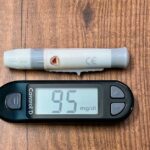
Diagnosis starts with blood tests. Doctors typically order serum ferritin and transferrin saturation. Ferritin reflects total iron stores. Transferrin saturation shows how much iron is circulating in the blood.
Elevated results on both tests suggest iron overload. But these tests alone are not definitive. Ferritin can rise with inflammation, infection, or liver disease for reasons unrelated to iron overload.
Genetic testing confirms the diagnosis. Testing for HFE mutations provides a definitive answer in most cases. If genetic testing is negative but iron levels remain high, doctors may investigate other causes of iron overload, including less common genetic mutations or conditions like chronic liver disease.
In some cases, a liver biopsy is performed to assess the extent of iron accumulation and liver damage. This is less common today because MRI techniques can measure liver iron content non-invasively.
Does Hemochromatosis Increase Blood Clot Risk?
This is where the evidence gets nuanced. Some research suggests a possible link between hemochromatosis and venous thromboembolism, which includes deep vein thrombosis and pulmonary embolism. But the evidence is not strong enough to call it a confirmed risk.
One theory is that iron promotes oxidative stress in blood vessels, which could contribute to clot formation. Another theory involves the modest elevations in hemoglobin that some patients show. Higher hemoglobin levels can increase blood viscosity slightly, though not to the degree seen in polycythemia.
Most studies have not found a consistent, significant increase in clot risk among hemochromatosis patients. The available research is mixed, and the absolute risk appears low for most people. If you have hemochromatosis and are concerned about blood clots, this is a conversation worth having with your doctor.
How Is Hemochromatosis Treated?
The standard treatment is therapeutic phlebotomy, which means regularly removing blood. This forces the body to use stored iron to make new red blood cells, gradually lowering iron levels. The schedule varies. Early treatment may require weekly phlebotomy, while maintenance may only need a few sessions per year.
Treatment goals are straightforward. Doctors aim to bring ferritin levels into a normal range and keep them there. Once that is achieved, the frequency of phlebotomy is reduced to maintain, not chase, the target.
Iron chelation is an alternative for people who cannot tolerate phlebotomy. Chelating drugs bind to iron and help the body excrete it through urine or stool. These medications are effective but have side effects, so they are typically reserved for specific situations.
Dietary changes play a supporting role. Avoiding iron supplements is essential. Limiting red meat and avoiding vitamin C supplements with meals can help reduce iron absorption. Alcohol should be limited or avoided entirely, especially if liver damage is present.
What Happens If Hemochromatosis Goes Untreated?
Untreated hemochromatosis is serious. Iron continues to accumulate, and organ damage progresses silently. Liver cirrhosis, diabetes, heart failure, and joint destruction are all possible outcomes.
Liver cancer is another concern. People with cirrhosis from any cause, including iron overload, face an elevated risk of hepatocellular carcinoma. This risk persists even after iron levels are normalized if cirrhosis has already developed.
The good news is that early treatment prevents most of these complications. People diagnosed before organ damage occurs typically have a normal life expectancy. The key is catching the condition early, which requires awareness and appropriate testing.
Who Should Be Tested for Hemochromatosis?
Testing is recommended for people with symptoms suggestive of iron overload, such as unexplained fatigue, joint pain, or abnormal liver tests. Family members of someone diagnosed with hemochromatosis should also be tested, since the condition is genetic.
Some experts suggest testing anyone with elevated ferritin found incidentally on routine blood work. This is a common scenario because ferritin is often included in comprehensive metabolic panels.
Screening the general population is not currently recommended. The condition is relatively uncommon, and not everyone with the genetic mutation develops problems. Targeted testing based on symptoms or family history is the more practical approach.
Frequently Asked Questions
Can hemochromatosis make your blood actually thicker?
No. Hemochromatosis causes iron buildup in organs, not a change in blood consistency. Thick blood is a feature of polycythemia, a separate disorder involving excess red blood cell production.
What blood test shows hemochromatosis?
Doctors use serum ferritin and transferrin saturation tests to detect iron overload. Genetic testing for HFE mutations confirms the diagnosis.
Is hemochromatosis dangerous if caught early?
No. Early diagnosis and treatment prevent organ damage, and life expectancy returns to normal. The danger comes from untreated iron accumulation over many years.
Does hemochromatosis cause blood clots?
Research is mixed on this point. Some studies suggest a possible link, but the evidence does not confirm a significant increase in clot risk for most patients.
