

Facial hair growth oils are everywhere, and the promises are bold. The short answer is that most hair growth oils do not grow new facial hair where none exists, but some can improve the health and appearance of the hair you already have. The effectiveness depends entirely on the active ingredients, the cause of your patchy beard, and your genetics.
What Is Actually In Hair Growth Oils?
Hair oils typically fall into two categories: cosmetic oils and treatment oils. Cosmetic oils like jojoba, argan, and coconut oil condition the hair and skin. They do not stimulate follicles. They reduce breakage and make existing hair look thicker and shinier.
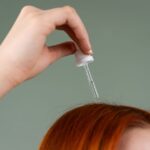
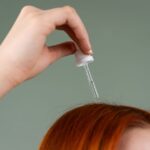
Treatment oils are different. They contain active compounds designed to influence hair growth. The most common is minoxidil, which is FDA-approved for scalp hair loss. It is not an oil, but it is often sold in liquid or foam form and sometimes combined with oils. Other ingredients like rosemary oil, peppermint oil, and caffeine appear in many products with varying degrees of research behind them.
Knowing which category your product falls into is the first step in setting realistic expectations.
Does Minoxidil Work For Facial Hair?
Minoxidil is the only ingredient with strong clinical evidence for hair regrowth. It works by widening blood vessels and shortening the resting phase of the hair cycle, pushing follicles back into the growth phase. Studies on scalp hair loss consistently show it can regrow hair in a significant number of users.
For facial hair, the evidence is less robust but still meaningful. Some small studies and many anecdotal reports show that topical minoxidil applied to the face can increase beard density and coverage. It is important to note that this is an off-label use. The FDA has not approved minoxidil for facial hair, but dermatologists sometimes recommend it for this purpose.
There are real risks. Minoxidil is toxic to cats and dogs, even in tiny amounts. It can cause skin irritation, dryness, and flaking. Some users report dizziness or heart palpitations if too much is absorbed. And the hair you grow with minoxidil is dependent on continued use. Stop applying it, and the new hair typically falls out within a few months.
What About Natural Oils Like Rosemary And Peppermint?
Rosemary oil has the strongest evidence among natural oils. A well-known clinical trial compared rosemary oil to minoxidil for androgenetic alopecia, the common pattern of hair loss on the scalp. After six months, both groups showed significant increases in hair count. The study was small, but the results were promising enough that many dermatologists consider rosemary oil a reasonable natural alternative for scalp hair.
Peppermint oil has also shown growth-promoting effects in animal studies. A mouse study found that peppermint oil applied topically produced more hair growth than minoxidil after four weeks. This is encouraging but far from proof that it works the same way on human facial skin.
Neither rosemary nor peppermint oil has been specifically studied for facial hair growth in humans. The evidence is indirect. These oils may increase blood flow and stimulate follicles, but no clinical trial has confirmed they grow a beard.
There is also a practical problem with essential oils. They are potent and must be diluted in a carrier oil. Undiluted essential oils can cause chemical burns and severe skin reactions, especially on the sensitive skin of the face.



How Do Genetics And Hormones Affect Beard Growth?
Facial hair growth is primarily driven by genetics and hormones, not by what you apply to your skin. Androgens, particularly testosterone and dihydrotestosterone (DHT), signal hair follicles to produce terminal hairs on the face. Your follicles have a genetically determined sensitivity to these hormones.
If your follicles are not genetically programmed to respond strongly to androgens, no oil will change that. This is why some men can grow a full beard by age 20 while others still have patchy growth at 40. The difference is not a lack of effort or the wrong product. It is biology.
Age also matters. Facial hair often continues to thicken into the late 20s and early 30s as hormone levels and follicle sensitivity change. A man who struggles to grow a beard at 22 may see significant improvement by 30 without any intervention.
Medical conditions can also affect facial hair. Low testosterone, thyroid disorders, and certain nutritional deficiencies can impair hair growth. If you have sudden hair loss or a complete absence of facial hair along with other symptoms like fatigue or low libido, a doctor can check for underlying causes.
What Does The Research Actually Show?
The honest position is that the research on facial hair oils is limited. Most of the evidence comes from scalp hair studies, animal research, and anecdotal reports. There are very few controlled trials specifically examining beard growth.
One thing the research does support is that improving the health of the hair follicle can improve the quality of hair that grows. A well-nourished follicle produces thicker, stronger hair. This is where conditioning oils like jojoba or argan genuinely help. They do not create new follicles, but they can make the hair you have look better.
Some research also suggests that certain vitamins and minerals play a role in hair health. Iron, zinc, biotin, and vitamin D deficiencies have been linked to hair thinning. Correcting a true deficiency can improve hair growth. But taking supplements when you are not deficient has not been shown to grow facial hair.
Biotin is a good example of a marketing myth. It is widely added to hair growth products, but the evidence for biotin in people without a deficiency is nearly nonexistent. It will not grow a beard if you already have adequate levels.
Are There Risks To Using Hair Growth Oils On Your Face?
Yes, there are real risks, and they are often downplayed by product marketing. The skin on the face is more sensitive than the scalp. Products formulated for the scalp may cause irritation, redness, or breakouts when applied to the face.
Minoxidil carries specific risks. It can cause contact dermatitis, a type of skin inflammation. It can also cause unwanted hair growth on other parts of the face if the product spreads. Some users report facial swelling, especially around the eyes. In rare cases, it can cause a drop in blood pressure leading to dizziness or fainting.
Essential oils are not risk-free either. Many people assume natural means safe, but essential oils can be potent allergens and irritants. Citrus oils can make skin more sensitive to sunlight, increasing the risk of sunburn. Some oils, like tea tree oil, are toxic if ingested and can be harmful to pets.
If you decide to use a hair growth oil on your face, do a patch test first. Apply a small amount to a discreet area like behind your ear and wait 24 hours. If you develop redness, itching, or burning, do not use the product on your face.
What Actually Works For A Patchy Beard?
There is no guaranteed way to grow a fuller beard, but there are evidence-based approaches worth considering. Minoxidil has the most support, though it requires ongoing use and carries side effects. Some dermatologists prescribe it off-label for facial hair.
Microneedling is another option with growing evidence. Small studies show that microneedling, which creates tiny punctures in the skin with a roller device, can stimulate hair growth when combined with minoxidil. The theory is that the micro-injuries trigger a wound-healing response that activates growth factors. The evidence is promising but not definitive.
Lifestyle factors matter more than most people think. Poor sleep, chronic stress, and smoking can negatively affect hair health. Eating a balanced diet with adequate protein and essential fatty acids supports hair structure. These habits will not grow hair where follicles do not respond to hormones, but they can prevent making things worse.
If you are considering a hair growth oil, focus on what it can realistically do. It can condition existing hair, reduce breakage, and improve shine. It may stimulate growth if it contains minoxidil. It will not overcome your genetic programming.
How Long Should You Try Before Giving Up?
Hair growth is slow. The visible results from any effective treatment take at least three to six months. This is because hair grows in cycles, and it takes time for follicles to shift from the resting phase to the growth phase.
If you use a product for six months and see no change in density or coverage, it is unlikely to work for you. Continuing to use it is a waste of money and may expose you to unnecessary side effects.
No clinical guidelines currently exist for facial hair growth timelines. The three-to-six-month window is based on general knowledge of the hair growth cycle and how treatments like minoxidil perform in scalp studies. Facial hair may respond differently, but there is no reason to expect faster results.
Be skeptical of any product that promises visible results in weeks. This is not how hair biology works, and such claims are marketing, not medicine.
Frequently Asked Questions
Can hair growth oil give you a beard if you cannot grow one?
No oil can create hair follicles that your genetics did not give you. Some oils may improve the health of existing hair, but they cannot overcome genetic limits on follicle sensitivity to hormones.
How long does it take for beard oil to work?
Most effective treatments need at least three to six months to show visible results. If a product has not produced any change in density or coverage after six months, it is unlikely to work.
Is minoxidil safe to use on your face?
Minoxidil is used off-label for facial hair and carries risks including skin irritation, unwanted hair growth on other areas, and potential toxicity to pets. Consult a dermatologist before starting it.
Does biotin help grow facial hair?
Biotin only helps if you have a true deficiency, which is rare. For people with normal biotin levels, there is no clinical evidence that taking supplements grows facial hair.
