
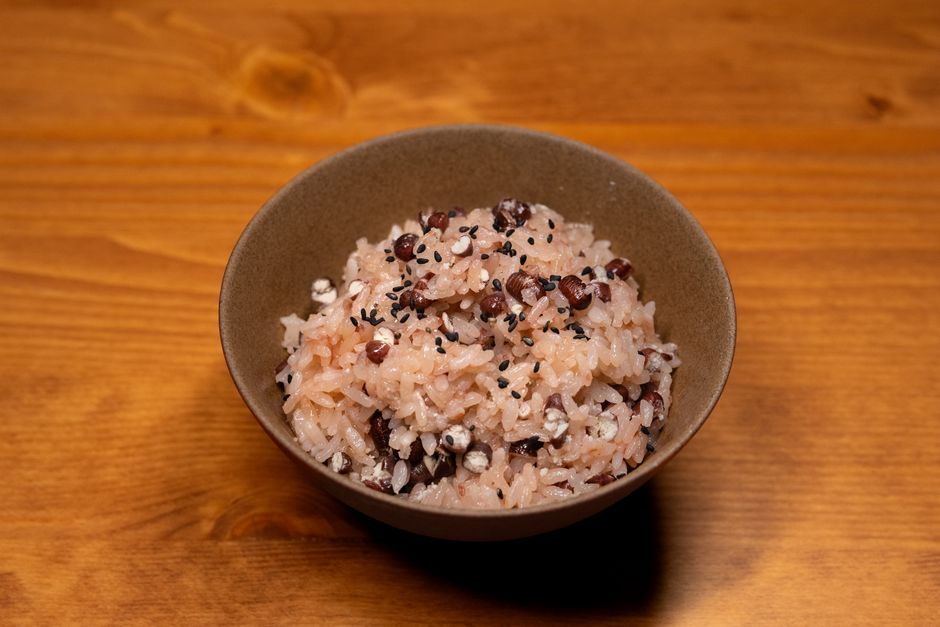
Glutinous rice does not contain gluten. The name is one of the most misleading in food. “Glutinous” comes from the Latin word for glue, and it describes the sticky, glue-like texture of the cooked rice — not the presence of gluten protein.
This mix-up matters because people avoiding gluten for medical reasons often see “glutinous rice flour” on a label and assume it is off-limits. It is not. Glutinous rice is naturally gluten-free, and so is glutinous rice flour. The confusion is purely about a word, not about biology.
Why Is Glutinous Rice Called Glutinous If It Has No Gluten?
The word “glutinous” means sticky or glue-like. It has nothing to do with gluten, the protein found in wheat, barley, and rye.
When glutinous rice is cooked, it becomes soft, sticky, and clumps together. That texture reminded people of glue, so the name stuck. Gluten protein, by contrast, is what gives wheat dough its stretchy, elastic quality. These are two completely different things that happen to share a similar-sounding name.
This is not a case of a food being “almost” gluten-free or “low” in gluten. Glutinous rice belongs to a plant family that does not produce gluten at all. The protein simply is not there.
Does Glutinous Rice Have Gluten? The Clear Answer
No. Glutinous rice is gluten-free. It contains no wheat, barley, or rye, and it does not produce gluten proteins.
Gluten is a group of proteins — mainly gliadin and glutenin — found in certain cereal grains. Glutinous rice is a type of rice, and rice is not one of those grains. The plant does not make gluten. That is true whether the rice is white, brown, black, or purple.
Glutinous rice is also called sweet rice, sticky rice, mochi rice, or waxy rice. All of these names refer to the same grain. None of them change the fact that it is gluten-free.
One detail worth knowing: glutinous rice is not the same as “glutinous rice flour” being a hidden source of gluten. The flour is simply ground glutinous rice. It is gluten-free too.
What Makes Glutinous Rice Sticky?
The stickiness comes from starch, not protein. Specifically, it comes from the ratio of two starch molecules: amylose and amylopectin.
Regular rice contains a mix of both. Glutinous rice is almost entirely amylopectin, with very little amylose. Amylopectin is a highly branched starch molecule. When it cooks, it absorbs water, swells, and creates that sticky, clingy texture. Amylose, by contrast, tends to keep rice firmer and more separate.
This is why glutinous rice behaves so differently from jasmine or basmati rice in the kitchen. It is not about gluten. It is about starch structure.


Is Glutinous Rice Safe for People With Celiac Disease?
Plain glutinous rice is safe for people with celiac disease, as long as it has not been contaminated with gluten-containing grains during growing, processing, or cooking.
Celiac disease is an autoimmune condition triggered by gluten. Because glutinous rice contains no gluten, the grain itself does not trigger the reaction. The same is true for people with non-celiac gluten sensitivity or wheat allergy, though a wheat allergy is a separate issue from gluten.
The real risk is cross-contact. Rice can pick up gluten if it is processed on shared equipment, stored in bulk bins near wheat, or cooked in a kitchen where wheat flour is used. For someone with celiac disease, even small amounts of gluten can cause harm. This is why certified gluten-free labeling matters for anyone with a medical need to avoid gluten.
If you have celiac disease or another condition that requires strict gluten avoidance, look for rice and rice flour labeled gluten-free. The grain is safe. The supply chain is where problems can arise.
How Does Glutinous Rice Compare to Other Rice?
Glutinous rice differs from other rice mainly in its starch, not its gluten status. All rice is gluten-free. The table below shows how the types generally differ.
| Rice Type | Gluten | Main Starch | Cooked Texture |
|---|---|---|---|
| Glutinous (sweet) rice | None | Mostly amylopectin | Very sticky, clumps |
| Jasmine rice | None | Amylose and amylopectin | Soft, slightly separate |
| Basmati rice | None | Amylose and amylopectin | Firm, separate grains |
| Brown rice | None | Amylose and amylopectin | Chewy, nutty |
Notice that the gluten column is the same for every row. Rice does not contain gluten regardless of color, variety, or stickiness.
Where Does Glutinous Rice Show Up in Food?
Glutinous rice is common in many Asian cuisines and shows up in both traditional and modern foods. Knowing where it appears helps you read labels with confidence.
- Mochi, the chewy Japanese rice cake
- Sticky rice dishes in Thai, Lao, and Chinese cooking
- Zongzi, rice dumplings wrapped in leaves
- Some rice cakes, rice crackers, and rice noodles
- Glutinous rice flour used in baking and desserts
These foods are gluten-free only if no other gluten-containing ingredients are added. A mochi filled with a wheat-based filling, for example, would not be gluten-free. The rice is fine. The added ingredients are what you need to check.
Do People Confuse Glutinous Rice With Wheat Gluten Often?
Yes, and the confusion is understandable. The two words look almost identical, and most people never learn the difference unless they have a reason to.
Here is a clarification that surprises many people: gluten-free products often use glutinous rice flour as an ingredient. It is a popular choice in gluten-free baking because its sticky starch helps hold baked goods together — doing a job that gluten would normally do in wheat flour. So a product labeled “gluten-free” can legitimately list glutinous rice flour on its ingredients.
That is not a contradiction. It is the whole point. Glutinous rice provides sticky texture without gluten protein.
Is Glutinous Rice the Same as Wheat or Barley?
No. Glutinous rice is a rice. Wheat and barley are different cereal grains that do contain gluten.
These grains are unrelated in the way that matters for gluten. Rice, including glutinous rice, is not a source of gluten. Wheat, barley, and rye are. Oats are often grouped with them because of cross-contact risk during processing, though oats themselves do not contain gluten proteins.
If you are avoiding gluten, the grains to watch are wheat, barley, and rye. Rice — sticky or not — is not on that list.
What Should You Look For on a Label?
Read the full ingredient list, not just the product name. A food can have “rice” in the name and still contain gluten from other ingredients.
Watch for these gluten-containing ingredients that sometimes appear alongside rice:
- Wheat flour or wheat starch
- Barley malt or malt flavoring
- Rye flour
- Soy sauce, which is often made with wheat
- Certain thickeners and flavorings
For strict gluten avoidance, a “gluten-free” label is the most reliable signal. It means the product meets defined standards for gluten content. Plain rice and plain rice flour without that label are still gluten-free by nature, but cross-contact is possible.
Frequently Asked Questions
Does glutinous rice have gluten?
No, glutinous rice does not contain gluten. The name refers to its sticky texture, not to the gluten protein found in wheat, barley, and rye.
Is glutinous rice flour gluten-free?
Yes, glutinous rice flour is gluten-free because it is simply ground glutinous rice. It is often used in gluten-free baking to add sticky texture.
Why is glutinous rice called glutinous if it has no gluten?
The word “glutinous” means glue-like and describes the sticky texture of the cooked rice. It comes from the same root as “glue” but has no connection to gluten protein.
Can people with celiac disease eat glutinous rice?
Yes, the grain itself is safe for people with celiac disease because it contains no gluten. The main concern is cross-contact with gluten during processing or cooking, so certified gluten-free products are the safest choice.
