
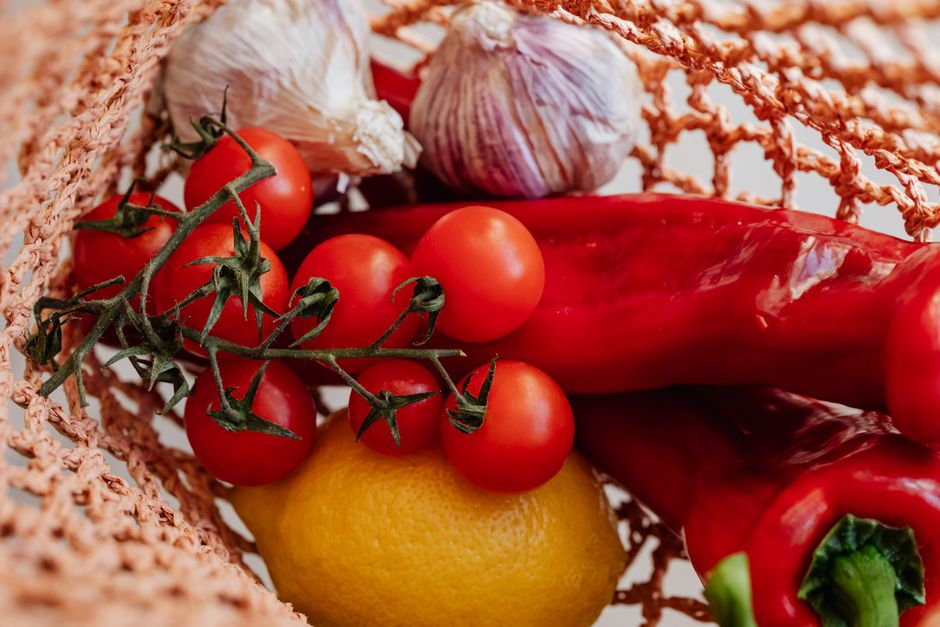
Garlic has been used as medicine for thousands of years. It is also one of the most studied foods in heart health research. But does it actually lower cholesterol? The short answer: the evidence is mixed, and the effect — if real — is modest. Garlic is not a substitute for statins or other proven cholesterol treatments.
Some clinical trials have found small reductions in total cholesterol and LDL cholesterol with garlic supplements. Others have found no meaningful difference compared to placebo. The inconsistency is real, not a failure of reporting. It reflects genuine differences in study design, garlic preparations, and the populations studied.
What Does Garlic Do in the Body That Might Affect Cholesterol?
Garlic contains sulfur compounds, most notably allicin, which forms when garlic is crushed, chopped, or chewed. Allicin is unstable and breaks down quickly into other sulfur-containing molecules. These compounds are the focus of most research on garlic and cholesterol.
One proposed mechanism involves HMG-CoA reductase, the same enzyme that statin drugs block. Some laboratory studies have shown that garlic compounds can inhibit this enzyme in cell cultures. This has led to garlic being called “nature’s statin” in popular health writing. That comparison is misleading.
The concentrations used in laboratory experiments are often far higher than what reaches the bloodstream after eating garlic. Biological plausibility is not the same as demonstrated clinical benefit. The gap between what happens in a petri dish and what happens in a human body is large.
Garlic may also have mild effects on blood clotting and blood vessel function. These are separate from cholesterol and are not well established as clinically meaningful at typical dietary amounts.
What Do Clinical Trials Actually Show About Garlic and Cholesterol?
Clinical trials on garlic and cholesterol have produced inconsistent results. This is the central finding, and it has not changed much despite decades of research.
Some randomized controlled trials have reported small reductions in total cholesterol and LDL cholesterol in people taking garlic powder tablets or aged garlic extract. The reductions tend to be modest — often in the range of a few percent to around 10 percent in individual studies. But other trials of similar design have found no significant difference from placebo.
Several meta-analyses have attempted to pool this data. Their conclusions have varied. Some found a small but statistically significant reduction in total and LDL cholesterol among people with elevated cholesterol at baseline. Others found the effect disappeared when only higher-quality trials were included.
What explains the inconsistency? Several things:
- Different garlic preparations contain different amounts of active compounds. Garlic powder, aged garlic extract, garlic oil, and raw garlic are not equivalent.
- Allicin content varies widely between products and degrades during processing and storage.
- Study durations vary from weeks to months, and cholesterol changes may take time to appear.
- Baseline cholesterol levels differ between study populations. People with higher starting levels may show larger absolute changes.
- Dietary and lifestyle factors are hard to control and can influence results.
One important point that gets lost in the debate: even in trials that did find an effect, garlic did not bring anyone’s cholesterol into a healthy range on its own. The changes were small compared to what statins achieve.
How Much Lowering Would Actually Matter?
This is a question that rarely gets asked in garlic research, and it matters. A small reduction in LDL cholesterol is not automatically clinically meaningful.
Cardiovascular risk reduction depends on the size of the cholesterol change and the baseline risk of the person. Statins lower LDL cholesterol substantially and have been shown in large trials to reduce heart attacks and strokes. Garlic has not been shown in any large trial to reduce cardiovascular events.
This distinction is important. A food or supplement might produce a measurable change in a blood test without producing a meaningful change in health outcomes. Those are different claims, and only the second one matters to patients.
No large, long-term randomized trial has demonstrated that garlic supplementation reduces heart attacks, strokes, or cardiovascular death. The evidence simply does not exist at that level.

Does Raw Garlic Work Differently From Supplements?
Raw garlic and garlic supplements are not the same thing, and the research reflects that. Most clinical trials have used standardized garlic powder tablets or aged garlic extract, not raw garlic.
Raw garlic, when crushed or chopped and allowed to sit before eating, produces more allicin than most cooked or processed forms. Cooking can reduce allicin formation. This has led to the common advice to let chopped garlic rest for several minutes before cooking.
Whether this translates into meaningful cholesterol effects in humans is not established. No well-controlled trial has directly compared raw garlic to supplements for cholesterol outcomes with enough rigor to draw firm conclusions.
Aged garlic extract is a different preparation again. It contains little allicin but higher levels of other sulfur compounds. Some trials have used aged garlic extract and reported modest effects, but results are not consistent across studies.
If you enjoy garlic in your cooking, there is no reason to stop. It adds flavor and has a long history in cuisine. But treating it as a cholesterol treatment is not supported by the evidence.
Can Garlic Replace Statins or Other Cholesterol Medications?
No. This is one of the clearest conclusions in this area, and it matters for safety.
Statins have been studied in large randomized trials involving tens of thousands of people. They lower LDL cholesterol substantially and reduce the risk of heart attack and stroke in people at elevated risk. Garlic has not been shown to do either of these things at a level that would justify replacing proven treatment.
Stopping a prescribed cholesterol medication to try garlic instead could have serious consequences. If you are considering changes to your cholesterol treatment, talk to your doctor first. This is not a decision to make based on supplement marketing.
Garlic supplements can also interact with some medications, particularly blood thinners. Garlic has mild antiplatelet effects. If you take warfarin, aspirin, clopidogrel, or other anticoagulant or antiplatelet drugs, talk to your doctor or pharmacist before adding garlic supplements. This is a real safety consideration, not a theoretical one.
Garlic supplements may also interfere with the effectiveness of some drugs used to treat HIV, and can affect blood sugar in people with diabetes. These interactions are documented in clinical literature.
What Actually Lowers Cholesterol, According to Strong Evidence?
This is where the evidence is much stronger, and it is worth being direct about it.
Saturated fat reduction has a well-established effect on LDL cholesterol. Replacing saturated fat with unsaturated fats — from sources like olive oil, nuts, seeds, and fatty fish — lowers LDL cholesterol in controlled trials.
Soluble fiber from oats, barley, psyllium, and legumes has consistently been shown to lower LDL cholesterol. The effect is modest but reliable and well documented.
Plant sterols and stanols, found in some fortified foods, have been shown in multiple trials to lower LDL cholesterol by reducing cholesterol absorption in the gut.
Regular physical activity has favorable effects on cholesterol and overall cardiovascular risk, though the effect on LDL specifically is modest compared to dietary changes.
Statins remain the most extensively studied and effective medication for lowering LDL cholesterol and reducing cardiovascular events in people who need them.
None of this means garlic is worthless. It is a flavorful food with a long culinary history. But when it comes to cholesterol, the evidence does not support it as a primary strategy.
Does Garlic Reduce Cholesterol What The Evidence Shows
The evidence on garlic and cholesterol is genuinely mixed. Some trials show small reductions in total and LDL cholesterol. Others show nothing. The most honest summary is that garlic may have a modest effect in some people, but the effect is small, inconsistent, and not demonstrated to reduce cardiovascular events.
If you have high cholesterol, the strategies with the strongest evidence are dietary changes, physical activity, and — when appropriate — medication prescribed by a doctor. Garlic can be part of a healthy diet. It should not be relied on as a treatment.
Frequently Asked Questions
Does eating garlic every day lower cholesterol?
Some studies suggest a small effect, but results are inconsistent and the reduction is modest at best. No large trial has shown that daily garlic lowers heart attack or stroke risk.
How long does it take for garlic to lower cholesterol?
There is no established timeline because the evidence does not consistently show that garlic lowers cholesterol at all. Trials that reported effects typically ran for several weeks to a few months, but results varied widely.
Is garlic as effective as statins for cholesterol?
No. Statins have been shown in large trials to substantially lower LDL cholesterol and reduce cardiovascular events; garlic has not been shown to do either at a comparable level.
Can garlic supplements interact with medications?
Yes. Garlic can increase bleeding risk when taken with blood thinners or antiplatelet drugs, and may interact with some other medications. Talk to your doctor or pharmacist before starting garlic supplements if you take prescription drugs.
