
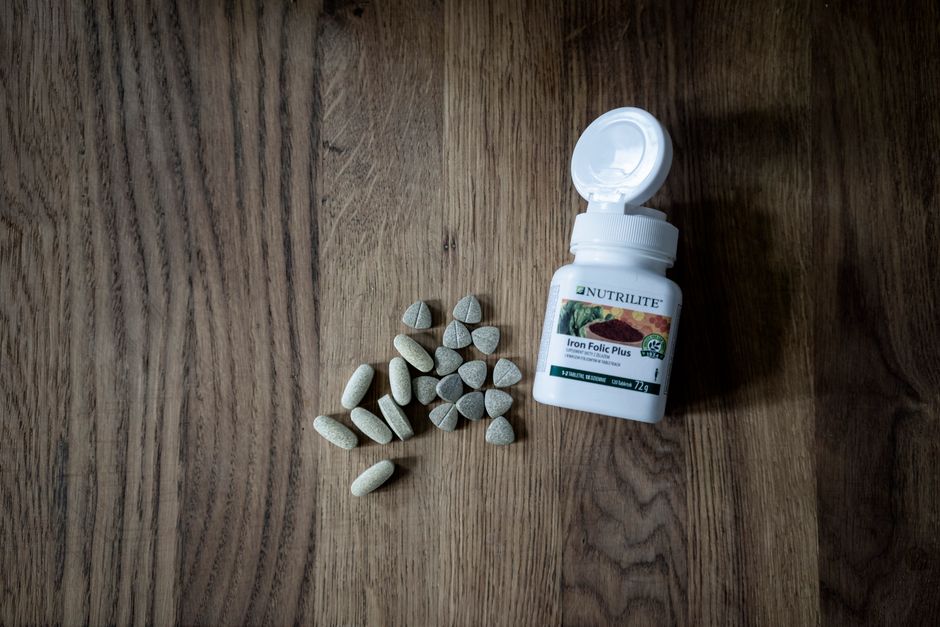
Fulvic acid supplements are promoted for energy, immunity, and “detox,” but a surprising number of people who try them end up asking a more immediate question: does fulvic acid make you poop or cause diarrhea? The short answer is that fulvic acid is not a laxative, and there is no established mechanism by which it should reliably cause a bowel movement. However, some people do report loose stools or diarrhea after taking it — usually because of how the product is made, what it is mixed with, or how it affects their individual gut.
That distinction matters. A genuine laxative effect and a reaction to a poorly made or heavily contaminated supplement are two very different things. What follows explains what fulvic acid actually is, why it might affect digestion in some people, and what the evidence does and does not show.
What Is Fulvic Acid, Exactly?
Fulvic acid is a family of naturally occurring organic compounds found in soil, peat, compost, and some water sources. It forms when plant and microbial material breaks down over long periods. Chemically, it belongs to a broader group called humic substances, which also includes humic acid and humin.
These compounds are not a single molecule. “Fulvic acid” describes a mixture of many different acids with varying structures, which is one reason research on it is difficult to interpret. Two products labeled fulvic acid may contain very different mixtures.
In nature, fulvic acid helps move minerals and nutrients through soil. That soil-based role is often borrowed as a marketing story for human health — the idea that if it transports minerals in dirt, it must do something similar in the body. That is a logical leap, not a demonstrated human benefit. Biological plausibility is not the same as proven clinical effect.
Fulvic acid supplements are usually sold as liquids, capsules, or powders. Because they are classified as dietary supplements in the US, they are not reviewed by the FDA for safety or effectiveness before sale. That regulatory gap matters for the question at hand.
Does Fulvic Acid Make You Poop Or Cause Diarrhea?
Fulvic acid is not classified as a laxative and does not work like one. Laxatives act through specific mechanisms — drawing water into the bowel, stimulating intestinal contractions, or softening stool. Fulvic acid does not have an established mechanism of that kind.
So why do some people report diarrhea after taking it? A few honest explanations exist, and none of them require fulvic acid to be a laxative.
- Contamination. Fulvic acid is extracted from soil and peat. If a product is not well purified, it can carry soil bacteria, heavy metals, or other contaminants. An upset gut from a contaminated supplement is a reaction to the contaminant, not to fulvic acid itself.
- Additives and fillers. Liquid products often contain preservatives, sweeteners, or other ingredients. Sugar alcohols like sorbitol, mannitol, and xylitol are well known to cause loose stools and gas when consumed in sufficient amounts.
- Magnesium or other minerals. Many fulvic acid products are blended with minerals. Magnesium, in particular, draws water into the intestines and can cause diarrhea at higher intakes. This is a documented effect of magnesium, not of fulvic acid.
- Individual sensitivity. Some people simply react to new supplements with temporary digestive changes. This is common and not specific to fulvic acid.
The key point: when diarrhea follows fulvic acid, the cause is usually something other than fulvic acid acting as a laxative. That does not make the reaction less real, but it changes what you should do about it.
Why Do Some People Report Loose Stools After Taking It?
Most reports of loose stools trace back to product composition rather than the fulvic acid itself. This is worth understanding because it affects how you read any label.
Fulvic acid supplements vary widely in purity and formulation. A liquid “fulvic mineral” product may be mostly water with a small amount of fulvic acid and a larger amount of dissolved minerals. Those minerals can have real effects on the gut. A capsule product may include herbal ingredients or fiber that also affect digestion.
There is also the question of dose. No standard dose of fulvic acid exists, and no clinical guidelines set a safe or effective amount for general use. Without an established dose, products vary enormously, and a person may unknowingly take far more of a mineral blend than their gut tolerates.
Some marketers suggest that loose stools mean the product is “working” or “detoxing.” There is no physiological basis for that claim. Diarrhea is not a sign of detoxification. It is a sign that something in the product is irritating the gut or pulling water into it.





Is There Any Evidence Fulvic Acid Affects Digestion?
The honest position is that human evidence is limited. Most fulvic acid research has been done in laboratory settings or in animals, not in controlled human trials. Some small studies have looked at fulvic acid in specific contexts, but the body of evidence is not strong enough to support general claims about digestive health.
What the research does not show is any established laxative effect. There is no recognized mechanism by which fulvic acid stimulates bowel movements, and no clinical guideline lists it as a treatment for constipation.
Some preliminary work has explored whether humic substances might influence gut bacteria or inflammation. This is early-stage science. It does not establish that fulvic acid changes digestion in a predictable way, and it certainly does not support the idea that it causes diarrhea as a normal effect.
When a supplement has weak evidence for benefit and unclear evidence for harm, the responsible approach is caution — not reassurance. You should not assume fulvic acid is safe simply because it is sold. And you should not assume a digestive reaction is harmless just because the product is marketed as natural.
When Should You Stop Taking Fulvic Acid?
If you develop diarrhea, cramping, or other digestive symptoms after starting fulvic acid, the sensible step is to stop taking it and see whether the symptoms resolve. Most reactions tied to a supplement improve once the supplement is stopped.
Seek medical care if diarrhea is severe, lasts more than a couple of days, or comes with fever, blood in the stool, dehydration, or significant pain. These are signs that something more serious may be going on, and they should not be attributed to a supplement without evaluation.
If you take prescription medications, talk to a clinician before using fulvic acid. Because fulvic acid can bind to other substances — that is part of its behavior in soil — there is a theoretical concern that it could affect how some drugs are absorbed. This has not been well studied in humans, so the concern is theoretical rather than confirmed. But “not studied” is not the same as “safe.”
People who are pregnant, breastfeeding, or managing a chronic condition should be especially cautious. No clinical guidelines exist for fulvic acid use in these groups, and there is no reliable safety data to rely on.
How Does Fulvic Acid Compare To Actual Laxatives?
It helps to separate fulvic acid from products that genuinely cause bowel movements. The table below shows the difference in how they work — not a recommendation of any product.
| Type | How it works | Typical effect |
|---|---|---|
| Fulvic acid | No established laxative mechanism | No predictable bowel effect; reactions usually from additives or contaminants |
| Osmotic laxatives (e.g., magnesium, polyethylene glycol) | Draw water into the intestines | Softer stool, increased bowel movements |
| Stimulant laxatives | Stimulate intestinal contractions | Bowel movement, sometimes cramping |
| Bulking fibers | Add bulk and retain water in stool | More regular, softer stools over time |
The comparison makes the point: fulvic acid does not belong in the laxative category. If it causes diarrhea, that is a signal about the product, not proof that it works like a laxative.
What Should You Do If You Want To Try It?
There is no established reason to take fulvic acid for digestive health, and no guideline recommends it. If you choose to try it anyway, a few practical steps reduce risk.
- Choose products from companies that publish third-party testing for heavy metals and microbial contamination. Soil-derived products can carry both.
- Read the full ingredient list, not just the front label. Watch for sugar alcohols and added magnesium.
- Start with a small amount and note any digestive changes.
- Stop if symptoms appear. Do not push through diarrhea on the theory that it means the product is working.
If your goal is regular bowel movements, the evidence is far stronger for basic steps: adequate fiber, enough fluids, and regular physical activity. These are well established. Fulvic acid is not.
Frequently Asked Questions
Does fulvic acid make you poop?
No. Fulvic acid is not a laxative and has no established mechanism for causing a bowel movement. Any effect on digestion is more likely tied to additives, minerals, or contaminants in a specific product.
Why did I get diarrhea after taking fulvic acid?
Most likely because of something else in the product, such as added magnesium, sugar alcohols, or a contaminant from poor purification. Stop the supplement and see whether symptoms resolve.
Is diarrhea a sign that fulvic acid is detoxing my body?
No. Diarrhea is not a sign of detoxification, and there is no physiological basis for that claim. It usually means something in the product is irritating your gut.
Is fulvic acid safe to take every day?
There is no established dose and no reliable long-term human safety data, so daily use cannot be called safe. Talk to a clinician first, especially if you take medications or are pregnant or breastfeeding.
