

Most people searching “how to get diarrhea” aren’t trying to get sick. They’re usually trying to understand something that already happened, or they’re dealing with a medical situation like constipation or a bowel prep before a procedure. Diarrhea is loose, watery stools occurring three or more times in a day. It happens when the intestines push contents through too fast, or when the gut pulls in less water than normal.
Some causes are things you can influence on purpose. Others are the result of infection, medication, or a medical condition. This article explains what actually triggers diarrhea, which factors are within your control, and when the symptom moves from inconvenient to dangerous.
What Actually Causes Diarrhea?
Diarrhea happens when the colon either secretes fluid or fails to absorb it. Four broad mechanisms drive this, and most cases involve more than one.
Osmotic diarrhea occurs when undigested substances pull water into the intestine. This is what happens when you eat too much of a sugar alcohol like sorbitol or mannitol, or when lactose passes undigested through the gut in someone who is lactose intolerant.
Secretory diarrhea occurs when the intestine actively pumps out fluid. Bacterial toxins are a classic trigger. So is a rare condition called VIPoma, though that’s uncommon. The key feature is that secretory diarrhea often continues even when you stop eating.
Inflammatory diarrhea comes from damage to the intestinal lining. Inflammatory bowel diseases like Crohn’s disease and ulcerative colitis fall here. So do some infections that invade the gut wall.
Motility-related diarrhea results from the gut moving too fast. This can happen after certain surgeries, with thyroid disorders, or from medications that speed up transit.
Understanding the mechanism matters because it explains why some causes are easy to trigger and others require a medical condition to be present.
How To Get Diarrhea: Common Everyday Triggers
The most reliable way to bring on loose stools is to disrupt the normal balance of your digestive system. Several everyday habits do this effectively.
- Eating contaminated food or water. This is the most common cause worldwide. Bacteria like Salmonella, Campylobacter, and E. coli, along with viruses like norovirus, are frequent culprits.
- Drinking untreated water. Even in developed countries, backcountry water sources can carry Giardia and other organisms.
- Consuming large amounts of sugar alcohols. Sorbitol, xylitol, mannitol, and erythritol are poorly absorbed. They pull water into the bowel. Chewing gum, sugar-free candy, and some protein bars contain enough to cause problems.
- Drinking excess alcohol. Alcohol irritates the stomach lining and speeds up gut transit.
- Eating very spicy food. Capsaicin can irritate the intestinal lining in sensitive people, though the effect varies widely.
- Drinking large amounts of coffee or other caffeinated drinks. Caffeine stimulates muscle contractions in the digestive tract.
These triggers don’t affect everyone equally. A person who tolerates spicy food without issue may still get diarrhea from sugar-free gum. Individual sensitivity matters as much as the trigger itself.
Which Foods and Drinks Commonly Cause Loose Stools?
Certain foods are well known to loosen stools in many people. The effect depends on how much you consume and how sensitive your gut is.
High-sugar foods and drinks draw water into the intestine through osmosis. Fruit juice, soda, and large amounts of honey can do this, especially in children. Milk and dairy products cause problems for people with lactose intolerance, which is common in adults of East Asian, African, Hispanic, and Native American descent.
Sugar alcohols appear in many “low-sugar” or “keto-friendly” products. A single serving may contain enough to cause gas, bloating, and loose stools. The effect is dose-dependent. Small amounts are usually fine. Large amounts are not.
Some people react to specific FODMAPs, which are fermentable carbohydrates found in foods like onions, garlic, wheat, and certain fruits. In people with irritable bowel syndrome, these can trigger diarrhea reliably.
Olive oil, coconut oil, and other fats in very large amounts can overwhelm fat absorption and cause steatorrhea, which is greasy, foul-smelling stool. This is different from watery diarrhea but often gets grouped with it.


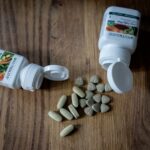


Can Medications Cause Diarrhea?
Many common medications list diarrhea as a side effect. This is one of the most frequent reasons people experience loose stools without an obvious dietary cause.
Antibiotics are a major trigger. They kill off beneficial gut bacteria along with the infection they’re targeting. This disruption, called dysbiosis, can lead to diarrhea during or after a course of antibiotics. In some cases, a bacterium called Clostridioides difficile overgrows and causes severe diarrhea that requires medical treatment.
Other medications linked to diarrhea include:
- Magnesium-containing antacids and laxatives
- Metformin, a diabetes medication
- SSRI antidepressants
- Proton pump inhibitors
- Chemotherapy drugs
- Some blood pressure medications
If you suspect a medication is causing diarrhea, talk to your prescriber. Do not stop a prescribed medication on your own.
What About Medical Procedures and Conditions?
Some people need to induce diarrhea for medical reasons. Before a colonoscopy, doctors prescribe a bowel preparation solution that clears the colon completely. These are typically polyethylene glycol-based solutions that work by holding water in the bowel. This is done under medical supervision and is not something to attempt on your own.
Certain medical conditions cause chronic or recurring diarrhea:
- Irritable bowel syndrome (IBS-D) affects the large intestine and causes alternating diarrhea and constipation or persistent diarrhea.
- Celiac disease triggers an immune reaction to gluten that damages the small intestine.
- Inflammatory bowel disease includes Crohn’s disease and ulcerative colitis.
- Malabsorption disorders prevent the gut from absorbing nutrients properly.
- Hyperthyroidism speeds up metabolism and gut transit.
These conditions require diagnosis and treatment by a doctor. They are not things to self-manage by adjusting your diet based on internet advice.
Is Deliberately Causing Diarrhea Dangerous?
Yes, it can be. Diarrhea causes fluid and electrolyte loss. In mild cases, this is manageable. In severe or prolonged cases, it becomes a medical emergency.
Dehydration is the primary danger. Signs include dark urine, dry mouth, dizziness when standing, and fatigue. Severe dehydration can lead to kidney damage, heart rhythm problems, and in extreme cases, death.
Electrolyte imbalances are another risk. Low potassium and sodium levels can cause muscle weakness, confusion, and irregular heartbeat. Children and older adults are at higher risk because they have less fluid reserve.
Deliberately inducing diarrhea by consuming laxatives, contaminated food, or large amounts of sugar alcohols is not safe. It can cause dehydration, electrolyte disturbances, and in the case of laxative abuse, long-term damage to the bowel.
If you are considering inducing diarrhea for weight loss or another non-medical reason, that is a sign of a serious health concern. Talk to a doctor or mental health professional.
When Should You See a Doctor?
Most diarrhea resolves on its own within a few days. Seek medical care if you experience any of the following:
- Blood or mucus in your stool
- Severe abdominal pain
- Fever above 102°F (39°C)
- Signs of dehydration that don’t improve with fluids
- Diarrhea lasting more than two days in an adult or more than 24 hours in a child
- Black, tarry stools
- Vomiting that prevents you from keeping fluids down
For infants, older adults, and people with weakened immune systems, the threshold for seeking care is lower. These groups can dehydrate quickly.
How Is Diarrhea Treated?
Treatment depends on the cause. For most mild cases, the focus is on replacing fluids and electrolytes. Oral rehydration solutions are more effective than plain water because they contain the right balance of salts and sugar to help the gut absorb fluid.
Over-the-counter medications like loperamide can slow gut motility and reduce stool frequency. They should not be used if you have bloody diarrhea or a fever, because slowing the gut can trap infectious organisms and make things worse.
Antibiotics are only helpful for specific bacterial infections. They do not work for viral diarrhea, which is the most common type. Using antibiotics unnecessarily can lead to resistance and other complications.
Probiotics may help in some cases, particularly antibiotic-associated diarrhea. The evidence is mixed, and specific strains matter. Some studies suggest benefit, but results vary by strain and population.
For chronic diarrhea, treating the underlying condition is the priority. Dietary changes, medications, and in some cases surgery may be part of the plan.
Frequently Asked Questions
How quickly can you get diarrhea after eating something bad?
Symptoms can start within 30 minutes to several hours for osmotic causes like sugar alcohols, or 6 to 48 hours for most bacterial and viral infections. The timing depends on the cause and your individual gut transit time.
Does drinking coffee cause diarrhea?
Coffee stimulates muscle contractions in the colon and can trigger a bowel movement, especially in the morning. It doesn’t cause true diarrhea in most people, but it can worsen symptoms in those with sensitive guts or IBS.
Can stress give you diarrhea?
Yes. The gut and brain are connected through the vagus nerve and hormonal signals. Stress can speed up gut transit and increase sensitivity, leading to loose stools in some people.
What should you eat when you have diarrhea?
Bland, low-fiber foods like bananas, rice, applesauce, and toast are often recommended because they are easy to digest. The evidence for this specific diet is limited, but avoiding fatty, spicy, and high-sugar foods is generally helpful.
Diarrhea is a symptom, not a disease. It signals that something has disrupted normal digestion. For most people, that disruption is temporary and manageable. But deliberately causing it or ignoring persistent symptoms can lead to serious problems. If you’re experiencing diarrhea that won’t go away, or if you’re thinking about inducing it for any reason, talk to a doctor.
