
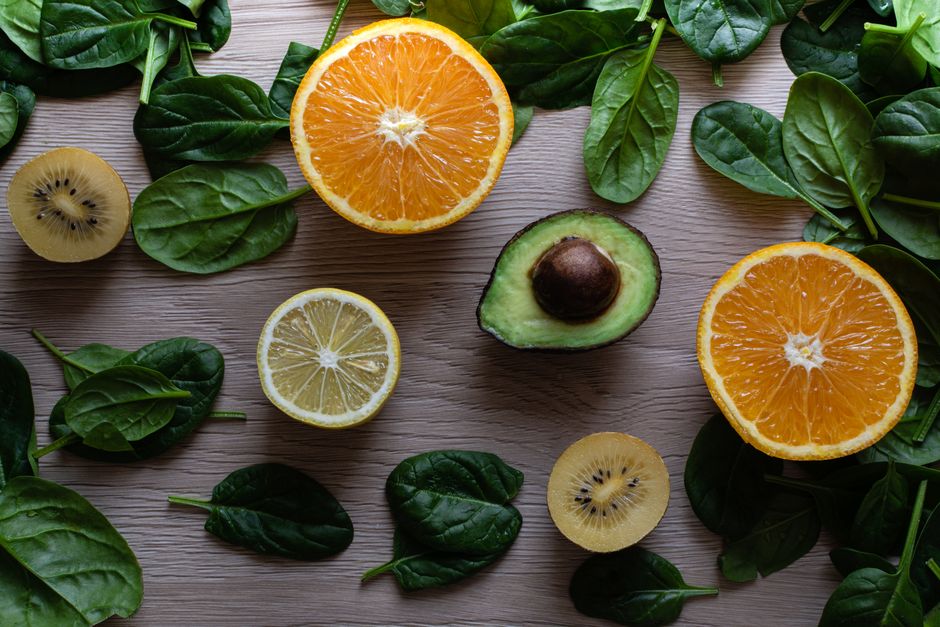
Yes, fruit has carbohydrates. All fruit contains naturally occurring sugars, and those sugars are carbohydrates. A medium apple carries roughly 25 grams of carbohydrate, a medium banana about 27 grams, and a cup of strawberries closer to 11 grams. The more useful question is not whether fruit has carbs, but what kind of carbs it has and whether that matters for how you eat.
That distinction changes the answer depending on who is asking. Someone managing diabetes, someone on a ketogenic diet, and someone simply trying to eat better are all working with different rules. The carbohydrate in fruit is real, but it does not behave like the carbohydrate in a candy bar or a can of soda.
Does Fruit Have Carbs?
Every fruit contains carbohydrate. There is no carb-free fruit. The three main forms are glucose, fructose, and sucrose, plus fiber, which is also technically a carbohydrate.
Fructose is the sugar that gives fruit much of its sweetness. It is metabolized differently from glucose. It is taken up largely by the liver rather than used directly by muscle. In whole fruit, fructose arrives packaged with fiber, water, vitamins, and plant compounds. That package affects how quickly the sugar enters your bloodstream.
The total carbohydrate count varies widely by fruit type and portion size. Here are approximate values for common fruits, based on USDA data.
| Fruit | Serving | Total Carbs | Fiber |
|---|---|---|---|
| Apple | 1 medium | ~25 g | ~4 g |
| Banana | 1 medium | ~27 g | ~3 g |
| Strawberries | 1 cup | ~11 g | ~3 g |
| Blueberries | 1 cup | ~21 g | ~4 g |
| Orange | 1 medium | ~15 g | ~3 g |
| Grapes | 1 cup | ~27 g | ~1 g |
| Watermelon | 1 cup diced | ~11 g | ~1 g |
| Mango | 1 cup sliced | ~25 g | ~3 g |
These numbers are approximate and vary with ripeness, variety, and how the fruit is cut. A riper banana has more sugar than a less ripe one. That is normal biology, not a flaw.
Why Fruit Carbs Are Different From Added Sugar
The carbohydrate in an apple and the carbohydrate in a tablespoon of table sugar are chemically related, but they do not hit your body the same way. The difference comes down to structure and what comes with them.
Whole fruit contains fiber, mostly in the skin and flesh. Fiber slows digestion and blunts the rise in blood sugar after eating. It also feeds gut bacteria, which is a separate benefit. When you drink fruit juice, most of that fiber is stripped out. The sugar remains. That is why a glass of orange juice and an orange are not equivalent, even if the label says the same number of carbs.
Whole fruit also contains a lot of water. Water adds volume and weight without adding carbohydrate. This matters for how full you feel. A cup of grapes and a small handful of raisins can have similar carb counts, but the grapes take up far more space in your stomach and are harder to overeat.
The speed at which fruit raises blood sugar is described by the glycemic index. Most whole fruits fall in the low to moderate range. Watermelon is a notable exception. It has a high glycemic index, but a single serving contains so little carbohydrate that the overall effect on blood sugar is small. This is a good example of why the glycemic index alone can mislead. The glycemic load, which accounts for portion size, is usually more useful.
Does Fruit Have Carbs on a Keto or Low-Carb Diet?
On a strict ketogenic diet, most fruit does not fit. A typical keto approach keeps total daily carbs under about 20 to 50 grams. A single medium banana could use more than half of that budget.
That does not mean fruit is off the table for everyone eating low-carb. Some lower-carb options exist.
- Strawberries and raspberries: roughly 11 to 15 grams of carbs per cup, with several grams of that being fiber
- Blackberries: similar to raspberries
- Small portions of melon: about 11 grams per cup
- Avocado: botanically a fruit, with only about 2 to 3 grams of net carbs per half
Berries tend to be the most workable choice for low-carb eating because a large volume delivers relatively few carbs. A cup of raspberries looks like a lot of food for the carb cost. A cup of grapes does not.
For anyone not following a ketogenic diet, the carb content of fruit is rarely a problem. The concern about fruit carbs is largely a low-carb and diabetes-specific issue, not a general nutrition one.





How Much Fruit Sugar Is Too Much?
Whole fruit is not a significant source of concern for most healthy adults. The sugar in fruit is not the same as added sugar, and no major health authority recommends limiting whole fruit because of its sugar content.
The distinction between naturally occurring and added sugar matters. Dietary guidelines consistently advise limiting added sugars, not the sugars found in whole fruit. Fruit juice and dried fruit sit in a middle zone. They retain more sugar per serving and less water and fiber, so they are easier to overconsume.
There is no established upper limit on whole fruit for the general population. That said, portion awareness helps if you are watching total carbohydrate intake. Two cups of fruit per day is a common target in dietary guidance, though individual needs vary with activity level, body size, and health status.
One point worth clarifying: fructose has a reputation problem largely earned by high-fructose corn syrup, a processed sweetener added to many foods. The fructose in a peach is not the same thing, and the dose is far smaller. Some research suggests that very high intakes of isolated fructose can affect liver fat and insulin sensitivity, but those studies typically use amounts far beyond what anyone gets from eating fruit.
Can People With Diabetes Eat Fruit?
Yes. People with diabetes can eat fruit. The American Diabetes Association includes fruit as part of a healthy eating pattern. The key is portion size and pairing.
Fruit does raise blood sugar, because it contains carbohydrate. That is expected. The goal is not to avoid carbohydrate entirely but to manage how much arrives at once and how fast. Fiber, fat, and protein slow digestion. Eating fruit with a source of protein or fat, like yogurt or nut butter, can reduce the blood sugar spike compared to eating it alone.
Blood sugar response to fruit varies between individuals. Two people can eat the same banana and see different glucose readings. Continuous glucose monitors have made this variation more visible. Some clinicians now use them to help patients identify which fruits and portions work best for them personally. This is a reasonable clinical approach, though it is not yet a universal standard of care.
Whole fruit is generally a better choice than juice for blood sugar management, because fiber is intact and the sugar is absorbed more slowly. Dried fruit is concentrated and easy to overeat, so portion control matters more there.
Do Fruit Carbs Count Toward Your Daily Total?
Yes. If you are tracking carbohydrates for any reason, fruit carbs count. There is no separate category, and fruit is not exempt.
That said, the quality of the carbohydrate source matters for health outcomes, even if the gram count is the same. A diet built around whole foods, including fruit, tends to produce better health outcomes than one built around refined carbohydrates, even when total carbohydrate intake is similar. This is a consistent finding across large population studies.
For most people, the practical takeaway is simple. Fruit contains carbs, and those carbs are part of a healthy diet. If you are managing a specific condition or following a specific eating pattern, the amount and type of fruit you choose may need to shift. That is a conversation worth having with a doctor or dietitian who knows your situation.
Frequently Asked Questions
Does fruit have carbs or just sugar?
Fruit has carbohydrates, and sugar is one type of carbohydrate. The three main sugars in fruit are glucose, fructose, and sucrose, plus fiber, which is also a carbohydrate.
Which fruits have the fewest carbs?
Berries and melon tend to be lowest, with strawberries, raspberries, and watermelon each around 11 grams per cup. Avocado is also a fruit and has roughly 2 to 3 grams of net carbs per half.
Can I eat fruit on a low-carb diet?
Yes, but portions are small on strict low-carb plans. Berries are usually the most practical choice because they deliver the fewest carbs per serving size.
Is fruit sugar as bad as added sugar?
No. Whole fruit contains fiber and water that slow sugar absorption, while added sugar is typically consumed without those buffers. Dietary guidelines advise limiting added sugar, not the sugar naturally present in whole fruit.
