
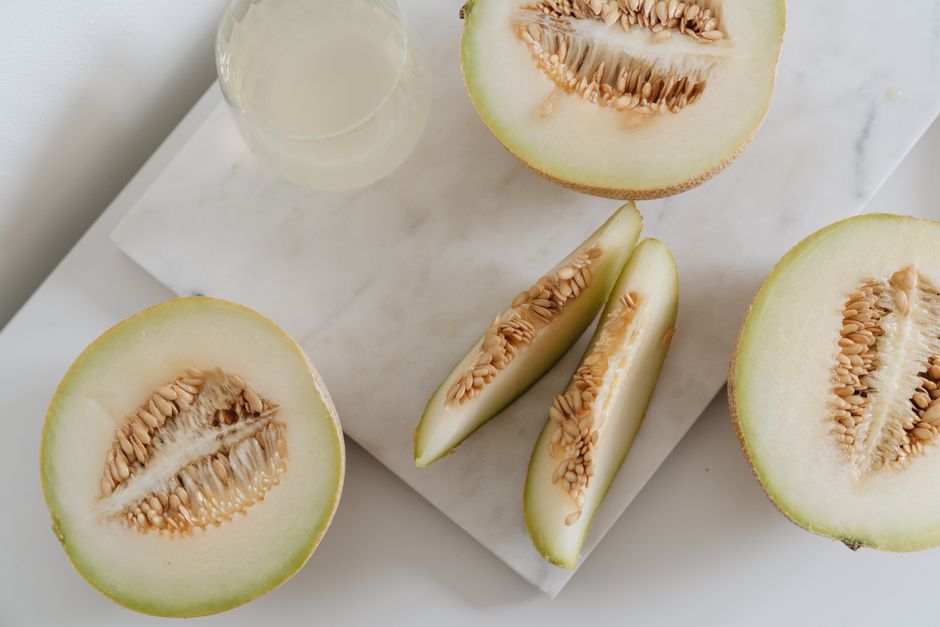
A single cup of diced cantaloupe contains about 13 grams of carbohydrates, including roughly 1.4 grams of fiber and about 12 grams of natural sugar. For most people, this makes cantaloupe a moderate-carb fruit that fits comfortably into a balanced diet, and even into many lower-carb eating plans when portions are controlled.
How Many Carbs Are In Cantaloupe Compared to Other Fruits?
Cantaloupe is often perceived as a high-sugar fruit, but the numbers tell a different story. It sits in the middle of the pack when compared to other common fruits.
For context, a cup of sliced bananas contains about 34 grams of total carbs. A cup of grapes has roughly 27 grams. A cup of apple slices has about 15 grams. Cantaloupe’s 13 grams per cup is lower than all of these.
The fruit is mostly water, which is why it is so refreshing in the summer. That high water content also means the carbohydrate density is relatively low. You get a larger volume of food for fewer carbs than you would with denser fruits like bananas or mangoes.
Net Carbs in Cantaloupe
Many people tracking carbohydrates, particularly those following a ketogenic or low-carb diet, calculate net carbs. This is the total carbohydrate count minus the fiber, because fiber is not digested and does not raise blood sugar the way other carbs do.
Using the standard cup of diced cantaloupe, the math looks like this:
- Total carbs: 13 grams
- Fiber: 1.4 grams
- Net carbs: approximately 11.6 grams
For strict keto diets that allow only 20 to 50 grams of net carbs per day, a single cup of cantaloupe would use up a significant portion of that allowance. It is not impossible to include, but it requires planning. For more moderate low-carb diets, cantaloupe can be easier to fit into the daily budget.
Glycemic Index and Blood Sugar Impact
The glycemic index (GI) measures how quickly a food raises blood sugar. Cantaloupe has a GI value in the mid-60s, which classifies it as a medium-GI food. This is higher than many other fruits, like cherries or grapefruit, but lower than processed sweets or refined grains.
However, the glycemic index alone does not tell the full story. The glycemic load (GL) accounts for both the GI and the actual amount of carbohydrate in a serving. A standard serving of cantaloupe has a low glycemic load, typically under 10. This means that while the sugars in cantaloupe are absorbed relatively quickly, the total sugar amount per serving is modest enough that the overall blood sugar effect is usually mild.
For someone with diabetes, eating cantaloupe alone on an empty stomach may cause a quicker rise in blood sugar than eating it alongside a source of protein or fat. Pairing a serving of cantaloupe with Greek yogurt or a few nuts can help slow digestion and flatten the blood sugar curve.





Portion Sizes and Carb Counting
Carb counts change dramatically with portion size. The difference between a small bowl and a large bowl of cantaloupe can be the difference between a sensible snack and a carb-heavy dessert.
Here are approximate carb values for different serving sizes of fresh cantaloupe:
| Serving Size | Total Carbs | Net Carbs |
|---|---|---|
| Half cup diced | 6.5 grams | 5.8 grams |
| One cup diced | 13 grams | 11.6 grams |
| One medium wedge (about 1/8 of a melon) | 11 grams | 9.8 grams |
| Whole medium cantaloupe | 104 grams | 93 grams |
A whole cantaloupe is roughly the size of a small bowling ball. Eating an entire melon in one sitting is not uncommon in the summer, but it represents a substantial carbohydrate load. For most people, a portion about the size of a fist or a half-cup to one-cup serving is more appropriate.
Can Cantaloupe Fit Into a Low-Carb Diet?
The answer depends on how strict the diet is. On a standard low-carb diet that permits 100 to 150 grams of carbs per day, cantaloupe fits easily. A one-cup serving uses only about 10 percent of that daily allowance.
On a stricter plan like keto, where the daily carb limit is often 20 to 50 grams, cantaloupe becomes a treat rather than a staple. A half-cup serving at roughly 6 grams of net carbs is manageable. A full cup at nearly 12 grams of net carbs leaves little room for other carbohydrate sources like vegetables or dairy.
Some people following low-carb diets choose to avoid cantaloupe entirely during the initial adaptation phase. Once their bodies are fat-adapted and their daily carb tolerance is better understood, they may reintroduce small portions of the fruit without issue.
Nutritional Benefits Beyond the Carbs
Cantaloupe is not just sugar and water. It is a legitimate source of several important nutrients, and the carbohydrate content comes packaged with real nutritional value.
A one-cup serving of cantaloupe provides:
- Vitamin C: about 65 percent of the recommended daily value
- Vitamin A: about 29 percent of the recommended daily value, primarily as beta-carotene
- Potassium: about 12 percent of the recommended daily value
- Folate: about 8 percent of the recommended daily value
Vitamin A in the form of beta-carotene supports eye health and immune function. Vitamin C acts as an antioxidant and supports skin health and wound healing. Potassium is important for blood pressure regulation and muscle function.
The fruit also contains carotenoids like lutein and zeaxanthin, which are associated with eye health. These compounds are not present in large amounts, but they add to the overall nutritional profile.
Compared to a processed snack with a similar carb count, like a small granola bar or a handful of crackers, cantaloupe offers far more micronutrients per gram of carbohydrate. The sugar in cantaloupe is naturally occurring and comes with water, fiber, and vitamins. That is a meaningful difference from added sugar in packaged foods.
Fresh vs. Dried vs. Juiced Cantaloupe
How you eat cantaloupe changes its carbohydrate content significantly. Fresh melon is the most common form, but dried and juiced versions exist and are very different products.
Dried cantaloupe is not widely available in regular grocery stores, but it is sold in some specialty markets and online. Removing the water concentrates the sugars. A small handful of dried cantaloupe can contain more carbs than a full cup of fresh fruit. Portion control becomes much harder with the dried version because the volume shrinks dramatically.
Cantaloupe juice removes the fiber and concentrates the sugar. An 8-ounce glass of cantaloupe juice can contain 20 grams or more of carbohydrates, depending on how it is made. The fiber that slows sugar absorption in fresh fruit is gone. Drinking cantaloupe juice will raise blood sugar faster than eating the same amount of fresh melon.
Frozen cantaloupe is nutritionally similar to fresh. As long as no sugar or syrup is added during freezing, the carb count remains essentially the same. Frozen chunks can be blended into smoothies or eaten partially thawed as a summer treat.
Common Myths About Cantaloupe and Carbs
A persistent myth claims that cantaloupe is “too high in sugar” to be part of a healthy diet. This is not supported by the evidence. The fruit contains about 12 grams of sugar per cup, which is less than a cup of apple slices and significantly less than a standard soda, which contains about 39 grams of sugar in a 12-ounce can.
Another myth suggests that eating cantaloupe on an empty stomach is dangerous because the sugars ferment and cause digestive problems. There is no scientific basis for this claim. The stomach acid and digestive enzymes handle fruit sugars the same way regardless of whether other food is present.
Some people believe that because cantaloupe tastes sweet, it must spike blood sugar worse than less sweet fruits. Taste is not a reliable predictor of glycemic response. The actual carb content and fiber matter more than perceived sweetness. Cantaloupe is not a high-glycemic food when consumed in normal portions.
Frequently Asked Questions
How many carbs are in a half cup of cantaloupe?
A half cup of diced cantaloupe contains about 6.5 grams of total carbohydrates and roughly 5.8 grams of net carbs. This is a reasonable portion for most low-carb eating plans.
Is cantaloupe good for diabetics?
Cantaloupe can be eaten by people with diabetes in moderate portions because its glycemic load per serving is low. Pairing it with protein or fat helps slow blood sugar absorption.
Can you eat cantaloupe on a keto diet?
Yes, but only in small amounts, because a full cup contains about 11.6 grams of net carbs. A half-cup serving is more realistic for staying within a strict keto carb limit.
Does cantaloupe have more sugar than watermelon?
No, cantaloupe and watermelon have similar sugar content per cup, with cantaloupe containing slightly more carbs due to its higher density. Both are moderate-sugar fruits best eaten in controlled portions.
