
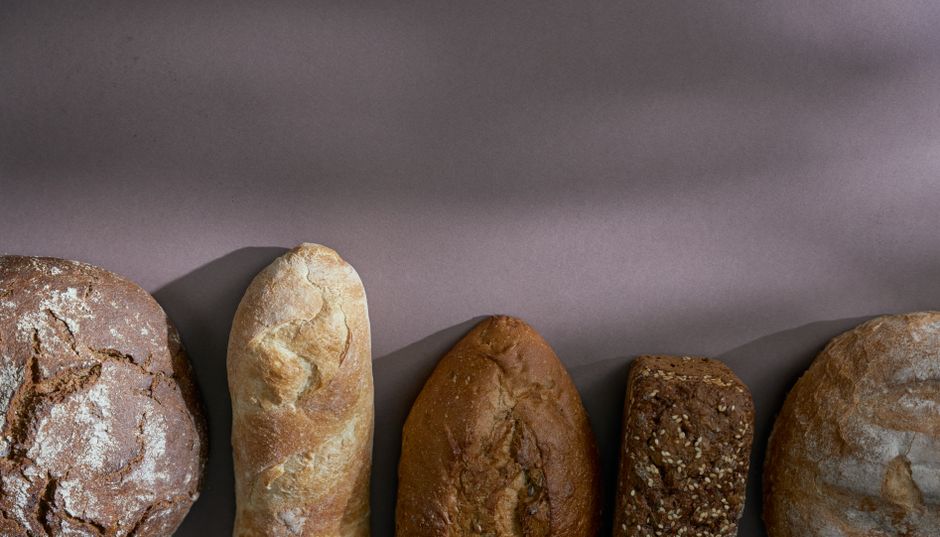
Freezing bread does not reduce its carbohydrate content. A slice of bread that has 20 grams of carbs before freezing will still have 20 grams of carbs after thawing. The cold temperature changes the structure of some starches, but the total amount of carbohydrate remains the same. What freezing can do is change how your body digests those carbs, which may affect blood sugar response.
Does Freezing Bread Reduce Carbs? What Research Says
The short answer is no. Freezing does not remove or destroy carbohydrates. The bread still contains the same number of calories and the same amount of carbs.
However, research has shown that freezing and then toasting bread changes the structure of the starch. Some of the digestible starch converts into something called resistant starch. Resistant starch acts more like fiber than sugar. Your body does not break it down as quickly, so fewer of those carbs are absorbed in the small intestine.
This means the carb count on the label stays the same, but your body may process a portion of those carbs differently. This is a meaningful difference for people who track blood sugar, but it is not the same as reducing carbs.
What Is Resistant Starch?
Starch is the main carbohydrate in bread. Normally, your digestive system breaks starch down into glucose, which enters your bloodstream. That is why bread raises blood sugar.
Resistant starch resists digestion. It passes through the small intestine largely intact and reaches the colon, where bacteria ferment it. This process is slower and produces a smaller blood sugar rise compared to regular starch.
Freezing changes the physical structure of the starch molecules. When bread cools, the starch retrogrades, meaning the molecules rearrange into a tighter, more crystalline form. This makes them harder for digestive enzymes to break down.
Some research suggests that freezing and reheating bread can increase resistant starch content. Toasting after thawing may increase this effect further. The exact amount varies based on the type of bread and how it is prepared.
How Much Does Blood Sugar Response Change?
The effect on blood sugar is real but modest. Some studies have found that frozen and toasted bread produces a lower glucose response compared to fresh bread. The reduction is not dramatic, and it does not turn white bread into a low-carb food.
For someone with diabetes or prediabetes, this could be a useful strategy. It may help flatten the blood sugar spike after eating bread. But it will not eliminate the spike entirely.
It is also worth noting that the effect depends on the bread. Dense, whole-grain breads already have more fiber and a slower digestion rate. The freezing effect may be less noticeable with these breads. White bread and other refined breads may show a more pronounced change because they start with very little fiber.




Does This Count as Reducing Net Carbs?
Some people track net carbs, which are total carbs minus fiber and sugar alcohols. Resistant starch is sometimes counted as a fiber-like carbohydrate because it is not fully digested.
If you count net carbs this way, frozen and toasted bread could have a slightly lower net carb value than fresh bread. But this is not a standard calculation, and food labels do not include resistant starch in their fiber counts.
There is no consensus among nutrition experts on how to count resistant starch. Some researchers argue it should be treated like fiber. Others say it is too variable to assign a fixed value.
If you use net carbs to manage diabetes or follow a low-carb diet, the freezing effect is probably too small to change your daily totals in a meaningful way. It is a minor adjustment, not a major one.
What Does the Research Actually Show?
Several small studies have looked at the effect of cooling and reheating starchy foods on blood sugar. Some research published in the British Journal of Nutrition found that cooling and reheating pasta reduced the glucose response compared to freshly cooked pasta. Similar findings have been reported for rice and potatoes.
Bread has been studied less than rice or pasta, but the underlying mechanism is the same. Starch retrogradation occurs when any starchy food cools after cooking. Freezing accelerates and extends this process.
One important limitation is that most of these studies are small and short-term. They measure blood sugar over a few hours after a single meal. No large, long-term studies have confirmed that eating frozen and toasted bread leads to better diabetes control over months or years.
The evidence supports a modest, short-term effect on blood sugar. It does not support claims that freezing bread makes it a health food or a low-carb alternative.
Is Frozen Bread Healthier Than Fresh Bread?
Frozen bread is not nutritionally superior in most ways. The vitamin and mineral content does not change. The calorie count stays the same. The fiber content remains identical.
The only meaningful change is the starch structure and the resulting effect on digestion speed. That can be helpful for blood sugar management, but it is not a broad health improvement.
For people with insulin resistance or type 2 diabetes, the slower digestion could be beneficial. For everyone else, the difference is unlikely to matter much.
There is also a practical benefit to freezing bread. It reduces food waste because bread keeps for months in the freezer. That is a legitimate advantage, even if it is not about carbs.
Does Toasting Bread Without Freezing Have the Same Effect?
Toasting fresh bread also changes its starch structure. The heat from toasting causes some of the starch to become less digestible. The effect is generally smaller than the combined effect of freezing and toasting, but it goes in the same direction.
Some research suggests that the freeze-thaw cycle matters more than the toasting itself. The key step is the cooling and the formation of retrograded starch. Toasting after thawing may add a small additional effect.
If you want the maximum resistant starch benefit, the sequence matters. Freeze the bread, thaw it, then toast it. Toasting fresh bread alone will not produce the same degree of starch retrogradation.
Practical Tips for Getting the Most Benefit
If you want to try this approach, the method is simple:
- Freeze bread as soon as possible after purchase
- Keep it in the freezer for at least a few hours or overnight
- Thaw at room temperature or in a toaster
- Toast until golden brown
- Eat it as part of a meal with protein and vegetables
Eating bread alongside protein, fat, and fiber will slow digestion more than freezing alone. A slice of frozen and toasted bread with eggs and avocado will produce a smaller blood sugar rise than the same bread eaten alone.
No clinical guidelines currently exist for using frozen bread as a diabetes management strategy. It is a reasonable dietary tweak, but it should not replace medication, portion control, or other proven approaches to blood sugar management.
What This Means for Low-Carb Diets
For people following a strict low-carb or keto diet, frozen bread is not a solution. The carb count is essentially unchanged. The resistant starch effect is too small to make bread compatible with a ketogenic eating pattern.
For people following a moderate carbohydrate approach, frozen and toasted bread could be a useful option. It may produce a slightly gentler blood sugar curve. But the difference is small enough that it should not change your overall carb budget.
The honest takeaway is this: freezing bread is a minor metabolic tweak, not a nutritional transformation. It is worth trying if you enjoy bread and want to manage blood sugar. It is not a reason to add bread back into a diet if you have chosen to avoid it.
Frequently Asked Questions
Does freezing bread lower the glycemic index?
Freezing and reheating bread can lower the glycemic response compared to fresh bread. The effect is modest and varies by bread type.
How much resistant starch does frozen bread have?
The amount varies widely depending on the bread and preparation method. No standard value exists because the effect is not consistent across products.
Is frozen bread better for people with diabetes?
Some evidence suggests frozen and toasted bread produces a smaller blood sugar rise than fresh bread. This is a minor dietary strategy, not a replacement for diabetes treatment.
Does toasting bread reduce carbs?
Toasting changes starch structure but does not remove carbohydrates. The carb count remains the same, though digestion may be slightly slower.
