
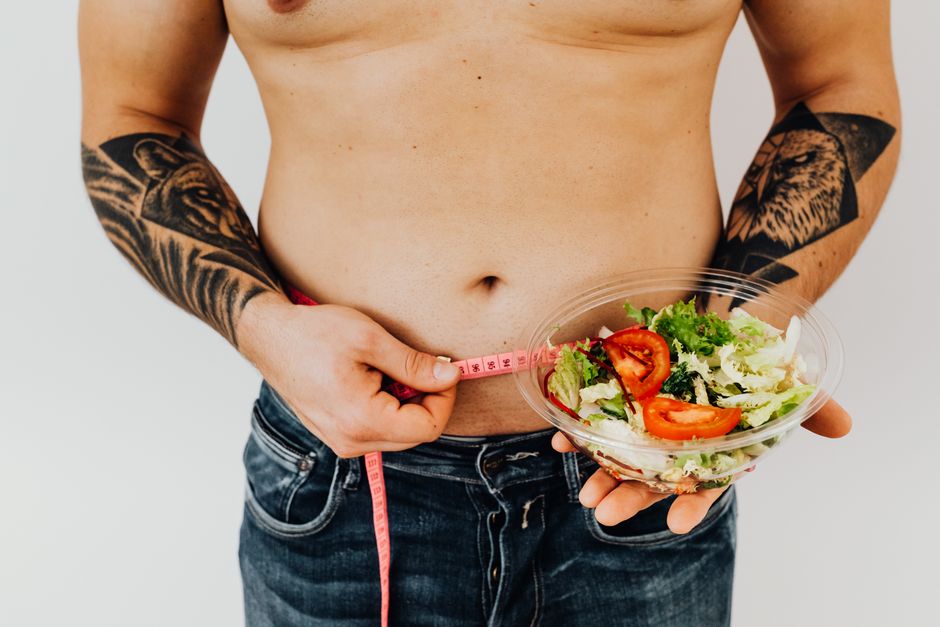
Fasting triggers the body to burn fat for fuel, but it can also lead to some muscle loss if done incorrectly or for too long. The research shows that short-term fasting primarily targets fat stores while preserving muscle, but the balance shifts depending on how long you fast and what you do afterward. Intermittent fasting is a legitimate tool for fat loss, yet it is not a magic bullet that protects muscle tissue from the effects of calorie restriction.
What Happens to Your Body When You Fast?
The body runs on glucose for quick energy, but it only stores enough for about 24 hours. When you stop eating, your insulin levels drop and your body begins pulling stored energy from fat cells. This process is called lipolysis, and it is the primary reason fasting leads to fat loss.
After roughly 12 to 16 hours without food, the liver starts producing ketones. Ketones are an alternative fuel source made from fat. Many people assume ketones mean the body is burning fat exclusively, but that is not entirely accurate. Your body still uses some protein for energy, and that protein comes from muscle tissue.
The key question is not whether fasting burns fat — it does. The real question is how much muscle you lose in the process and whether that loss is meaningful.
Does Fasting Burn Fat or Muscle?
Fasting burns both fat and a small amount of muscle, but the ratio strongly favors fat in most people. Research consistently shows that intermittent fasting produces similar fat loss to standard calorie restriction while preserving lean mass better than continuous dieting in some cases.
Muscle loss during fasting happens because the body needs glucose for certain tissues, especially red blood cells and parts of the kidney. When dietary glucose is unavailable and glycogen stores run low, the body converts amino acids from muscle into glucose through a process called gluconeogenesis.
This does not mean fasting destroys muscle. Studies have found that the amount of muscle lost during intermittent fasting is small — often less than what people lose on a standard daily calorie deficit. The body adapts to fasting by becoming more efficient at using fat and ketones, which spares muscle protein over time.
The danger comes with prolonged fasting. Fasts lasting longer than 48 hours increase muscle breakdown significantly. The body cannot sustain fat oxidation at a high enough rate to meet all energy needs, so it turns to protein. This is why extended fasts are riskier for muscle preservation than time-restricted eating.
How Much Muscle Do People Actually Lose?
Research on intermittent fasting shows that lean mass loss is typically modest. In studies comparing intermittent fasting to daily calorie restriction, both groups lose similar amounts of total weight, and the breakdown between fat and muscle is usually comparable.
Some research suggests that time-restricted eating may preserve muscle better than traditional dieting because it maintains higher growth hormone levels and keeps protein intake concentrated in a shorter window. However, the differences are small and not consistent across all studies.
The more important factor is total protein intake. People who fast but eat adequate protein during their eating window lose less muscle than those who undereat protein. The body needs a steady supply of amino acids to repair and maintain muscle tissue, and fasting does not change that requirement.
Resistance training also matters. Studies consistently show that people who lift weights while fasting preserve more muscle than those who only restrict calories. The muscle is not lost simply because you skipped breakfast — it is lost when the body lacks the signals to keep it.





Does the Length of the Fast Matter?
Yes, and this is where many people get confused. Not all fasting is the same.
- 12 to 16 hours: This is time-restricted eating. Fat burning increases, but muscle loss is minimal. Most healthy adults can do this without worrying about muscle wasting.
- 24 hours: One full day without food. Fat oxidation is high, and muscle loss is still relatively small if you eat enough protein afterward.
- 48 hours or more: Muscle breakdown increases noticeably. The body begins relying more on amino acids for glucose production. Extended fasting should not be done casually.
- 5 to 7 days: Prolonged fasting causes significant muscle loss. Some studies show measurable decreases in lean mass after multi-day fasts, and the risks outweigh the benefits for most people.
The sweet spot for fat loss with muscle preservation appears to be in the 14 to 18 hour range. This is long enough to deplete glycogen and shift toward fat oxidation, but short enough that the body does not need to break down significant muscle protein.
What Protects Muscle During Fasting?
Three factors determine how much muscle you lose while fasting: protein intake, resistance training, and fasting duration. You control all three.
Protein intake is the most important. Research suggests that people who fast should aim for a higher protein intake during their eating window — roughly 1.6 to 2.2 grams per kilogram of body weight per day. This is a general recommendation for people trying to preserve muscle while losing fat, and it applies to fasting as well.
Resistance training sends a clear signal to the body that muscle is needed. Lifting weights while fasting tells your body to preserve muscle tissue, and the evidence for this is strong. Training in a fasted state is safe for most people, though performance may be slightly reduced during the first few weeks of adaptation.
Fasting duration is the variable you can adjust. Shorter fasts preserve muscle better than longer ones. If your goal is fat loss, there is no evidence that a 72-hour fast is better than a 16-hour fast — and plenty of evidence that it is worse for muscle.
Does Fasted Cardio Burn More Fat?
Exercising in a fasted state does increase the proportion of fat burned during the workout itself. When glycogen is low, the body relies more on fat for fuel during exercise. This is well established in exercise physiology.
However, the total fat loss over 24 hours is what matters, and research here is less dramatic. Some studies show that fasted cardio produces slightly more fat loss than fed cardio, while others show no difference. The body compensates by burning less fat later in the day if you burn more during the workout.
The practical takeaway is simple: fasted cardio is not harmful, and it may help some people adhere to their routine. But it is not a superior method for fat loss compared to eating a meal and exercising normally. The total calorie deficit and protein intake matter more than whether you exercised before breakfast.
Who Should Not Fast?
Fasting is not safe for everyone. People with type 1 diabetes, pregnant or breastfeeding women, and anyone with a history of eating disorders should not fast without medical supervision. People taking medications that require food, particularly blood sugar-lowering drugs, need to talk to their doctor first.
People who are underweight or already losing muscle mass should also avoid fasting. The risks of further muscle loss and nutrient deficiencies outweigh any potential benefit.
If you are over 65, fasting can be done safely, but the margin for error is smaller. Older adults lose muscle more easily, and the recovery from muscle loss is slower. Protein intake and resistance training become even more important in this group.
What the Research Does Not Tell Us
Most fasting studies are short-term, lasting 8 to 12 weeks. We do not have strong long-term data on what happens to muscle mass after a year or more of intermittent fasting. The evidence we have is encouraging, but it is not definitive.
Some research also suggests that women may respond differently to fasting than men. Hormonal differences, particularly around estrogen and cortisol, may affect how the body handles fasting. The data here is limited, and no clear conclusion has been reached.
There is also a difference between what works in a controlled study and what works in real life. A study participant who eats a carefully measured high-protein meal after fasting is not the same as a busy person who skips lunch and then eats a bag of chips. The fasting itself is not the problem — the diet quality during the eating window matters enormously.
Frequently Asked Questions
Will I lose muscle if I fast every day?
You may lose a small amount, but daily time-restricted fasting of 14 to 18 hours typically preserves muscle if you eat enough protein and do resistance training.
How long can I fast before losing muscle?
Muscle loss becomes more noticeable after 48 hours without food, so keeping fasts under 24 hours is the safest approach for muscle preservation.
Does fasting burn belly fat specifically?
Fasting reduces overall body fat, and belly fat is lost along with fat from other areas, but spot reduction is not supported by research.
Is it better to fast or just eat fewer calories?
Both work for fat loss, and studies show similar results, so the best choice is the approach you can maintain consistently.
