
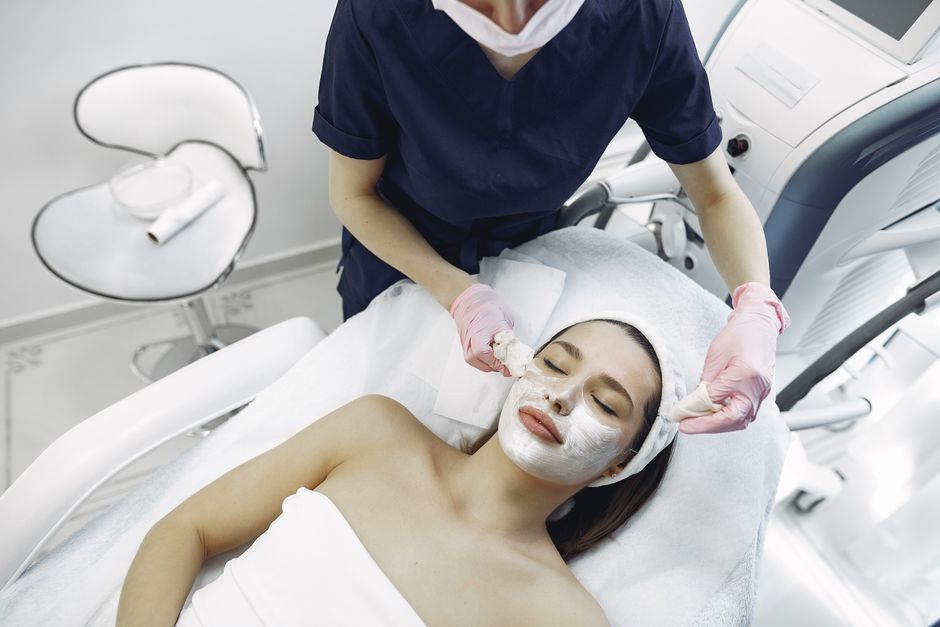
Facial cryotherapy uses extreme cold on the skin to produce temporary tightening and reduced puffiness. However, the evidence does not support claims of lasting anti-aging benefits or permanent wrinkle reduction. Most effects fade within hours, and it is not a proven treatment for long-term skin health.
How does facial cryotherapy work?
Cold temperatures cause blood vessels in the skin to narrow—a process called vasoconstriction. This reduces blood flow to the area, which can decrease swelling and make the skin look firmer for a short time. The cold also numbs nerve endings, giving a temporary sensation of tightness.
After the treatment ends, blood vessels widen again (rebound vasodilation). This rebound brings fresh blood and oxygen back to the skin, which some people believe improves complexion. The whole cycle lasts minutes to hours. There is no evidence that facial cryotherapy changes the structure of collagen or elastin over the long term.
Some clinics and devices also claim to stimulate lymphatic drainage with the cold. While cold can theoretically help move fluid, no strong studies confirm this effect specifically for facial cryotherapy.
What does the evidence say about facial cryotherapy for skin?
Research on facial cryotherapy is limited. Most studies are small and short-term. Some evidence suggests that a single session can temporarily improve skin firmness, brightness, and pore appearance. These changes typically last less than a day.
No large clinical trials have tested whether regular facial cryotherapy reduces wrinkles, sagging, or acne over months or years. Claims that the cold stimulates new collagen production are based on lab studies or whole‑body cryotherapy research—not direct evidence from facial treatments. The skin’s response to brief cold exposure is not the same as the response to injury‑based collagen induction, such as microneedling or laser.
For acne, some small studies have looked at cryotherapy to reduce inflammation. Results are mixed. No consistent evidence shows it treats acne better than standard therapies such as benzoyl peroxide or topical retinoids.
In short, the evidence supports temporary cosmetic effects but not lasting skin changes. Marketing claims often overstate what is proven.
What are the risks and side effects?
Facial cryotherapy is generally safe when done correctly, but there are real risks. The most serious risks include frostbite and nerve damage if the cold is too intense or applied too long. These are rare with professional equipment used by trained providers, but they can happen.
At‑home devices are usually less powerful, so the risk is lower. However, they also produce smaller effects. Over‑the‑counter cold packs should never be applied directly to the face—always use a cloth barrier and limit time to a few minutes.
People with certain conditions should avoid facial cryotherapy. These include cold urticaria (hives from cold), Raynaud’s disease, poor circulation, nerve disorders, and pregnancy. Anyone who has had facial surgery or injections such as fillers should check with their doctor first.
Side effects are typically mild: redness, tingling, or slight swelling that resolves quickly. If pain or numbness persists, stop the treatment and seek medical attention.




Does facial cryotherapy work or is it a fad? Key facts
The honest answer is that facial cryotherapy produces real but very short‑lived cosmetic improvements. It can reduce morning puffiness or give a temporary “lift” before an event. But it does not change the underlying structure of your skin. It does not erase wrinkles, tighten sagging skin, or treat acne any better than established medical options.
Given the gap between what marketing claims and what evidence shows, it is fair to call facial cryotherapy a fad in the sense that its long‑term promises are not backed by science. It is not a scam—many people enjoy the cooling sensation and temporary results—but it is not the breakthrough treatment that some brands suggest.
If you try it, have realistic expectations. The effects are temporary, and no clinical guidelines currently recommend facial cryotherapy as a standard skincare treatment.
How does facial cryotherapy compare to other skincare treatments?
Standard anti‑aging treatments work through different mechanisms. Retinoids (vitamin A derivatives) stimulate collagen production over months and have strong evidence for reducing fine lines and improving skin texture. Laser treatments and microneedling create controlled injury that prompts the skin to rebuild collagen. Dermal fillers physically plump wrinkles.
Facial cryotherapy does none of these. It constricts blood vessels and may reduce fluid temporarily. That is a different action from treatments that actually remodel skin structure.
For acne, prescription medications, topical benzoyl peroxide, salicylic acid, and professional chemical peels have strong evidence. Cryotherapy for acne is a niche approach with limited support. Most dermatologists do not recommend it as a primary treatment.
Comparing facial cryotherapy to these evidence‑based options shows that it is less effective for lasting results. If you want real improvement in wrinkles or acne, other treatments have far more data behind them. If you want a quick refresh for a special occasion, cryotherapy may give you that temporary boost.
What to look for in a cryotherapy provider or device
If you decide to try facial cryotherapy, choose a provider or product carefully. For professional treatments, look for a licensed esthetician or medical professional who uses equipment approved for facial use. Ask about the temperature and duration—treatments should last only 1‑3 minutes per area.
At‑home devices vary widely. Many are simple cooling wands or rollers. They are unlikely to cause harm but also unlikely to produce dramatic results. Avoid any device that claims to permanently tighten skin or eliminate wrinkles—that claim does not match the evidence.
No clinical guidelines exist specifically for at‑home facial cryotherapy devices. Follow the manufacturer’s instructions exactly, and stop if you feel pain or numbness. Never use dry ice or liquid nitrogen at home—that can cause severe frostbite.
Frequently Asked Questions
Is facial cryotherapy safe for all skin types?
It is generally safe for all skin types when done correctly, but people with sensitive skin or conditions like rosacea may experience more redness. Always test on a small area first.
How long do results from facial cryotherapy last?
Most visual results—tightness and reduced puffiness—last a few hours to less than a day. Effects are not cumulative with repeated sessions.
Does facial cryotherapy help with acne?
Some small studies suggest temporary anti‑inflammatory effects, but there is no strong evidence that it treats acne. Standard acne treatments are better proven.
Can I do facial cryotherapy at home?
At‑home cooling devices are available, but they produce much milder effects than professional treatments. Follow instructions carefully and avoid extreme cold to prevent injury.
