
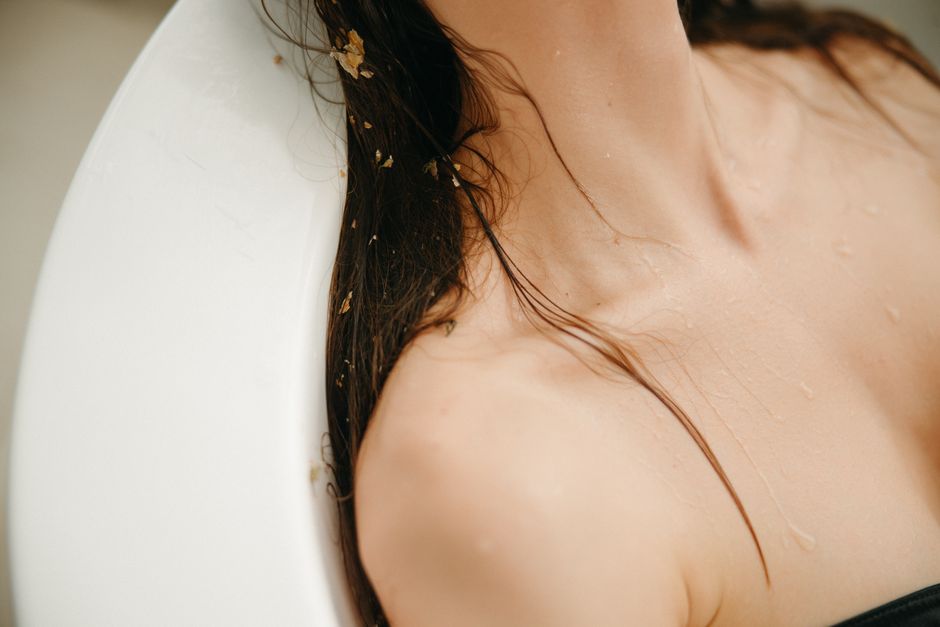
Dandruff is not something you have to live with. It is a common scalp condition that can be managed and controlled with the right approach. The key is to treat the scalp, not just the hair, and to stick with a routine that targets the root cause. You get dandruff out of your hair for good by using the right medicated shampoo consistently, leaving it on your scalp long enough to work, and adjusting your routine when your scalp changes.
What Actually Causes Dandruff?
Dandruff is not caused by poor hygiene. It is a scalp condition, not a hair condition. The most common cause is a yeast-like fungus called Malassezia that lives on everyone’s scalp. For most people, it causes no problems. For others, the skin reacts to it by speeding up cell turnover.
This rapid turnover means dead skin cells clump together and flake off before they are ready. That is the white or yellow dandruff you see. The fungus feeds on the natural oils, called sebum, that your scalp produces. This is why dandruff often appears during puberty and why it can flare up when your oil production changes.
Other factors can make dandruff worse. Stress, cold and dry weather, and certain hair products can all irritate the scalp. But the fungus remains the central player in most cases.
How To Get Dandruff Out Of Your Hair For Good: The Shampoo Rule
The single most effective way to remove dandruff is to use a shampoo with an active ingredient that targets the fungus. Washing your hair with regular shampoo only removes the flakes that are already there. It does nothing to stop new ones from forming.
Look for shampoos that list one of these active ingredients on the label:
- Zinc pyrithione — reduces the fungus and is found in many over-the-counter dandruff shampoos.
- Ketoconazole — an antifungal that works directly against Malassezia. Available in 1% over the counter and 2% by prescription.
- Selenium sulfide — slows cell turnover and reduces the fungus.
- Salicylic acid — helps break down the scales and flakes so they wash away more easily.
- Coal tar — slows cell turnover. Works well but has a strong smell and can stain light hair.
The most common mistake people make is not leaving the shampoo on long enough. These shampoos need time to work. You must massage the shampoo into your scalp and leave it on for at least five minutes before rinsing. If you wash it off immediately, you wash the active ingredient down the drain before it has a chance to act.
Use the shampoo daily or every other day during a flare-up. Once the flakes are under control, you can reduce to twice a week or once a week to maintain the result.
Why Your Dandruff Keeps Coming Back
Dandruff is a chronic condition. There is no permanent cure that makes the fungus disappear. The goal is control, not elimination. The fungus lives on your scalp permanently, so the moment you stop treating it, it can multiply again and the flakes return.
This is why “for good” means building a maintenance routine, not using a shampoo once and expecting a permanent fix. Think of it like managing your teeth. You do not brush once and stop. You brush regularly to prevent cavities. Dandruff works the same way.
Another reason dandruff returns is that people stop using the shampoo as soon as their shoulders are clear. The flakes are gone, so they assume the problem is solved. But the fungus is still there. When you stop the medicated shampoo, the fungus grows back, and the flakes follow within a few weeks.
If one shampoo stops working after a few months, switch to one with a different active ingredient. The fungus can become less responsive to a single treatment over time. Rotating between two different active ingredients every few weeks can keep the scalp responsive.





How To Wash Your Hair To Prevent Flakes
How you wash matters as much as what you wash with. The goal is to treat the scalp, not just the hair length.
Part your hair in sections and apply the shampoo directly to the scalp. Use your fingertips to massage it in. Do not use your fingernails. Scratching with nails can damage the skin and make the irritation worse.
Rinse thoroughly. Shampoo residue left on the scalp can irritate it and mimic dandruff flakes. If you use conditioner, apply it only to the ends of your hair. Conditioner on the scalp can add oil that feeds the fungus.
Warm water is better than hot water. Hot water strips the scalp of its natural moisture and can trigger more oil production, which feeds the fungus. Warm water cleans effectively without overstimulating the oil glands.
When It Is Not Dandruff
Not every flake on your scalp is dandruff. If you have been treating your scalp for several weeks and nothing improves, you may be dealing with a different condition.
Seborrheic dermatitis is the more severe form of dandruff. It causes red, inflamed skin and greasy, yellow scales. It can appear on the face, behind the ears, and on the chest, not just the scalp. The same treatments for dandruff often work for seborrheic dermatitis, but they may need to be used more aggressively.
Dry scalp produces small, dry, white flakes. The difference is that dry scalp flakes are small and dusty, while dandruff flakes are larger and oily. Dry scalp is a moisture problem, not a fungus problem. A dandruff shampoo will not help and may make it worse. A moisturizing shampoo and a scalp oil can resolve dry scalp.
Psoriasis causes thick, silvery scales that can be painful. It is an autoimmune condition, not a fungus. Dandruff shampoos may help soften the scales, but they will not treat the underlying immune response. A dermatologist should diagnose and treat scalp psoriasis.
If you are unsure what you have, see a dermatologist. They can look at your scalp and tell you exactly what you are dealing with. This is especially important if you have redness, pain, or hair loss along with the flakes.
Home Remedies: What Works And What Does Not
Home remedies are popular, but most have little evidence behind them. Some can help. Some can make things worse.
Tea tree oil has antifungal properties. Some research suggests a 5% tea tree oil shampoo can reduce dandruff severity. But tea tree oil is potent and can cause allergic reactions or skin irritation if used at full strength. If you try it, dilute it in a carrier oil or use a shampoo that already contains it at a safe concentration.
Apple cider vinegar is often suggested because it changes the pH of the scalp. The theory is that a more acidic scalp makes it harder for the fungus to grow. There is no solid clinical evidence that this works. Undiluted vinegar can burn the scalp and cause chemical burns. If you try it, dilute one part vinegar with three parts water and rinse thoroughly.
Coconut oil can moisturize a dry scalp, but it is also a food source for the fungus. Applying it to a scalp with active dandruff can feed the problem. If you use it, focus on the hair strands and keep it off the scalp.
The honest position is this: no home remedy has been proven to match the effectiveness of a medicated shampoo. The active ingredients in dandruff shampoos are backed by decades of clinical use. Home remedies are not a replacement. Treat them as optional extras, not the main treatment.
Lifestyle Changes That Help
Your scalp changes with your environment and your stress levels. Managing these factors can reduce how often you need to treat your scalp.
Stress is a known trigger for dandruff flare-ups. Stress affects your immune system and your hormone levels, both of which influence oil production. When you are stressed, your scalp produces more oil, and the fungus feeds on it. Managing stress through sleep, exercise, or whatever works for you can reduce the frequency of flare-ups.
Diet has a weak but real connection to dandruff. Some studies suggest that diets low in zinc, B vitamins, and certain fats are associated with worse dandruff. But there is no evidence that any specific food causes or cures dandruff. Eat a balanced diet and do not expect food to replace your shampoo.
Sunlight can help. Moderate sun exposure reduces the fungus on the scalp. But too much sun damages the skin and increases skin cancer risk. A few minutes of sun on your scalp is enough. Do not intentionally sunburn your scalp to treat dandruff.
When To See A Doctor
Most dandruff responds to over-the-counter treatment within a few weeks. If you have used a medicated shampoo correctly for four to six weeks and your symptoms have not improved, see a doctor.
You should also see a doctor if you notice any of these signs:
- Severe redness or swelling on the scalp
- Pain or burning
- Hair loss
- Flakes that spread to your face or body
- Scales that are thick, silvery, or crusty
These can be signs of a condition that needs prescription treatment. A doctor can prescribe a stronger shampoo, a topical steroid, or an oral antifungal. These are not available over the counter and require a medical evaluation.
Frequently Asked Questions
Can dandruff be cured permanently?
No, dandruff is a chronic condition that can be controlled but not permanently cured. The fungus that causes it lives on your scalp permanently, so you need ongoing maintenance to keep flakes away.
How long does it take for dandruff shampoo to work?
Most dandruff shampoos show visible improvement within two to four weeks of regular use. You must leave the shampoo on your scalp for at least five minutes each wash for it to work.
Is it okay to wash your hair every day if you have dandruff?
Yes, daily washing with a dandruff shampoo is safe during a flare-up. Once the flakes are controlled, you can reduce to two or three times per week to maintain the results.
Does dandruff cause hair loss?
Dandruff itself does not cause permanent hair loss, but severe itching and scratching can damage hair follicles. Treating the dandruff and avoiding scratching protects your hair.
