
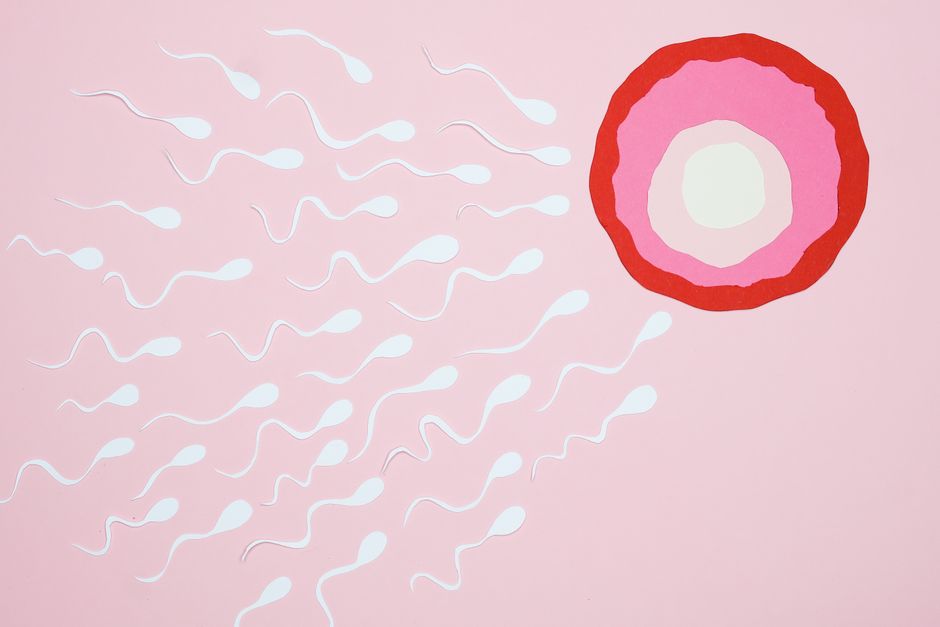
Estradiol does not reliably prevent ovulation on its own. In fact, it is the primary hormone that triggers ovulation. However, in specific medical contexts, certain forms of estradiol are used as part of combination birth control to suppress ovulation, so the answer genuinely depends on the dose, the timing, and what other hormones are involved.
What Is Estradiol and What Does It Normally Do?
Estradiol is the main estrogen your body produces during your reproductive years. It is made mostly by the ovaries. It drives the development of female sexual characteristics, regulates the menstrual cycle, and prepares the uterus for pregnancy.
During a typical cycle, estradiol levels rise in the first half. That rise is what signals the brain to release luteinizing hormone (LH). The LH surge is the final trigger for ovulation. So in a natural cycle, estradiol does not prevent ovulation — it causes it.
Does Estradiol Prevent Ovulation It Depends on the Form
Here is where the confusion starts. Estradiol can be given in different ways. A patch, a pill, a vaginal ring, or an injection all deliver the hormone differently. The form matters a great deal for how it affects ovulation.
When estradiol is used alone — for example, as hormone replacement therapy for menopause — it does not reliably stop ovulation. In younger women who still ovulate, estrogen-only therapy can even stimulate the ovaries. It is not a contraceptive.
However, when estradiol is combined with a progestin (a synthetic form of progesterone), it can prevent ovulation. This is the basis of most combined birth control pills, patches, and rings. The progestin is the main agent that suppresses ovulation. The estrogen helps control bleeding and reduces side effects like breakthrough bleeding.
Why Progestin Is the Real Ovulation Blocker
The progestin component works by sending a steady signal to the pituitary gland in the brain. That signal suppresses the LH surge. Without an LH surge, the egg is never released, even if the follicle matures.
Estradiol also contributes. It helps stabilize the uterine lining and prevents the follicle from maturing too quickly. But the progestin is doing the heavy lifting. If you take estrogen alone, the brain still gets the signal to release LH. Ovulation continues.
This distinction matters for anyone using birth control. If you are on a combined pill, the estrogen is not what prevents pregnancy. The progestin is. The estradiol in the pill is there to make the cycle more predictable and reduce side effects.



Can Estradiol Alone Ever Stop Ovulation?
There is one situation where high-dose estrogen alone can suppress ovulation. Some emergency contraceptive pills use a high dose of estrogen to delay ovulation. These are less common now because progestin-only emergency contraceptives work better with fewer side effects.
Even in that case, the effect is temporary and dose-dependent. A standard estradiol patch or cream will not stop ovulation. Only a specifically formulated high-dose regimen would have any effect, and that is not used for routine contraception.
For ongoing birth control, estrogen alone is not approved by regulators. It is not reliable. The evidence shows that progestin is required for consistent ovulation suppression.
What About Estradiol During Fertility Treatment?
In fertility treatment, estradiol is sometimes used for a completely different reason. During an IVF cycle, doctors may use estradiol to prepare the uterine lining for embryo transfer. In that context, ovulation is suppressed using a separate medication called a GnRH agonist or antagonist.
Some patients wonder if their estradiol patches are preventing ovulation during treatment. They are not. The GnRH medication is doing that job. The estradiol is only preparing the lining of the uterus.
This is a common point of confusion. Patients see estradiol in their medication list and assume it is affecting ovulation. It is not. The effect on ovulation depends entirely on what else is being used.
How Birth Control Pills Use Ethinyl Estradiol Differently
Most combined birth control pills do not actually contain estradiol. They contain ethinyl estradiol, a synthetic estrogen that is more potent and lasts longer in the body. This is a different molecule from the estradiol your body produces.
There is also a newer pill that uses estetrol, another estrogen-like hormone. But the classic birth control pill uses ethinyl estradiol. The distinction matters because these synthetic estrogens behave differently from bioidentical estradiol.
When people ask whether estradiol prevents ovulation, they may be thinking of the estrogen in birth control pills. But the estrogen in the pill is not estradiol. It is a modified version designed specifically for contraception.
What Happens If You Take Estradiol While Still Ovulating
If you are premenopausal and take estradiol — for example, for hormone therapy after a hysterectomy — you will likely continue to ovulate. Your ovaries still respond to signals from your brain. The extra estrogen does not shut that system down.
In fact, in some cases, estrogen therapy can increase the risk of ovulation or lead to more irregular cycles. This is why women who still have a uterus are usually prescribed a combination of estrogen and progestin. The progestin protects the uterine lining from overgrowth, which can lead to cancer.
If you are taking estradiol and do not want to get pregnant, you need a separate form of contraception. Estradiol alone is not a contraceptive.
Estradiol Levels and Ovulation Prediction
Some people track estradiol levels to predict ovulation. Fertility awareness methods sometimes use estradiol test strips that measure the hormone in urine. Rising estradiol levels indicate that ovulation is approaching.
This is the opposite of prevention. A rise in estradiol is a sign that ovulation is about to happen. It is used to time intercourse for conception, not to avoid pregnancy.
Understanding this can help you interpret your own hormone tests. If you see your estradiol rising, that means your body is preparing to ovulate. It does not mean the estradiol is stopping anything.
When Estradiol Is Used With Progestin for Contraception
The combined contraceptive patch and vaginal ring both deliver ethinyl estradiol along with a progestin. They work the same way as the pill. The progestin suppresses ovulation, and the estrogen supports cycle control.
These methods are highly effective when used correctly. The failure rate with typical use is around 7 percent, according to data from the Centers for Disease Control and Prevention. With perfect use, the failure rate is under 1 percent.
But again, the estradiol component is not the active contraceptive ingredient. If you removed the estrogen from these products, the progestin alone would still prevent ovulation in most people. The estrogen is added for bleeding control and to reduce side effects like irregular spotting.
Key Takeaways
Estradiol does not prevent ovulation in its natural form or when used alone. It is the hormone that triggers ovulation in a normal cycle.
In combination birth control, a synthetic estrogen is paired with a progestin. The progestin does the work of stopping ovulation. The estrogen helps with cycle regulation.
If you are taking estradiol for menopause symptoms or any other reason and you are still ovulating, you need a separate contraceptive if you want to avoid pregnancy. No evidence supports estradiol alone as a method of birth control.
Frequently Asked Questions
Can estradiol pills stop ovulation?
No. Estradiol taken alone does not reliably stop ovulation. Only when combined with a progestin does the combination suppress ovulation, and the progestin is the active agent.
Is estradiol in birth control pills the same as natural estradiol?
No. Most birth control pills contain ethinyl estradiol, a synthetic estrogen that is more potent and longer-lasting than the estradiol your body produces naturally.
Will estradiol patches prevent pregnancy?
No. Estradiol patches used for hormone therapy do not prevent ovulation or pregnancy. You need a separate contraceptive method if you are still ovulating.
What hormone actually stops ovulation in birth control?
Progestin is the hormone that stops ovulation in combined birth control. The estrogen component supports cycle control but is not the primary ovulation blocker.
