
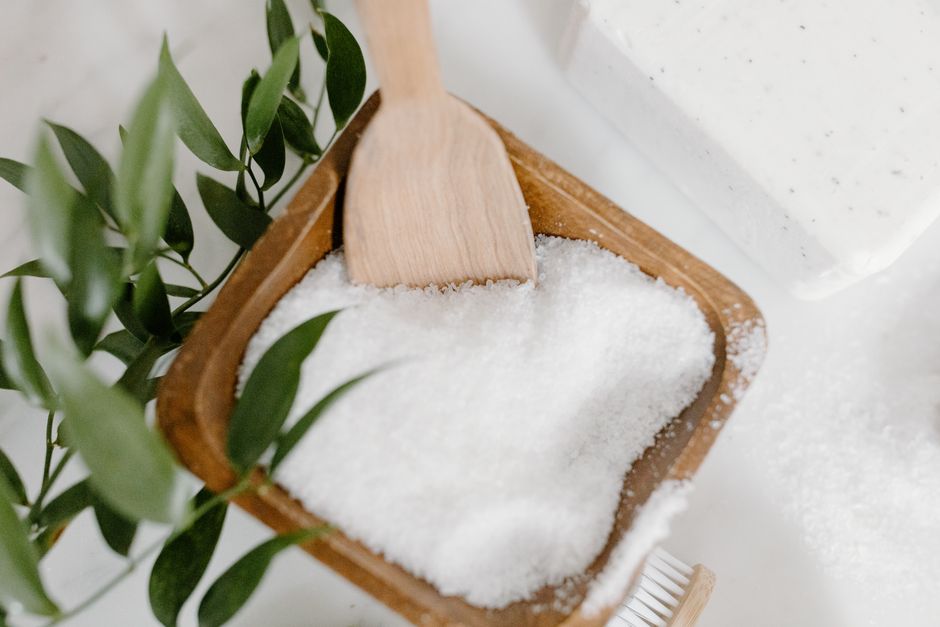
Epsom salt is magnesium sulfate, and it has been used for generations as a home remedy for sore muscles, stress, and skin issues. The honest answer is that soaking in Epsom salt feels good and may help with minor muscle soreness, but many of the boldest health claims attached to it go beyond what science has confirmed. It is a cheap, generally safe addition to a bath, but it is not a medical treatment for serious conditions.
What Is Epsom Salt Actually Doing in Your Bath?
Epsom salt is not the same as table salt. It is a chemical compound made of magnesium, sulfur, and oxygen. When you dissolve it in warm water, it breaks apart into magnesium and sulfate ions.
The theory behind Epsom salt baths is that your skin absorbs these minerals and that the magnesium raises levels inside your body. Magnesium is genuinely important. It supports muscle and nerve function, and many people do not get enough of it in their diets.
Here is where the evidence gets careful. Studies on how much magnesium actually passes through the skin during a bath are limited and results vary. Some research suggests measurable absorption, but other studies indicate the amount absorbed is small and unlikely to correct a true magnesium deficiency. If your magnesium levels are low, food sources like nuts, seeds, and leafy greens — or an oral supplement under medical guidance — are a more reliable way to address it.
Does Epsom Salt Work for Sore Muscles?
This is the most common reason people buy Epsom salt. The practical answer is that a warm bath can help soothe sore muscles regardless of what is dissolved in it. Heat increases blood flow, relaxes tense tissue, and simply feels restorative after exercise.
Whether the magnesium sulfate adds a specific benefit beyond the warm water alone is not clearly established. Some athletes report less soreness after Epsom salt baths, but no large human trials have confirmed that the salt itself speeds recovery or reduces inflammation more than plain warm water.
That does not mean the bath is useless. If you find it relaxing and it eases your discomfort, that is a real benefit. Just understand that the warm water is doing much of the work, and the evidence for magnesium absorption through the skin remains mixed.
Can Epsom Salt Baths Help You Sleep or Reduce Stress?
People often use Epsom salt baths to unwind before bed. There is a plausible reason for this. Magnesium plays a role in regulating the nervous system, and some studies suggest that adequate magnesium intake supports better sleep quality.
But again, the question is whether bath water magnesium affects your brain and nervous system meaningfully. The evidence that transdermal magnesium changes sleep or stress levels in a measurable way is not strong. What is well established is that a warm bath before bed can lower core body temperature afterward, which signals your body that it is time to sleep. That effect comes from the heat, not the salt.
If the ritual of an Epsom salt bath helps you wind down, keep it. It is a reasonable part of a bedtime routine. But if you are dealing with chronic insomnia or anxiety, treat the bath as comfort, not as a substitute for evidence-based care.





Does Epsom Salt Work for Skin Conditions?
Dermatologists sometimes recommend Epsom salt soaks for specific situations, but the evidence base is narrow. For minor skin irritation or after certain minor procedures, a soak can be soothing. Magnesium sulfate is also used in some wound care settings because it can draw fluid from tissues, which is why it is sometimes used for minor boils or splinters.
For conditions like eczema or psoriasis, the picture is different. No clinical evidence currently confirms that Epsom salt baths treat these conditions. Some people with eczema find baths helpful because they hydrate the skin, especially if they apply moisturizer immediately afterward. Others find any soak irritating. If you have a diagnosed skin condition, follow your dermatologist’s advice rather than relying on bath salts alone.
Is Epsom Salt Safe? What Are the Real Risks?
For most healthy adults, an Epsom salt bath is safe when used as directed. The typical recommendation is about two cups of Epsom salt dissolved in a standard bathtub of warm water. Soak for no more than 15 to 20 minutes.
There are real precautions to know. People with open wounds, severe skin infections, or burns should not soak without medical approval. Anyone with kidney disease, heart conditions, or diabetes should check with a doctor first because impaired kidney function can affect how your body handles magnesium. Pregnant women should also consult their obstetrician before using Epsom salt baths, especially in the third trimester.
Do not drink Epsom salt. Ingesting it is a laxative, and it can be dangerous in excess. Epsom salt is for bathing unless a healthcare provider specifically directs otherwise.
What About Epsom Salt for Constipation?
Oral Epsom salt is used as a laxative, and this is one area where it does have a documented effect. Magnesium sulfate draws water into the intestines, which softens stool and stimulates bowel movements.
This is not something to self-prescribe casually. The dose matters, and taking too much can cause serious side effects like dehydration, electrolyte imbalance, and dangerous changes in blood pressure. If you are considering Epsom salt for constipation, talk to a pharmacist or doctor about whether it is appropriate for you and what dose is safe.
Does Epsom Salt Work for Weight Loss or Detox?
No. Marketing claims that Epsom salt baths flush toxins or promote weight loss are not supported by clinical evidence. Your body removes waste through your liver and kidneys, not through your skin during a bath.
The weight you might lose during a soak is water weight from sweating, and it returns as soon as you rehydrate. There is no scientific basis for the idea that Epsom salt pulls toxins out of your body. If a product or influencer claims otherwise, treat that claim with skepticism.
How to Take an Epsom Salt Bath Properly
If you want to try it, the method is simple. Fill your tub with warm — not hot — water. Add about two cups of Epsom salt while the water is running to help it dissolve. Soak for 15 to 20 minutes.
Drink water before and after to stay hydrated. Rinse off afterward if your skin feels filmy or irritated. If you have sensitive skin, start with a smaller amount and see how your skin reacts. If you notice redness, itching, or a rash, skip the salt and use plain warm water instead.
There is no clinical guideline that defines a precise dose for every person. The two-cup figure is a common general recommendation, not a medically established standard. Adjust based on your comfort and your skin’s response.
The Bottom Line on Epsom Salt
Epsom salt baths are a pleasant, affordable self-care practice. They can help you relax, ease minor muscle tension through warmth, and soften the skin. Those benefits are real, even if they come mostly from the warm water and the ritual itself.
What Epsom salt is not, based on current evidence, is a cure for magnesium deficiency, a detox agent, a weight loss tool, or a treatment for serious medical conditions. If you have a health concern that involves magnesium levels, sleep, skin disease, or digestive issues, see a healthcare provider. Use the bath for what it is — a simple comfort — and do not expect it to do more than the science supports.
Frequently Asked Questions
Does Epsom salt actually relieve muscle pain?
A warm bath can ease muscle soreness, but the salt itself has not been proven to add benefit beyond the warm water. Some people find it soothing, which is a legitimate reason to use it.
Can you absorb magnesium from an Epsom salt bath?
Some studies suggest small amounts of magnesium can pass through the skin, but the evidence is mixed. A bath is not a reliable way to correct a magnesium deficiency.
Is it safe to take an Epsom salt bath every day?
For most healthy people, daily soaks are generally safe, but frequent bathing can dry out the skin. If you have kidney disease, heart problems, or are pregnant, ask your doctor first.
Does Epsom salt remove toxins from your body?
No clinical evidence supports the claim that Epsom salt baths remove toxins. Your liver and kidneys handle waste removal, not your skin.
