
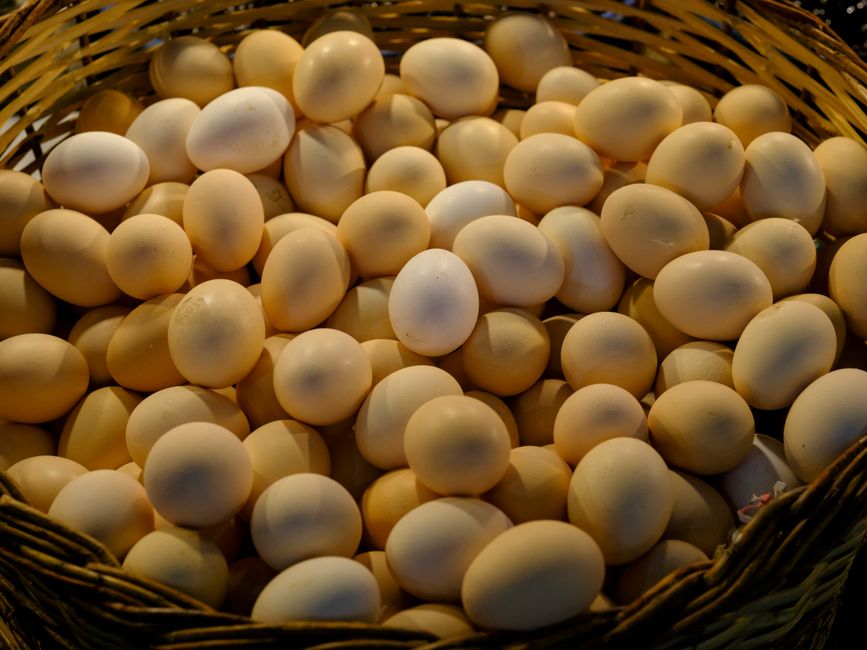
Yes, traditional eggnog contains eggs — and in most homemade recipes, those eggs go into the bowl raw. That single fact is why eggnog shows up in food safety warnings every December. The eggs are not cooked before you drink it, so any bacteria living in them end up in your glass.
Store-bought eggnog is a different story. Most commercial versions are pasteurized, which kills harmful bacteria. The risk sits almost entirely with homemade recipes that call for raw eggs and with drinks like eggnog that are made fresh at bars or parties.
Does Eggnog Have Eggs In It Raw Egg Safety Explained
Traditional eggnog is a stirred custard that never gets cooked. The classic method beats raw egg yolks with sugar, then folds in milk, cream, and often whipped egg whites. Some recipes call for the whole egg. Others use yolks only. Either way, the eggs are raw when the drink is served unless the recipe includes a heating step.
The reason raw eggs matter comes down to one bacterium: Salmonella. It can live inside a hen’s reproductive tract and end up inside a perfectly clean, uncracked shell. So you cannot inspect an egg or wash it and know whether it is contaminated. The bacteria can be present without any visible sign.
Estimates of how often eggs carry Salmonella vary by country and by flock. In the United States, the Food and Drug Administration has estimated that a small fraction of eggs contain the bacteria — well under one in every 10,000 in most assessments. That sounds reassuring until you consider how many eggs get used during the holidays. A single contaminated egg can sicken everyone who shares the bowl.
The symptoms of Salmonella infection typically appear within six hours to six days after eating contaminated food. Most people recover without treatment within a week, but the illness is not trivial. It causes diarrhea, fever, and abdominal cramps. For some people, it becomes far more serious.
Why Are Raw Eggs Risky in Eggnog?
Raw eggs are risky because Salmonella can survive in them and multiply once the egg is at room temperature. When you beat raw eggs into eggnog, you are not just adding flavor. You are creating a liquid that may carry live bacteria, and you are often leaving it out on a counter for hours.
Time and temperature make this worse. Eggnog is frequently served cold but sits at room temperature during parties. Bacteria grow fastest between 40°F and 140°F, the range food safety agencies call the “danger zone.” A bowl of raw-egg eggnog left out for a few hours gives any bacteria present a chance to multiply.
Alcohol does not reliably fix this. Many people assume the bourbon or rum in eggnog kills the bacteria. Some research suggests alcohol can reduce bacterial levels over time, but the effect depends on the proof of the liquor, the ratio of alcohol to egg, and how long the drink sits. There is no standard recipe where the alcohol content is guaranteed to make raw eggs safe. The United States Department of Agriculture and the Centers for Disease Control and Prevention both advise against eating raw or lightly cooked eggs, and neither endorses alcohol as a safety step.
So the honest position is this: the alcohol in eggnog is not a safety measure. Treat it as flavor, not protection.
Who Is Most at Risk From Raw Eggs?
Anyone can get sick from Salmonella, but some people face a much higher chance of severe illness. For these groups, a raw-egg eggnog is a genuine risk, not a minor one.
- Young children — their immune systems are still developing, and dehydration from diarrhea can escalate quickly.
- Adults 65 and older — immune function declines with age, and infections are more likely to spread beyond the gut.
- Pregnant women — Salmonella infection is dangerous for the mother and can, in rare cases, lead to serious complications for the pregnancy.
- People with weakened immune systems — including those undergoing cancer treatment, organ transplant recipients, and people living with certain chronic conditions. In these groups, Salmonella can enter the bloodstream and become life-threatening.
For a healthy adult, a Salmonella infection is usually miserable but survivable. For someone in these groups, the same drink can lead to hospitalization. That distinction matters when you are deciding what to serve at a gathering.





How Can You Make Eggnog Safe?
You can make eggnog safely by heating the egg mixture to a temperature that kills Salmonella. This is the single most effective step, and it does not require giving up the homemade version.
The method is a cooked custard base. Whisk the eggs and sugar together, then slowly add the milk while stirring constantly over low heat. Keep the mixture moving so the eggs do not scramble. Heat it until it reaches 160°F, the temperature the USDA identifies as sufficient to kill Salmonella in eggs. Use a food thermometer — you cannot judge this by look or feel. Once it hits 160°F, the bacteria are dead.
From there, chill the base quickly. Stir it over an ice bath or place it in the refrigerator. Add the alcohol and any whipped cream after the base has cooled. Keep the finished eggnog refrigerated and do not leave it out for more than two hours — one hour if the room is warm.
Other safe options exist if you would rather not cook anything:
- Pasteurized eggs — sold in many grocery stores, these have been heat-treated to kill bacteria while staying liquid. They can be used in recipes that call for raw eggs.
- Store-bought eggnog — commercial eggnog is typically pasteurized. Check the label to confirm.
- Egg-free recipes — you can make a spiced milk-and-cream drink without eggs at all. It will not have the same richness, but it removes the risk entirely.
Is Store-Bought Eggnog Safe to Drink?
Store-bought eggnog is generally safe because it is pasteurized. Pasteurization heats the liquid to a temperature that kills Salmonella and other harmful bacteria, then cools it quickly. This is the same process used for milk, and it is why commercial eggnog can sit in your refrigerator for weeks.
Check the label if you want certainty. Pasteurized products are usually marked as such, and most major brands use pasteurized eggs and milk. Unpasteurized or “raw” eggnog sold at a farm stand or specialty shop would be the exception, and those products should carry a warning.
One thing store-bought eggnog does not protect you from is time out of the refrigerator. Pasteurization kills bacteria at the time of processing. It does not stop new bacteria from growing if the carton sits on the counter. Once opened, treat it like milk — keep it cold and follow the date on the package.
Does Cooking Eggs Change the Taste of Eggnog?
Cooking eggs for eggnog changes the texture more than the flavor. A properly made cooked base is slightly thicker and silkier than a raw-egg version, and the difference is subtle. Most people cannot tell the two apart when the drink is well made and chilled.
The bigger risk with cooking is scrambling the eggs. If the heat is too high or you stop stirring, the eggs coagulate into lumps. The fix is low heat and constant motion. Adding the milk slowly, rather than all at once, also helps the eggs warm up gradually instead of cooking on contact.
Some recipes call for tempering — whisking a small amount of hot milk into the eggs first, then adding the rest. This raises the egg temperature slowly and makes scrambling less likely. It is a technique, not a guarantee, so a thermometer still matters.
Frequently Asked Questions
Does eggnog always contain raw eggs?
No. Traditional homemade eggnog often uses raw eggs, but store-bought eggnog is usually pasteurized and safe. Many homemade recipes also include a heating step that cooks the eggs to 160°F.
Can you get Salmonella from eggnog?
Yes, if the eggnog is made with raw or undercooked eggs that carry Salmonella. Pasteurized eggnog and eggnog made with a cooked base heated to 160°F do not carry this risk.
Does alcohol in eggnog kill bacteria?
Not reliably. Alcohol may reduce bacteria over time, but the effect depends on the type and amount of liquor and how long the drink sits. No standard recipe guarantees that alcohol makes raw eggs safe.
What temperature kills Salmonella in eggs?
Heating eggs to 160°F kills Salmonella, according to the USDA. Use a food thermometer to confirm the temperature, since you cannot judge it by appearance.
