
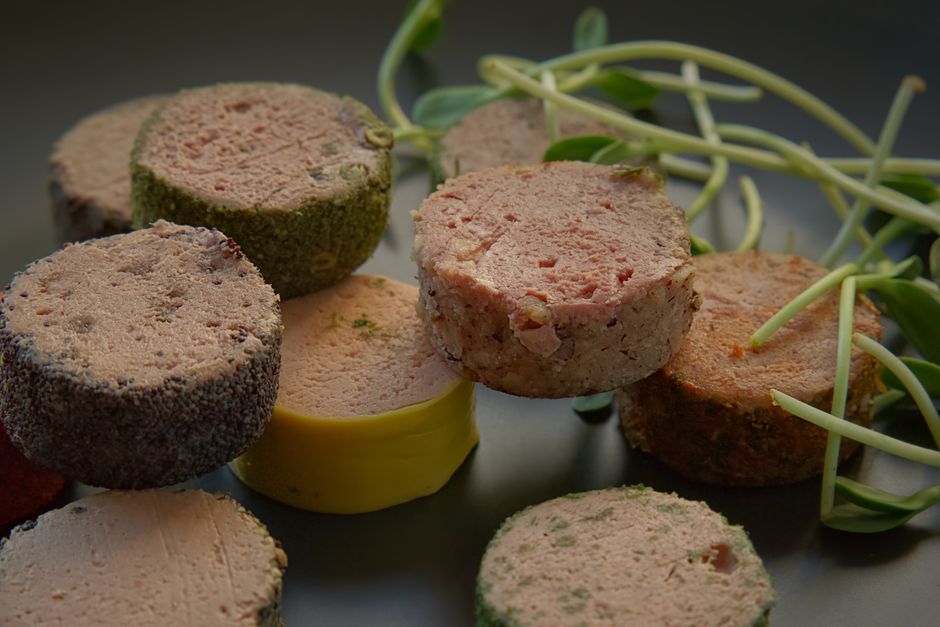
Liverwurst is one of the richest natural sources of iron you can put on a sandwich. A typical 2-ounce (56-gram) serving of pork liverwurst contains roughly 3 to 5 milligrams of iron, depending on the brand and recipe. That is more iron per ounce than most cuts of beef, and it comes in a form your body absorbs easily.
But iron is only part of the story. Liverwurst is also very high in vitamin A, fat, sodium, and cholesterol. Whether it belongs in your diet depends on what else you eat and how often you eat it. This article breaks down the actual nutrition facts, explains why liver iron absorbs so well, and covers who should be careful with it.
Is Liverwurst High In Iron Nutrition Facts Explained
Yes, liverwurst is genuinely high in iron. The main ingredient is usually pork liver, sometimes combined with pork meat and fat. Liver is a storage organ for iron, which is why it contains far more of the mineral than muscle meat does.
Iron content varies by brand because recipes differ. Some liverwurst is mostly liver; others stretch the liver with added pork and fat. A reasonable range is about 1.5 to 2.5 milligrams of iron per ounce. That means a 2-ounce serving lands somewhere around 3 to 5 milligrams.
For context, the Recommended Dietary Allowance for iron is 8 milligrams per day for adult men and 18 milligrams per day for adult women aged 19 to 50, according to the National Institutes of Health. A single small serving of liverwurst can cover a meaningful share of that.
What Else Is In Liverwurst
Iron is not the only nutrient worth knowing about. A 2-ounce serving of pork liverwurst typically provides:
- Around 160 to 180 calories
- Roughly 14 to 16 grams of fat
- About 6 to 8 grams of protein
- Very high vitamin A, often several times the daily requirement
- Significant vitamin B12, riboflavin, and selenium
- Roughly 500 to 600 milligrams of sodium
- Around 60 to 80 milligrams of cholesterol
Those numbers shift with the recipe. The vitamin A figure is the one that surprises most people. Liver is so concentrated in vitamin A that a small portion can exceed a full day’s requirement by a wide margin.
Why Is The Iron In Liverwurst Absorbed So Well?
Iron comes in two forms in food: heme and non-heme. Heme iron is found in animal tissues. Non-heme iron comes from plants and fortified foods. Your body absorbs heme iron far more efficiently — generally in the range of 15 to 35 percent, compared with roughly 2 to 20 percent for non-heme iron.
Liverwurst delivers mostly heme iron. That is the key advantage it holds over spinach, lentils, or fortified cereal, even when those foods list comparable iron numbers on a label. The label number tells you what is in the food. It does not tell you how much your body will actually take in.
This is the part most iron charts leave out. A cup of cooked spinach and a small serving of liverwurst might look similar on paper. In practice, the liverwurst iron is more available to your body.
Absorption also depends on what else is on your plate. Vitamin C boosts non-heme iron absorption. Calcium and certain compounds in tea and coffee can reduce it. With heme iron, these interactions matter much less.
How Does Liverwurst Compare To Other Iron-Rich Foods?
Liverwurst holds up well against most common iron sources. The table below shows approximate iron content per 2-ounce (56-gram) serving for several foods. These are general ranges, not exact brand values.
| Food (2 oz / 56 g) | Approximate Iron | Iron Type |
|---|---|---|
| Pork liverwurst | 3–5 mg | Mostly heme |
| Beef liver | 5–7 mg | Mostly heme |
| Lean beef steak | 1.5–2.5 mg | Heme |
| Chicken liver | 5–6 mg | Mostly heme |
| Canned sardines | 1.5–2 mg | Heme |
| Cooked lentils (1 cup) | 6–7 mg | Non-heme |
| Fortified oatmeal (1 cup) | 3–4 mg | Non-heme |
Notice that lentils and oatmeal show solid numbers. Their iron is non-heme, though, so your body absorbs a smaller share of it. Plain beef liver edges out liverwurst on iron, but liverwurst is more commonly eaten as a ready-to-spread food.
If iron is your main goal, liverwurst is a strong choice. If you are watching saturated fat and sodium, the comparison looks different.




Who Should Be Careful With Liverwurst?
Liverwurst is not a food everyone can eat freely. Several groups have real reasons to limit it or avoid it.
Pregnant women face two concerns. First, liverwurst is a deli-style product typically eaten cold, and cold deli meats can carry Listeria, a bacteria that is especially dangerous during pregnancy. Second, the vitamin A in liver is preformed retinol, and high intakes of preformed vitamin A have been linked to birth defects. Health agencies generally advise pregnant women to avoid liver and liver products for this reason.
People with high cholesterol or heart disease may want to limit liverwurst. It is high in saturated fat and cholesterol. Current dietary guidance focuses more on saturated fat than on dietary cholesterol for most people, but liverwurst is high in both.
Anyone watching sodium should read labels. A 2-ounce serving can carry 500 to 600 milligrams of sodium, which is a substantial share of the recommended daily limit.
People with iron overload conditions such as hemochromatosis should be cautious with any high-iron food. In these conditions the body absorbs and stores too much iron, and a diet heavy in heme iron can add to the problem. Anyone with this diagnosis should follow their doctor’s guidance rather than a general nutrition article.
For healthy adults without these conditions, occasional liverwurst is not a concern for most people. The word to hold onto is occasional.
Can Liverwurst Help With Iron Deficiency?
Liverwurst is a concentrated source of well-absorbed heme iron, which is exactly the type that helps most with iron deficiency. That part is well established.
What is not established is whether eating liverwurst alone can correct a diagnosed deficiency. Iron deficiency anemia is a medical condition with a cause that needs to be identified. It can stem from heavy menstrual bleeding, gastrointestinal bleeding, poor absorption, or low dietary intake. Food alone may not be enough, and in many cases clinicians prescribe iron supplements at doses far higher than any food provides.
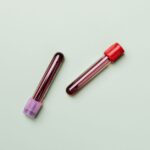
If you think you are iron deficient, the useful step is a blood test, not a dietary experiment. Symptoms like fatigue, pale skin, and shortness of breath are nonspecific and can have many causes. A doctor can measure ferritin, hemoglobin, and related markers and figure out what is actually going on.
Diet can absolutely support iron status. Liverwurst is one tool among several. It is not a treatment for a diagnosed deficiency on its own.
How Much Liverwurst Is Reasonable?
There is no official recommended serving size for liverwurst, because it is not a food that guidelines single out. What guidelines do address is the nutrients inside it.
A practical approach many dietitians suggest is to treat liverwurst as a condiment rather than a main protein. A thin spread on toast or a small portion in a sandwich delivers the iron and B vitamins without pushing vitamin A, sodium, and saturated fat too high.
Frequency matters more than any single serving. Eating liverwurst daily is very different from eating it a few times a month. For most healthy adults, the occasional small serving fits without much concern. For pregnant women, the guidance is to skip it.
If you enjoy liverwurst mainly for the iron, there is a broader point worth keeping in mind. A varied diet with several iron sources — meat, poultry, fish, beans, and fortified grains — tends to serve you better than leaning hard on any single food. Liverwurst can be one of those sources. It does not need to be the only one.
Frequently Asked Questions
How much iron is in a serving of liverwurst?
A typical 2-ounce serving of pork liverwurst contains roughly 3 to 5 milligrams of iron, though this varies by brand and recipe. Liverwurst made with a higher proportion of liver will sit at the upper end of that range.
Is liverwurst a good source of heme iron?
Yes, most of the iron in liverwurst is heme iron, the form your body absorbs most efficiently. This gives it an absorption advantage over plant sources like lentils or spinach, even when the label numbers look similar.
Can pregnant women eat liverwurst?
Health agencies generally advise pregnant women to avoid liver and liver products, including liverwurst, because of the high preformed vitamin A content and the Listeria risk in cold deli meats. Follow your doctor’s guidance on this rather than general nutrition advice.
Does eating liverwurst treat iron deficiency anemia?
No, liverwurst is a high-iron food but it is not a treatment for diagnosed iron deficiency anemia. If you suspect a deficiency, get a blood test, because the cause needs to be identified and treatment often requires prescribed iron at doses food cannot provide.
