
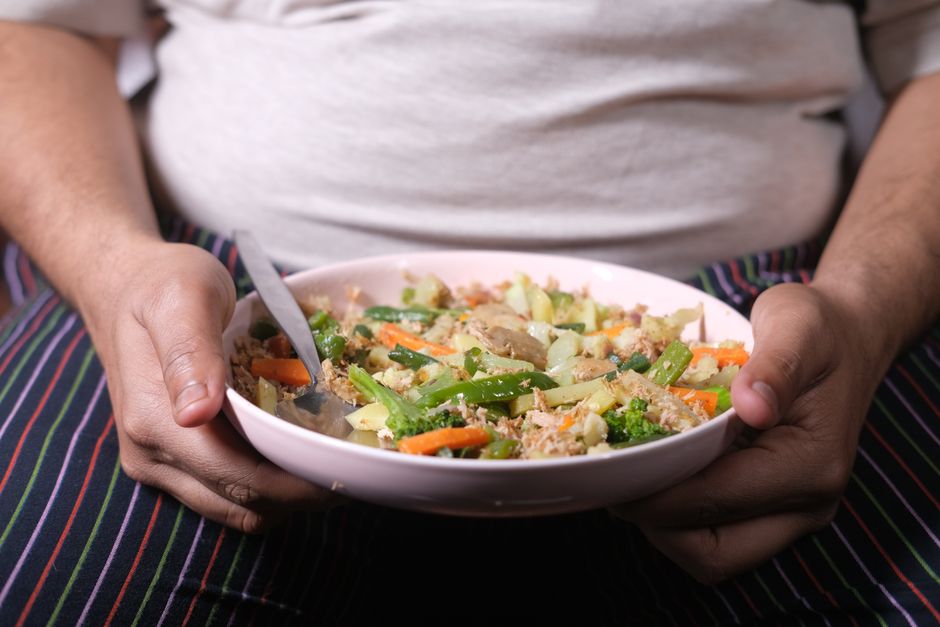
Eating fat does not automatically make you gain weight. Weight gain happens when you eat more calories than your body burns, regardless of where those calories come from. Fat is the most calorie-dense nutrient, but it is also an essential part of a healthy diet. The real question is not whether fat makes you gain weight, but how much you eat and what kind of fat you choose.
Does Eating Fat Make You Gain Weight The Truth
Fat is not the enemy it was once made out to be. For decades, low-fat diets were promoted as the best way to stay slim. Research has since shown that this approach did not solve the obesity problem. In fact, many low-fat products replaced fat with sugar and refined carbohydrates, which may have contributed to weight gain.
Your body needs dietary fat. It helps you absorb certain vitamins, supports cell function, and helps produce hormones. The issue is not fat itself. The issue is eating too many calories from any source. A gram of fat contains 9 calories, while a gram of protein or carbohydrate contains 4 calories. That difference matters because it is easy to eat more calories when you eat fatty foods.
How Fat Is Digested and Stored in the Body
When you eat fat, your body breaks it down into fatty acids and glycerol. These are absorbed in the small intestine and then carried through the bloodstream. Some of these fats are used immediately for energy. The rest are stored in fat cells for later use.
Your body stores excess calories as fat no matter what you ate. If you eat more carbohydrates than you need, the body converts the extra into fat. If you eat more protein than you need, the same thing happens. The body does not care much about the source of excess calories. It stores them the same way.
That said, fat is stored more efficiently than other nutrients. The body uses less energy to turn dietary fat into body fat than it does to turn carbohydrates into body fat. This is a small difference, but it is real. It does not mean fat makes you gain weight on its own. It means that overeating fatty foods can add up quickly.
Why Low-Fat Diets Often Fail
Many people assume that cutting fat from their diet will lead to weight loss. That assumption has been tested. Studies have compared low-fat diets to other eating patterns, and the results are consistent: low-fat diets are not superior for long-term weight loss.
One reason is that fat helps you feel full. Meals that contain some fat are more satisfying than meals that are purely carbohydrates. When people cut fat out completely, they often feel hungry sooner and eat more later in the day. This can cancel out the calorie savings from skipping fat.
Another issue is that low-fat processed foods often contain added sugar to improve taste. A low-fat muffin might have as many calories as a regular muffin, but with more sugar and less nutritional value. People who eat these products may believe they are making a healthy choice when they are not.



Healthy Fats vs. Unhealthy Fats
The type of fat you eat matters for your health. Unsaturated fats, found in olive oil, avocados, nuts, and fatty fish, are associated with better heart health. These fats can be part of a healthy diet and do not need to be avoided.
Saturated fats, found in red meat, butter, and full-fat dairy, are more debated. Some research suggests that replacing saturated fats with unsaturated fats reduces heart disease risk. The evidence on whether saturated fat itself causes heart disease is mixed. Most experts recommend limiting saturated fat, but not eliminating it.
Trans fats are the ones to avoid. These are artificially created fats found in some processed foods, fried foods, and baked goods. Trans fats raise bad cholesterol and lower good cholesterol. Many countries have banned them, and most major food manufacturers have removed them. But it is still worth checking labels.
Replacing saturated fat with refined carbohydrates does not improve health. This was a common mistake during the low-fat era. The better swap is replacing saturated fat with unsaturated fat from plants or fish.
How Much Fat Should You Eat
There is no single number that works for everyone. Your calorie needs depend on your age, sex, activity level, and body composition. But general guidance exists for the proportion of calories that should come from fat.
Most dietary guidelines suggest that 20 to 35 percent of your daily calories should come from fat. For someone eating 2,000 calories per day, that is roughly 44 to 78 grams of fat. This range is broad enough to accommodate many different eating styles.
If you are trying to lose weight, the math is simpler. You need to create a calorie deficit. You can do this by eating less fat, less carbohydrates, or less protein. The approach that works best is the one you can stick with consistently. Some people do well with lower-carb diets that are higher in fat. Others do better with balanced meals that include moderate amounts of all nutrients.
Does Eating Fat Increase Your Risk of Disease
Dietary fat has been linked to heart disease, but the relationship is more complex than once thought. The original research from the mid-20th century pointed to saturated fat as a major cause of heart disease. More recent studies have questioned the strength of that connection.
What is clear is that replacing saturated fat with unsaturated fat reduces heart disease risk. What is less clear is whether saturated fat alone is harmful when consumed in moderate amounts. Some research suggests that the risk depends on what you replace it with. Swapping butter for olive oil is likely beneficial. Swapping butter for white bread is not.
The evidence is also clear that trans fats are harmful. These should be avoided entirely. If a food label lists partially hydrogenated oil, it contains trans fats, even if the label says zero grams. This is a legal loophole that allows small amounts to be listed as zero.
Practical Tips for Including Fat in Your Diet
You do not need to fear fat. You need to be mindful of portions. A handful of nuts is a healthy snack. A whole can of nuts is too many calories for most people. Cooking with olive oil is fine. Drenching food in oil is not.
Here are some simple ways to include healthy fats without overdoing it:
- Use olive oil or avocado oil for cooking instead of butter or lard.
- Add avocado to salads or sandwiches instead of cheese or creamy dressings.
- Eat fatty fish like salmon or sardines once or twice a week.
- Choose nuts and seeds as snacks instead of chips or crackers.
- Read nutrition labels and pay attention to serving sizes.
These changes are not about eliminating fat. They are about choosing better sources and controlling portions. Fat is a necessary part of your diet. The goal is to eat the right amount of the right kinds.
What the Research Actually Shows
Large studies have compared low-fat and low-carb diets head to head. The results are remarkably consistent. People lose weight on both approaches. The difference in weight loss between them is small and often not statistically significant at one year.
The more important factor is adherence. People lose more weight when they stick to their chosen diet, whether it is low-fat or low-carb. This means the best diet is the one you can sustain. If you hate counting carbohydrates, a low-carb diet will not work for you. If you feel deprived without fat, a very low-fat diet will not work either.
Some research suggests that higher-protein diets help with weight loss because protein is more filling than fat or carbohydrates. This is not a reason to cut fat. It is a reason to make sure you are getting enough protein alongside your fats and carbohydrates.
Frequently Asked Questions
Will eating fat at night make me gain more weight?
No, eating fat at night does not cause more weight gain than eating the same food during the day. Weight gain depends on total calories consumed over time, not the time of day you eat.
Is saturated fat really bad for you?
Saturated fat is not as harmful as once believed, but replacing it with unsaturated fats is linked to better heart health. The evidence on moderate saturated fat intake is mixed, so most experts recommend limiting it without eliminating it entirely.
Can I eat high-fat foods and still lose weight?
Yes, you can lose weight eating high-fat foods as long as you maintain a calorie deficit. Foods like avocado, nuts, and olive oil are calorie-dense, so portion control is essential.
What is the healthiest fat to cook with?
Olive oil and avocado oil are good choices because they are high in monounsaturated fats. Coconut oil is popular but high in saturated fat, so it is not the best everyday option.
Fat is not your enemy. Overeating is. The truth is that fat is a calorie-dense nutrient your body needs, and it can be part of a healthy diet that supports weight management. The key is choosing unsaturated fats most of the time, controlling portions, and paying attention to your total calorie intake.
