
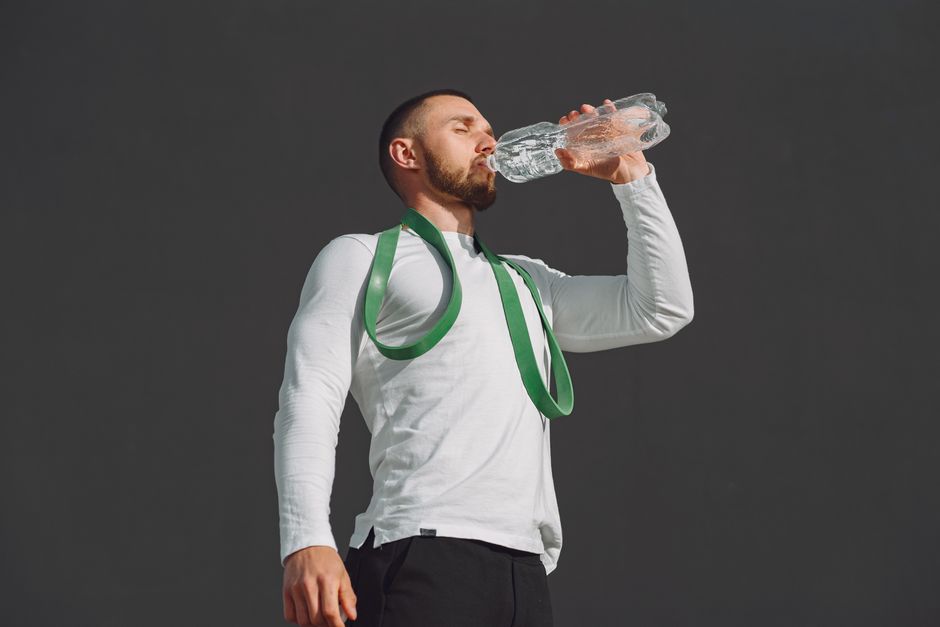
No, drinking pop does not dehydrate you. The caffeine in most sodas is a mild diuretic, meaning it makes you urinate more, but the water in the soda more than makes up for the fluid loss. Research shows that for healthy adults, moderate caffeine intake from soda does not lead to dehydration.
Does Drinking Pop Dehydrate You More Than Water?
This is the core question, and the answer is no. Water is the gold standard for hydration, but pop does not work against your body’s fluid balance. A 2014 study in the journal PLOS ONE compared the hydration effects of several beverages, including cola and diet cola, against water. The researchers found no difference in hydration levels between people who drank water and those who drank soda.
The study measured urine output, body weight, and blood markers over several hours. All beverages, including soda, kept people equally hydrated. The diuretic effect of caffeine is real, but it is weak. The amount of fluid in a 12-ounce can of soda is enough to cancel out any extra fluid you lose from urinating.
Does Caffeine in Pop Cause Dehydration?
Caffeine is a mild diuretic. It tells your kidneys to release more water into your bladder. But the effect is small and temporary. Your body builds a tolerance to caffeine’s diuretic effect over time. If you drink coffee or soda regularly, the effect is even less noticeable.
A classic study from 2002 in the Journal of the American College of Nutrition gave men either caffeinated or decaffeinated coffee and measured urine output. The researchers found no difference in hydration status between the two groups. The same principle applies to soda. The caffeine in a standard 12-ounce pop (about 30-50 mg) is not enough to cause dehydration in a healthy person.
The exception is people who suddenly consume high amounts of caffeine with no tolerance. A person who never drinks caffeine and then drinks several cans of soda in a short time might notice more frequent urination. Even then, the water in the soda prevents actual dehydration.
What About Sugar and Diet Soda?
Sugar itself does not cause dehydration. The concern with sugary drinks is that they can slow down how fast your stomach empties fluid into your intestines. This can delay hydration, but it does not cause dehydration. The sugar in a regular soda is around 30-40 grams per can. That is a lot of sugar from a health standpoint, but it does not pull water out of your body.
Diet soda uses artificial sweeteners. Some people report that diet soda makes them feel thirsty. There is no strong evidence that artificial sweeteners cause dehydration. Some studies suggest they may trigger a mild diuretic response in certain individuals, but the effect is inconsistent. The water in diet soda still hydrates you.




How Does Soda Compare to Other Drinks for Hydration?
A 2016 study in the American Journal of Clinical Nutrition ranked beverages by their hydration index. This index measures how much fluid a drink retains in the body after two hours compared to water. Water ranked first. Milk and oral rehydration solutions came next. Soda ranked similarly to coffee, tea, and fruit juice — all of which are hydrating.
The table below shows how common drinks compare for hydration. A score above 1.0 means the drink is more hydrating than water. A score below 1.0 means it is less hydrating.
| Beverage | Hydration Index Score |
|---|---|
| Water | 1.0 |
| Milk (skim) | 1.5 |
| Oral rehydration solution | 1.5 |
| Cola | 0.9 |
| Diet cola | 0.9 |
| Coffee (caffeinated) | 0.9 |
| Beer | 0.5 |
Soda scores slightly below water, but the difference is small. It is still a hydrating beverage. Beer, by contrast, scores much lower because alcohol is a strong diuretic. The comparison is useful context. Pop is not the best drink for hydration, but it does not dehydrate you.
Does Drinking Pop Dehydrate You When You Are Sick?
When you are sick with vomiting or diarrhea, your body loses fluids and electrolytes quickly. Pop is not a good choice in this situation. The sugar in regular soda can pull water into your intestines, which can make diarrhea worse. The carbonation can also upset an already sensitive stomach.
Oral rehydration solutions like Pedialyte are designed for this purpose. They have the right balance of sugar and electrolytes to help your body absorb water. If you do not have access to an oral rehydration solution, water is a better choice than soda. The CDC recommends avoiding sugary drinks during illness with fluid loss.
For everyday hydration in a healthy person, pop is fine. For rehydration after illness or intense exercise, it is not the right tool. The distinction matters. The question “Does drinking pop dehydrate you?” has a different answer depending on the context.
Common Misconceptions About Pop and Dehydration
One myth is that caffeine in soda “pulls” water out of your cells. That is not how diuretics work. Caffeine increases urine production by affecting kidney function, but it does not directly remove water from your body’s cells. The water in the soda replaces what you lose.
Another myth is that diet soda is worse for hydration than regular soda. Some people believe artificial sweeteners cause dehydration. The evidence does not support this. Both regular and diet soda hydrate the body about equally well. The main difference is the sugar content, not the hydration effect.
A third myth is that drinking soda contributes to chronic dehydration. This is widely claimed but not supported by research. For most people, soda is part of a normal fluid intake. The body regulates hydration through thirst and kidney function. As long as you drink when you are thirsty, soda will not leave you dehydrated.
When Can Soda Be a Problem for Hydration?
Soda can become a problem for hydration in specific situations. If you drink soda instead of water during intense exercise, you miss out on the rapid hydration that water provides. Soda’s sugar can slow stomach emptying, which delays fluid absorption. For athletes or people working in hot conditions, water is the better choice.
If you drink large amounts of soda daily, the caffeine can cause mild dependence. Withdrawal symptoms include headache and fatigue. These symptoms are not dehydration, but they can feel similar. Some people mistake caffeine withdrawal for dehydration.
For older adults, the risk is slightly different. Aging reduces the body’s ability to conserve water. Caffeine’s diuretic effect, while still mild, may be more noticeable. The National Institute on Aging advises older adults to drink water as their primary fluid source. Soda is not harmful, but water is a safer bet for maintaining hydration in this group.
Frequently Asked Questions
Does diet soda dehydrate you the same as regular soda?
Yes, both diet and regular soda hydrate the body about equally. The artificial sweeteners in diet soda do not cause dehydration.
How much soda can you drink without getting dehydrated?
There is no set limit for healthy adults. As long as you drink when you are thirsty and include other fluids, moderate soda intake will not cause dehydration.
Can drinking too much pop cause dehydration?
Only if it replaces all other fluids and you consume extreme amounts of caffeine. For most people, drinking pop in normal amounts does not cause dehydration.
Is it okay to drink pop when you are thirsty?
Yes, pop will hydrate you when you are thirsty. Water is a better choice, but pop will not make your thirst worse or dehydrate you.
