
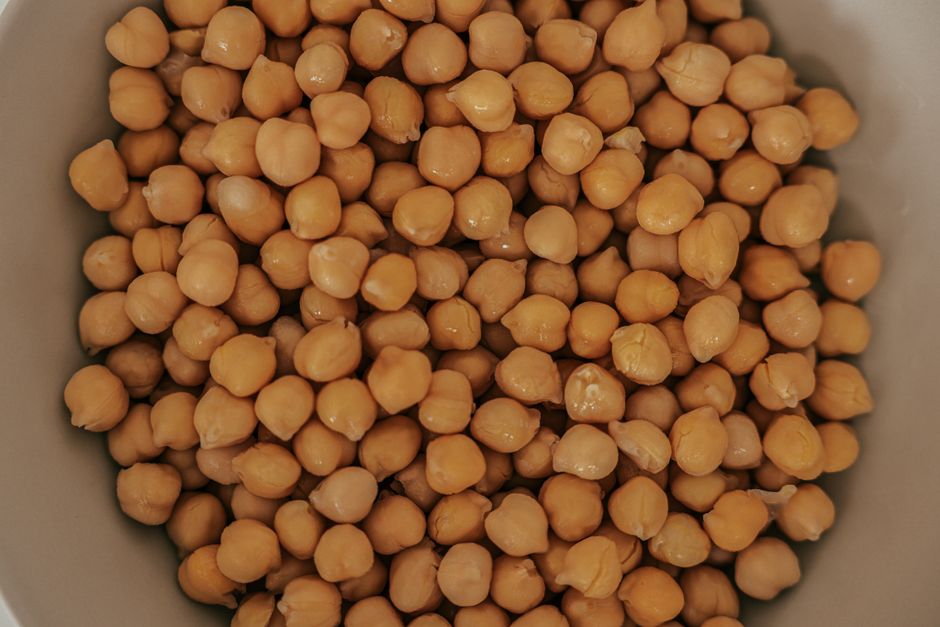
Yes. Beans contain L-lysine, and some types are among the better plant sources of this essential amino acid. The amounts vary widely by bean type, and how you prepare them matters too. If you are vegetarian, vegan, or simply trying to eat more plants, beans are a practical and affordable way to get lysine.
Lysine is one of nine amino acids your body cannot make on its own. You have to get it from food. That makes it worth knowing which foods actually deliver it, and beans do.
What Is L-Lysine and Why Does Your Body Need It?
L-Lysine is an essential amino acid. Your body uses it to build proteins, and it plays a direct role in collagen formation, calcium absorption, and the production of carnitine, a compound that helps your cells turn fat into energy.
Because your body cannot synthesize lysine, it must come from your diet. Most people eating a mixed diet get plenty without thinking about it. The people who need to pay closer attention are those eating limited diets, especially ones low in animal protein.
Lysine is often the “limiting” amino acid in grain-based diets. That means grains like wheat and rice are low in lysine relative to your body’s needs, even though they contain other amino acids in good amounts. Beans are high in lysine. This is why the classic pairing of rice and beans works so well nutritionally. Each food fills in what the other lacks.
Do Beens Have L-Lysine? A Closer Look at the Numbers
Beans do contain lysine, and in meaningful amounts. The exact content depends on the type of bean, whether it is cooked or raw, and how it was processed.
Here is a general comparison of lysine content across common beans, based on USDA nutritional data for cooked beans:
| Bean Type (1 cup cooked) | Protein | Lysine |
|---|---|---|
| Soybeans | ~29 g | ~1,800 mg |
| Lentils | ~18 g | ~1,200 mg |
| Kidney beans | ~15 g | ~1,000 mg |
| Black beans | ~15 g | ~1,000 mg |
| Chickpeas | ~15 g | ~1,000 mg |
| Pinto beans | ~15 g | ~950 mg |
These figures are approximate and vary by growing conditions, variety, and cooking method. The pattern is consistent though: soybeans lead the pack, followed closely by lentils and common beans. All are solid sources.
For context, the World Health Organization lists a daily lysine requirement of about 30 mg per kilogram of body weight for adults. For a 70 kg (154 lb) adult, that works out to roughly 2,100 mg per day. A single cup of cooked lentils gets you more than half of that.
Which Beans Have the Most Lysine?
Soybeans have the highest lysine content of any commonly eaten bean. One cup of cooked soybeans provides roughly 1,800 mg, which is close to the full daily requirement for many adults.
Lentils come next, with about 1,200 mg per cup. They are not technically beans in the botanical sense, but they belong to the same legume family and are used the same way in cooking.
Common beans — kidney, black, pinto, navy, and chickpeas — all land in the range of roughly 900 to 1,000 mg per cooked cup. That is a substantial contribution to daily intake.
One thing worth knowing: canned beans retain most of their lysine. The canning process does reduce some nutrients, but the protein and amino acid content stays largely intact. Rinsing canned beans reduces sodium without stripping much lysine.




Does Cooking Affect the Lysine in Beans?
Cooking does reduce lysine content somewhat, but the effect is modest for typical home cooking. Lysine is sensitive to high heat over long periods, and it can also participate in browning reactions that make it less available to your body.
Boiling, simmering, and pressure cooking beans cause some loss, but the majority remains. Standard soaking and cooking does not destroy lysine to any degree that would make beans a poor source.
What does matter more is very high-heat dry cooking or prolonged exposure to high temperatures, such as frying at high heat or extended baking. These methods can reduce lysine availability more than boiling does. For most people, this is not a practical concern.
One non-obvious point: the lysine in beans is less digestible than the lysine in animal proteins. Plant proteins generally have lower digestibility scores. This means the amount your body actually absorbs from beans is somewhat less than the total listed on paper. It is still a meaningful amount, but it is worth knowing that raw numbers do not tell the whole story.
How Do Beans Compare to Other Lysine Sources?
Animal proteins are denser sources of lysine. A cup of cooked chicken provides roughly 2,500 to 3,000 mg. A large egg has about 380 mg. A cup of milk has about 700 mg.
Among plant foods, beans are among the best sources. Other good plant sources include quinoa, amaranth, pistachios, pumpkin seeds, and tofu. But beans tend to be more affordable and more widely available than most of these.
For people eating a plant-based diet, beans are not just a good source of lysine — they are often the primary one. This is why nutrition guidelines for vegetarian and vegan diets consistently emphasize legumes.
If you are comparing beans to a lysine supplement, the comparison is not straightforward. Supplements deliver free lysine in a concentrated dose, often 500 to 1,000 mg per tablet. Food delivers lysine alongside other amino acids, fiber, vitamins, and minerals. For general nutrition, food is the better choice. For specific therapeutic uses of lysine, a supplement may be recommended by a clinician, but that is a different conversation.
Do You Need More Lysine Than Beans Can Provide?
For most adults eating a varied diet, beans provide more than enough lysine to meet daily needs. The WHO requirement of roughly 30 mg per kilogram of body weight is not hard to reach when legumes are part of your regular meals.
There are groups who may need to pay closer attention:
- Athletes in heavy training: Increased protein needs may push lysine requirements higher, though evidence on exact increased needs is limited.
- People recovering from illness or surgery: Protein needs rise during recovery, and lysine intake should rise with them.
- Growing children and adolescents: Requirements are higher per kilogram of body weight, and plant-based diets need to be planned carefully.
- Pregnant and breastfeeding women: Protein needs increase, and lysine intake should increase accordingly. No clinical guidelines currently specify a separate lysine dose for this group beyond general protein recommendations.
For these groups, beans can still be a primary source. The key is eating enough total protein and including lysine-rich foods regularly. A diet built entirely on grains without legumes will likely fall short on lysine.
Can You Get Too Much Lysine From Beans?
No. There is no established upper limit for lysine from food. Your body regulates amino acid levels and excretes what it does not need.
Very high doses of lysine from supplements have been associated with gastrointestinal discomfort in some people, and there are rare reports of other effects at extremely high intakes. But these are supplement-level doses, not amounts you would get from eating beans.
Eating beans as part of a normal diet does not pose a lysine toxicity risk. The bigger practical issue with beans for most people is digestive: beans contain oligosaccharides that can cause gas and bloating, especially if you increase your intake quickly.
Soaking beans thoroughly and cooking them well reduces these compounds. Starting with smaller portions and increasing gradually also helps your gut adjust.
Frequently Asked Questions
Do beans have L-lysine?
Yes, beans contain L-lysine, and many types are among the better plant sources of this essential amino acid. Soybeans, lentils, and common beans all provide meaningful amounts per cooked cup.
Which bean has the most lysine?
Soybeans have the highest lysine content, with roughly 1,800 mg per cooked cup. Lentils are next at about 1,200 mg per cup, followed by kidney, black, and pinto beans at around 900 to 1,000 mg.
Does cooking beans destroy lysine?
Cooking reduces lysine somewhat, but boiling and simmering leave the majority intact. Very high-heat dry cooking methods cause more loss than standard stovetop cooking.
Are beans a complete protein source for lysine?
Beans are high in lysine but low in methionine, while grains are the opposite. Eating beans with grains, like rice and beans, provides a more complete amino acid profile.
