
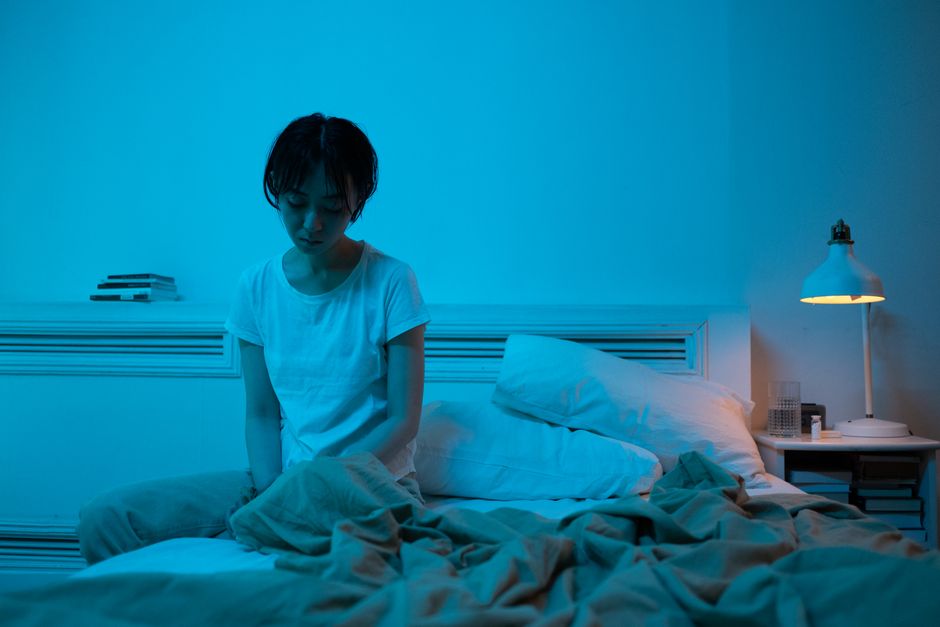
Depression can absolutely make you sleep too much. While insomnia is the sleep problem most people associate with depression, oversleeping—known medically as hypersomnia—is nearly as common. Research suggests that up to 40% of younger adults with depression experience hypersomnia, and it can affect people at any age. This isn’t a matter of laziness or a lack of discipline. It is a biological symptom of the illness itself, driven by changes in brain chemistry, energy regulation, and the body’s internal clock.
What Does Depression-Related Oversleeping Look Like?
Depression-related oversleeping is not the same as sleeping in on a Saturday. It is a pattern that disrupts daily life. People with this symptom often sleep nine, ten, or even twelve hours a night and still wake up feeling exhausted. They may also take long naps during the day without feeling refreshed.
This creates a frustrating cycle. The more you sleep, the less energy you have. The less energy you have, the harder it is to engage in activities that might help your mood. Over time, the sleep schedule drifts later and later, and the connection between night and day weakens.
Distinguishing depression-related oversleeping from simple tiredness matters for treatment. If oversleeping is caused by depression, treating the depression is the primary goal. If it is caused by another condition, the approach will differ.
Why Does Depression Cause Oversleeping?
The relationship between depression and sleep runs in both directions. Depression disrupts sleep, and poor sleep worsens depression. This creates a feedback loop that can be hard to break.
One key factor is disruption of the body’s circadian rhythm—the internal clock that regulates sleep and wakefulness. Depression can blunt the daily signals that tell your body when to be alert and when to sleep. This can make waking up in the morning feel nearly impossible and can push your natural sleep time later into the day.
Inflammation may also play a role. Some research suggests that depression is associated with low-grade inflammation in the body. This inflammatory state can produce fatigue and increase the need for sleep, similar to what happens when you fight off an infection.
Another factor is low energy and motivation. Depression reduces dopamine and norepinephrine activity in the brain—chemicals that promote alertness and drive. Without adequate levels of these neurotransmitters, getting out of bed requires enormous effort.
There is also a behavioral component. Sleep can become an escape from emotional pain. Lying in bed offers temporary relief from the heaviness of depression. This is understandable, but it can reinforce the oversleeping pattern.
Is Oversleeping a Symptom of Atypical Depression?
Yes. In fact, oversleeping is a hallmark feature of what psychiatrists call atypical depression. Despite the name, atypical depression is not rare or unusual. It is a specific subtype of major depressive disorder with distinct features.
People with atypical depression often experience:
- Heavy feeling in the arms or legs, sometimes called leaden paralysis
- Extreme sensitivity to rejection
- Increased appetite and weight gain
- Mood that temporarily brightens in response to positive events
- Sleeping too much rather than too little
This distinction matters because atypical depression may respond differently to treatment. Some studies suggest that people with atypical depression may respond better to certain classes of antidepressants, such as MAOIs, than to others. However, treatment decisions are highly individual and should always be guided by a psychiatrist or doctor.
Most people with depression do not fit neatly into one subtype. But recognizing the pattern of oversleeping can help your doctor better understand your specific experience of depression.





How Is Depression-Related Hypersomnia Different From Other Sleep Disorders?
Several conditions cause excessive sleepiness, and they are not the same as depression-related oversleeping. Getting the right diagnosis matters because treatments differ significantly.
Narcolepsy involves sudden, uncontrollable episodes of falling asleep during the day, often accompanied by sudden muscle weakness. Depression does not cause this. Sleep apnea causes breathing to stop repeatedly during sleep, leading to fragmented rest and daytime exhaustion. People with sleep apnea often snore loudly and wake up gasping.
Depression-related oversleeping is different. The person sleeps long hours without significant breathing disruptions, yet still feels unrefreshed. The exhaustion is tied to mood state rather than to broken sleep architecture.
These conditions can also coexist. Depression is more common in people with sleep apnea than in the general population. If you are being treated for depression but still feel profoundly sleepy after adequate sleep, it is worth asking your doctor about a sleep study to rule out other causes.
Certain medications can also cause daytime sleepiness or oversleeping. Some antidepressants, antihistamines, and medications for anxiety or pain can increase sleep drive. If your oversleeping began after starting a new medication, mention this to your doctor. A dose adjustment or a switch to a different medication may help.
Why Waking Up Feels Impossible With Depression
Morning is often the hardest time of day for people with depression. This is not just a feeling—it has a biological basis. Cortisol, a stress hormone that helps promote wakefulness, normally peaks in the early morning hours. In many people with depression, this cortisol awakening response is blunted or delayed.
Additionally, the motivation circuits in the brain are underactive. The same neural pathways that drive you to get up and start your day are quieted by depression. It is not that you don’t want to get up. It is that the brain systems that translate wanting into action are not functioning normally.
This is why well-meaning advice like “just get out of bed” rarely works. The problem is not a lack of willpower. It is a chemical and neurological issue that requires treatment.
Does Depression Make You Sleep Too Much or Too Little?
Both. Depression is unusual in that it can cause opposite sleep problems in different people. Some people with depression struggle to fall asleep or wake repeatedly through the night—this is insomnia. Others sleep excessively—this is hypersomnia.
Some people even experience both at different times. They might have trouble falling asleep at night, then sleep excessively on weekends or during depressive episodes. The specific sleep pattern does not determine whether someone has depression. What matters is that sleep is disrupted and unrefreshing.
Interestingly, oversleeping may be more common in certain groups. Some research indicates that hypersomnia is more prevalent in younger people with depression and in those with seasonal affective disorder, a type of depression linked to reduced daylight in winter months.
Regardless of whether you sleep too much or too little, the treatment approach starts with addressing the underlying depression. As mood improves, sleep typically normalizes.
How Is Depression-Related Oversleeping Treated?
Treatment for depression-related oversleeping focuses on treating the depression itself. Antidepressant medications can help regulate sleep patterns, though some may cause drowsiness as a side effect. If a medication makes oversleeping worse, a doctor may adjust the dose or prescribe a more activating antidepressant.
Psychotherapy, particularly cognitive behavioral therapy for depression, can help address the behavioral patterns that perpetuate oversleeping. A therapist can work with you to establish a consistent wake time, reduce daytime napping, and build a structured daily routine.
Light therapy is another option, especially for people with seasonal patterns. Exposure to bright light in the morning helps reset the circadian rhythm and can improve both mood and alertness.
Some general strategies can help restore a healthier sleep pattern:
- Set a fixed wake-up time and stick to it, even on weekends
- Expose yourself to natural light within an hour of waking
- Limit naps to 20-30 minutes and avoid napping late in the day
- Move your body during the day, even if it is just a short walk
- Keep the bedroom dark, cool, and reserved for sleep
These strategies are supportive, not curative. They work best alongside professional treatment for depression. If oversleeping persists despite treatment, your doctor may consider whether another sleep disorder is present.
When to Seek Professional Help
If you are sleeping excessively and it is interfering with your ability to work, maintain relationships, or care for yourself, speak with a doctor or mental health professional. This is especially important if you also experience low mood, loss of interest in activities, changes in appetite, or thoughts of hopelessness.
Oversleeping can be a symptom of depression, but it can also be a symptom of other medical conditions, including thyroid disorders, certain neurological conditions, and chronic fatigue syndrome. A thorough medical evaluation can help clarify what is driving your sleepiness.
Depression is a treatable condition. Oversleeping caused by depression usually improves as the depression lifts. Recovery takes time, and it is normal for sleep patterns to take weeks or months to fully normalize. Be patient with yourself and stay in communication with your healthcare provider about how your sleep is responding to treatment.
Frequently Asked Questions
Can depression make you sleep all day?
Yes, depression can cause people to sleep 10 or more hours a day and still feel tired. This is called hypersomnia and is a recognized symptom of depression, particularly atypical depression.
Why is oversleeping bad for depression?
Oversleeping disrupts the circadian rhythm, which can deepen depression and create a cycle of low energy and low activity. Staying in bed for long periods also reduces exposure to light and social interaction, both of which help regulate mood.
How many hours of sleep is too much for someone with depression?
Sleeping more than 9 hours per night on a regular basis and still feeling unrefreshed is generally considered excessive. The exact threshold varies by person, so what matters most is whether sleep is restorative and whether oversleeping interferes with daily functioning.
What is the best treatment for depression-related oversleeping?
The most effective approach treats the underlying depression with medication, therapy, or both, while also addressing sleep habits. A consistent wake time, morning light exposure, and limiting naps can help, but these strategies work best alongside professional treatment.
