
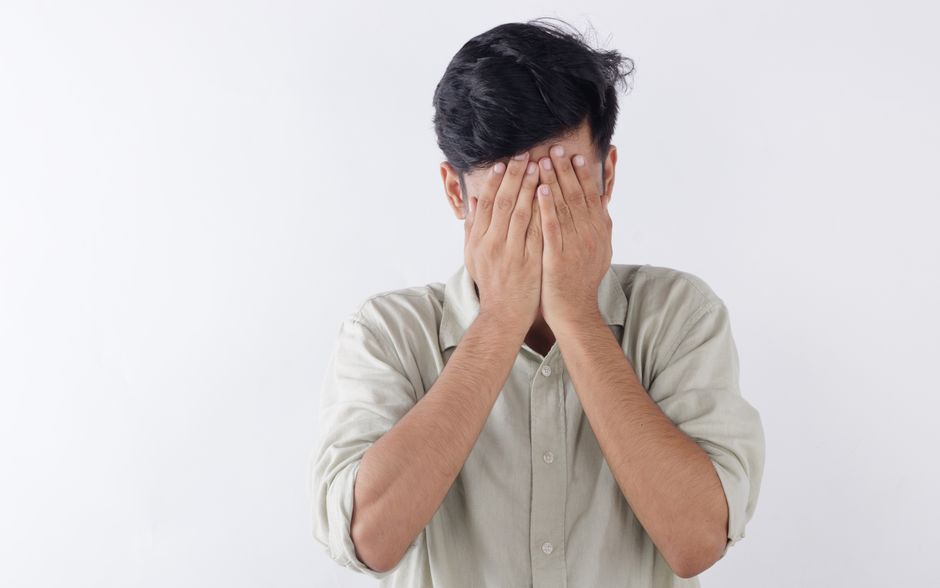
Depression affects far more than your mood, and for many people, those effects show up in the mirror. Yes, depression can change how your face looks, both temporarily and over longer periods. These changes come from a mix of hormone shifts, sleep disruption, changes in eating habits, and the physical toll that chronic stress takes on your body.
What Does Depression Do to Your Face?
The most visible changes are often the same ones friends and family notice before you say a word. Skin can look dull or pale. Eyes may appear tired, puffy, or less focused. The corners of the mouth might naturally turn downward, and facial muscles can seem slack or tense at the same time.
These changes are not imagined. They are the visible results of real biological processes happening in your body. When depression goes untreated for weeks or months, the physical signs often become more obvious.
Why Does Depression Change Your Facial Appearance?
Depression triggers a stress response in the body. This response raises cortisol levels, a hormone that affects nearly every system, including your skin. High cortisol can break down collagen, the protein that keeps skin firm and smooth. Over time, this can lead to more fine lines and a less elastic appearance.
Sleep is another major factor. Depression frequently disrupts sleep patterns, whether that means sleeping too much or too little. Poor sleep reduces blood flow to the skin, which makes it look paler and less vibrant. It also increases fluid retention around the eyes, causing puffiness and dark circles.
Eating habits often change with depression. Some people lose their appetite entirely. Others eat more comfort foods high in sugar and refined carbohydrates. Both patterns affect skin health. Dehydration alone can make skin look dry, flaky, and more wrinkled than it actually is.
Can Depression Permanently Change Your Face?
Most facial changes from depression are reversible. Once mood improves and sleep, eating, and stress levels return to normal, the face typically recovers. Skin regains color, puffiness subsides, and facial muscles relax back to their natural position.
However, some changes may leave lasting marks. Chronic depression that lasts for years can accelerate skin aging through sustained cortisol exposure. The breakdown of collagen and elastin over a long period can create permanent fine lines and wrinkles. These are the same aging processes that happen naturally, but depression can speed them up.
Weight changes from depression can also leave longer-lasting effects. Significant weight loss can make the face look gaunt or hollow. Significant weight gain can change facial contours. If weight changes are reversed, the face usually returns to its previous appearance, though skin elasticity may not fully recover, especially in older adults.





What Does the Science Say About Depression and Appearance?
Research in this area is still developing, but several studies have looked at how depression affects physical appearance. Some studies indicate that people with depression are rated as looking less healthy, less attractive, and more tired than people without depression. Facial expression analysis shows that people with depression display fewer positive expressions and more neutral or negative ones.
One area of research involves facial expressions and muscle movement. Depression is associated with reduced activity in the muscles used for smiling and increased activity in muscles used for frowning. Over time, this can create a resting facial expression that looks sad, worried, or flat. This is sometimes called “masked facies” or a flat affect, and it is a recognized symptom in clinical settings.
It is important to note that no large clinical trials have confirmed that depression directly causes specific permanent facial changes. The evidence is largely observational. What is clear is that depression changes behavior, sleep, diet, and stress levels, and those changes have visible effects on the face.
How Long Do Facial Changes From Depression Last?
The timeline depends on how long depression lasts and how quickly it is treated. Short-term changes like puffiness, paleness, and tired-looking eyes can improve within days or weeks once sleep and eating habits normalize. Deeper changes like fine lines from collagen breakdown take longer to reverse, and some may not fully reverse at all.
Treatment for depression often leads to visible facial improvement. Antidepressant medication can take four to six weeks to show full effects. Therapy can take longer. As mood lifts, sleep often improves, appetite normalizes, and energy returns. These changes show up in the face.
Some research suggests that people who recover from depression are later rated as looking more attractive and healthier than they did during the depressive episode. This supports the idea that most facial changes are state-based rather than permanent.
Can You See Depression in Someone’s Eyes?
People often describe the eyes of someone with depression as looking “empty” or “distant.” There is some science behind this. Depression affects eye contact behavior, blink rate, and pupil response. People with depression tend to make less eye contact and may have a slower blink rate.
The eyes can also look red or bloodshot from poor sleep, tearfulness, or eye strain. Dark circles under the eyes are common due to fluid retention and thinning skin from sleep deprivation. The area around the eyes is often the first place these changes become noticeable.
These eye changes are not a diagnostic tool. You cannot diagnose depression by looking at someone’s eyes. But they are real observable signs that something may be wrong.
What Can You Do About Depression-Related Facial Changes?
The most effective way to address facial changes from depression is to treat the depression itself. Skincare products and cosmetic procedures cannot fix the underlying issue. Once mood improves, most facial changes begin to reverse on their own.
In the meantime, simple habits can help. Drinking enough water supports skin hydration. Eating regular meals with adequate protein and vegetables provides nutrients that support skin health. Getting outside for even ten minutes of daylight can improve mood and vitamin D levels.
Sleep hygiene matters more than almost anything else. Going to bed and waking at consistent times, limiting screen time before bed, and avoiding caffeine in the afternoon can improve sleep quality. Better sleep shows up in the face quickly.
If you are experiencing depression, professional support is the most important step. A primary care doctor, psychiatrist, or therapist can help you find effective treatment. Depression is a medical condition, not a personal failure, and treatment works for most people.
When Should You See a Doctor?
If you notice changes in your face along with other depression symptoms, it is worth talking to a doctor. Symptoms like persistent low mood, loss of interest in activities, changes in sleep or appetite, difficulty concentrating, and thoughts of hopelessness all point to depression.
Facial changes alone are not a reason to seek depression treatment. But if you recognize a pattern of mood and appearance changes lasting more than two weeks, it is reasonable to bring it up with a healthcare provider. They can help you determine whether depression or another medical condition is causing your symptoms.
Some medical conditions other than depression can also change facial appearance. Thyroid disorders, chronic dehydration, autoimmune conditions, and certain nutritional deficiencies can cause similar visible changes. A doctor can help rule these out.
Does Treating Depression Reverse Facial Aging?
Treating depression can stop or slow the physical aging process that depression accelerates. Once cortisol levels return to normal, collagen breakdown slows to its natural rate. Skin may regain some firmness, though it will not fully recover what was lost.
Younger people generally see more complete reversal of facial changes because their skin has more natural elasticity and repair capacity. Older adults may see partial improvement but are less likely to fully reverse fine lines and wrinkles that developed during a depressive episode.
The honest answer is that treating depression improves your face, but it does not make you look younger than you would have without depression. The goal is to stop the accelerated aging and let your natural recovery processes work.
Frequently Asked Questions
Can depression make you look older?
Yes, depression can make you look older by accelerating collagen breakdown and disrupting sleep and nutrition. These effects are largely reversible with treatment, though some fine lines may persist.
Does your face go back to normal after depression?
Most facial changes from depression improve or fully reverse once mood, sleep, and eating habits stabilize. The extent of recovery depends on how long depression lasted and your age.
Can people tell you have depression by looking at your face?
People may notice that you look tired, sad, or unwell, but they cannot diagnose depression from appearance alone. Facial changes are common signs, not proof of depression.
How long does it take for your face to recover after depression?
Short-term changes like puffiness and paleness can improve within weeks of better sleep and nutrition. Deeper changes like fine lines may take months or may not fully reverse.
