
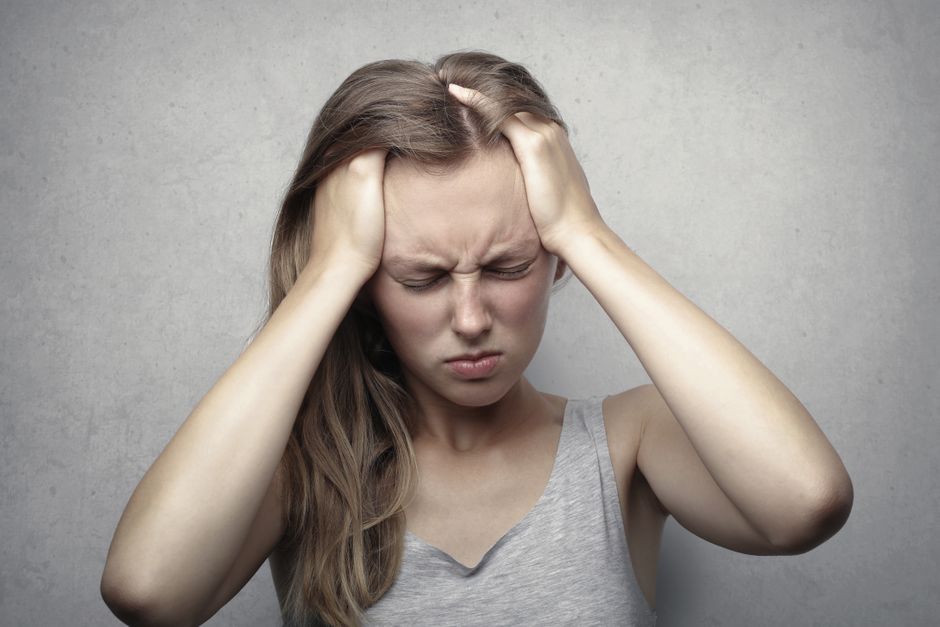
Depression doesn’t just make you sad. It can flatten everything — motivation, appetite, sleep, the ability to feel pleasure — and that flatness itself becomes a kind of pain. When people search for ways to “numb” that pain, they are usually looking for relief, not permanent numbness. The distinction matters, because the strategies that genuinely help depression reduce suffering over time rather than simply switching off feeling. Evidence-based options include psychotherapy, antidepressant medication when appropriate, regular physical activity, structured sleep routines, social connection, and treatment for any co-occurring conditions. Self-medicating with alcohol or drugs tends to worsen depression, not relieve it.
Why Depression Can Feel Like Pain
Depression is not a single experience. For some people it is heavy sadness. For others it is emptiness, irritability, or a physical ache that doesn’t have a clear source.
Research consistently shows that depression and physical pain share overlapping brain circuitry. The same pathways involved in processing emotional distress are involved in processing physical pain. That is one reason depression can feel like it hurts — not metaphorically, but in a way the body registers as real.
This overlap helps explain something important. When people describe wanting to “numb” depression, they are often describing a genuine neurological experience, not weakness or drama. The urge to escape that feeling is understandable.
The problem is that the fastest ways to numb — alcohol, drugs, compulsive distraction — tend to deepen depression over time. Alcohol is a central nervous system depressant. It can temporarily dull feelings, then worsen mood, disrupt sleep, and interfere with antidepressant medications. The relief is short and the cost is high.
What Actually Helps Reduce The Pain Of Depression?
The most reliable approaches to reducing depression-related suffering are the ones with the most research behind them. No single approach works for everyone, and most people benefit from combining more than one.
Psychotherapy is one of the best-supported treatments for depression. Cognitive behavioral therapy (CBT) and interpersonal therapy have decades of research showing they reduce depressive symptoms. Behavioral activation — a specific form of therapy focused on re-engaging with meaningful activity — is particularly effective for the withdrawal and inactivity that depression causes.
Antidepressant medication helps many people, particularly those with moderate to severe depression. These medications typically take several weeks to show full effect, and finding the right one can involve some trial and error. A prescribing clinician can explain what to expect and monitor for side effects.
Physical activity has consistent evidence for reducing depressive symptoms. The effect is not as large as medication for severe depression, but for mild to moderate depression, regular movement can meaningfully improve mood. The type matters less than consistency.
Sleep regulation is often overlooked. Depression and sleep problems feed each other. Disrupted sleep can worsen mood, and depressed mood can disrupt sleep. Working with a clinician on sleep timing and routine is a legitimate part of depression treatment, not a side issue.
Social connection — even when it feels impossible — has protective effects. Isolation deepens depression. This is one of the hardest things to act on when you are depressed, and it is also one of the most important.
For treatment-resistant depression, some clinicians use approaches like transcranial magnetic stimulation (TMS), ketamine-based treatments, or electroconvulsive therapy (ECT). These are not first-line options and require specialist evaluation. The evidence base varies by treatment and by patient population.
Does Numbing Depression With Alcohol Or Drugs Work?
No. This is one of the clearest findings in mental health research. Alcohol and recreational drugs may provide brief relief from emotional pain, but they consistently worsen depression over time.
Alcohol disrupts sleep architecture, lowers serotonin activity, and interacts dangerously with many antidepressant medications. Regular use can trigger or worsen depressive episodes. What feels like relief is often the early phase of a depressant effect that deepens mood problems.
Some people with depression also have a substance use disorder. When both conditions are present, treating only one rarely works well. Integrated treatment that addresses both at the same time has better outcomes than treating them separately.
If you are using alcohol or drugs to cope with depression, that is not a moral failure. It is a common response to real pain. It is also something a clinician can help with directly, without judgment.
Can Lifestyle Changes Really Reduce Depression Symptoms?
Some lifestyle factors have meaningful evidence behind them. Others are marketed far beyond what the research supports.
Exercise has the strongest evidence among lifestyle factors. Aerobic exercise and resistance training both show benefit in studies. The effect appears to be modest but real, particularly for mild to moderate depression.
Diet quality is an active area of research. Some studies suggest that Mediterranean-style eating patterns are associated with lower rates of depression, though it is difficult to separate diet from other lifestyle factors. The evidence is promising but not conclusive enough to present diet as a standalone treatment.
Light exposure matters for people whose depression has a seasonal pattern. Bright light therapy has reasonable evidence for seasonal affective disorder. For non-seasonal depression, the evidence is mixed.
Mindfulness and meditation show some benefit in studies, particularly for preventing relapse in people who have had multiple depressive episodes. Mindfulness-based cognitive therapy has been studied specifically for this purpose. It is not a replacement for treatment during an active severe episode.
Supplements marketed for depression vary widely in evidence quality. Some, like omega-3 fatty acids, have mixed findings. Others have little to no human trial support. Anyone considering a supplement should discuss it with a clinician, especially if they take other medications.
When Should You Get Professional Help For Depression?
Professional help is appropriate whenever depression interferes with daily functioning, lasts more than a couple of weeks, or includes thoughts of self-harm. Those are not arbitrary thresholds — they reflect when the risk of worsening becomes significant.
If you are having thoughts of suicide or self-harm, contact the 988 Suicide and Crisis Lifeline by calling or texting 988 in the US. This is available 24 hours a day.
Signs that professional evaluation is warranted include:
- Depressed mood most of the day, nearly every day, for two weeks or more
- Loss of interest or pleasure in activities that used to matter
- Significant changes in sleep or appetite
- Fatigue or loss of energy nearly every day
- Difficulty concentrating or making decisions
- Feelings of worthlessness or excessive guilt
- Thoughts of death or suicide
These are the diagnostic criteria for major depressive disorder as defined in the DSM-5, the standard diagnostic reference used in US clinical practice. A clinician uses them alongside a full evaluation, not as a checklist you apply to yourself.
Milder depression — sometimes called subthreshold or mild depression — may respond to therapy, lifestyle changes, or watchful waiting. Moderate to severe depression usually warrants more active treatment. A clinician can help determine which category fits.
What About Emotional Numbing As A Symptom?
This is worth separating from the search for relief. Emotional numbing — the inability to feel pleasure or connect with emotions — is itself a symptom of depression, not a solution to it.
When depression causes numbing, people often describe feeling disconnected, flat, or like they are watching their life from a distance. This is sometimes called anhedonia when it specifically involves loss of pleasure. Anhedonia is a core symptom of depression and one of the harder ones to treat.
Some people who experience this try to feel something — anything — including through risky behavior. Others withdraw further. Neither addresses the underlying problem.
Treating the depression itself is what reduces this symptom. That usually means therapy, medication, or both, along with the lifestyle factors that support recovery. Numbing as a strategy and numbing as a symptom are different things, and confusing them can lead people to pursue the wrong solution.
What Helps When Nothing Feels Like It Will?
Depression lies about the future. It makes everything look permanent when it isn’t. That is a symptom, not a prediction.
When motivation is gone, the standard advice to “just do something” can feel useless. Behavioral activation works differently. It asks you to act before you feel like it, on the understanding that mood often follows action rather than preceding it. The action can be very small. Getting out of bed. Stepping outside. Sending one text.
Small actions are not a cure. They are a way to interrupt the cycle that keeps depression going. Over time, with treatment, they add up.
If you are in crisis, reach out now. The 988 Suicide and Crisis Lifeline is available by call or text at 988 in the US. You do not have to be sure you need help to use it.
Recovery from depression is not linear. Most people have good days and bad days, and setbacks are part of the process rather than evidence that treatment isn’t working. Working with a clinician you trust, and being honest about what is and isn’t helping, gives you the best chance of finding what works for you.
Frequently Asked Questions
Does numbing depression with alcohol actually help?
No. Alcohol is a depressant that can worsen mood, disrupt sleep, and interfere with antidepressant medications, so any relief is short-lived and the long-term effect is negative. It also increases the risk of developing a substance use disorder alongside depression.
What is the fastest way to feel less depressed?
There is no fast fix for depression, but behavioral activation — taking small actions before you feel motivated — can interrupt the cycle of withdrawal that keeps depression going. Professional treatment with therapy or medication typically produces meaningful improvement over weeks, not days.
Can exercise replace medication for depression?
For mild to moderate depression, exercise has consistent evidence for reducing symptoms, but it is not equivalent to medication for severe depression. Many people benefit from combining exercise with therapy or medication rather than replacing one with the other.
Is emotional numbness a sign of depression?
Yes. Emotional numbing — including loss of pleasure, called anhedonia — is a core symptom of depression, not a strategy for coping with it. Treating the underlying depression is what reduces this symptom over time.
