
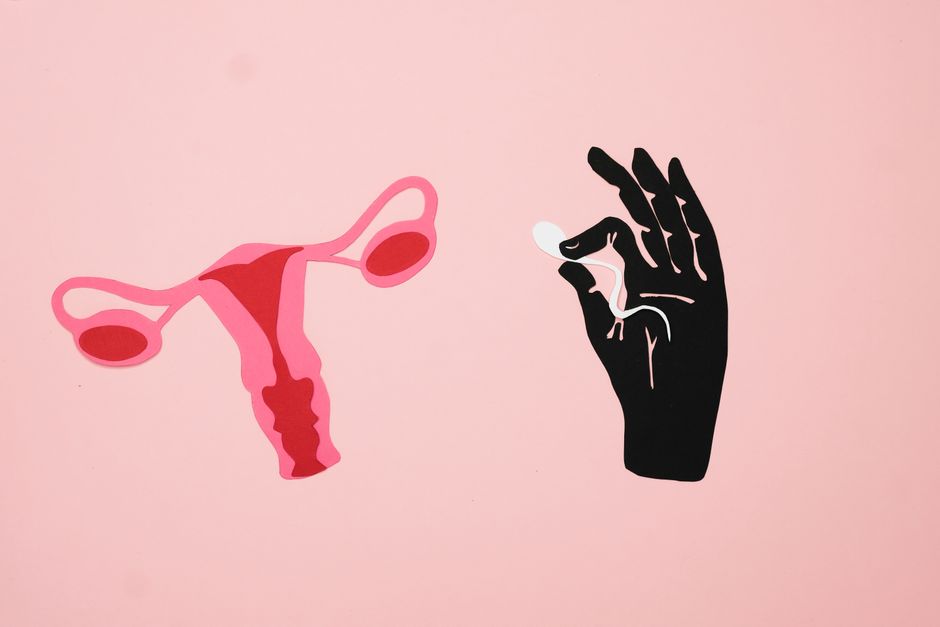
Depo-Provera is one of the most effective birth control methods available, and one of its most common questions is whether it can affect your ability to have children later. The short answer: yes, it can delay fertility, but it does not cause permanent infertility. The medication works by preventing ovulation, and once you stop getting injections, your natural cycle needs time to restart. For many people that takes several months. For some, it takes longer.
Does Depo Affect Fertility And When Does It Return?
Depo-Provera (the brand name for the injectable hormone medroxyprogesterone acetate, often called “the shot”) prevents pregnancy primarily by stopping ovulation. No egg is released, so no pregnancy can occur. This is not the same as damaging your reproductive system.
The delay in fertility return happens because the hormone stays in your body longer than most other birth control methods. A pill is cleared within days. An implant or IUD can be removed and hormone levels drop quickly. Depo is different. The injection is given every 12 to 13 weeks, and the medication is stored in your body’s fat tissue and muscle. That storage means it leaves your system slowly.
Research shows that the average time to conceive after the last injection is longer than with most other methods. One study published in the journal Obstetrics & Gynecology followed women who stopped using Depo and found that about half conceived within 10 months of their last shot. About 70 percent conceived within 15 months, and roughly 90 percent conceived within 24 months. These are averages. Individual timelines vary widely.
The key point: Depo does not appear to cause permanent infertility. Large studies have not found evidence that women who used Depo are ultimately unable to conceive at higher rates than women who used other forms of birth control. The delay is real, but it is a delay, not a permanent barrier.
Why Does Depo Take Longer to Leave Your System?
The active ingredient in Depo-Provera is medroxyprogesterone acetate, a synthetic form of the hormone progesterone. When injected into muscle, it is absorbed slowly into the bloodstream and stored in fat cells. From there, it is released gradually over weeks and months.
This slow release is what makes Depo so convenient. One shot provides three months of contraception. But it also means that when you stop getting injections, the hormone does not disappear overnight. It lingers at decreasing levels, continuing to suppress ovulation until it is fully cleared.
This is different from how birth control pills work. With pills, hormone levels drop within a day or two of stopping. With the implant or hormonal IUD, removal causes a rapid decline. With Depo, the body has to metabolize the stored hormone, and that process takes time.
This is also why some women experience a delay in returning to regular menstrual cycles after stopping Depo. The body needs to re-establish its natural hormonal rhythm. Ovulation must resume, and the uterine lining must rebuild. For some women this happens quickly. For others it takes many months.
How Long Does It Take to Get Pregnant After Stopping Depo?
There is no single answer that applies to everyone. The return of fertility depends on several factors, including how long you used Depo, your age, your weight, and your underlying fertility before starting the method.
Based on the available research:
- Some women conceive within 3 to 6 months of their last injection.
- About half conceive within 10 months.
- About 70 percent conceive within 15 months.
- About 90 percent conceive within 24 months.
These figures come from studies that tracked women after they discontinued Depo. They represent averages. Your individual timeline may be shorter or longer.
One factor that appears to matter is how long you used Depo. Women who used it for a shorter period may return to fertility faster than those who used it for years. However, the evidence on this point is not entirely consistent. Some studies have found a longer delay with prolonged use; others have not shown a strong connection.
Age is another factor. Women in their 20s and early 30s tend to conceive faster after stopping any birth control than women in their late 30s and 40s. This is true regardless of the method used. It reflects the natural decline in fertility that occurs with age, not a specific effect of Depo.
Body weight may also play a role. Because Depo is stored in fat tissue, women with higher body fat may clear the hormone more slowly. Some research suggests this could extend the time to conception, but the evidence is not definitive.



Does Depo Cause Permanent Infertility?
No. The available evidence does not support the idea that Depo-Provera causes permanent infertility. This is one of the most persistent myths about the method, and it is not supported by large studies.
What the research shows is that fertility may be delayed after stopping Depo, but it eventually returns for the vast majority of women. Studies that followed women for two years or more after their last injection found that conception rates were similar to those of women who had used other forms of birth control.
There is one important caveat. If you had an underlying fertility issue before starting Depo, that issue will still be present after you stop. Depo does not cause fertility problems, but it also does not treat them. If you have been trying to conceive for 12 months or more (or 6 months if you are over 35) without success, that is worth discussing with a doctor regardless of your birth control history.
Another point: Depo is not a method that protects against sexually transmitted infections. If you are concerned about fertility, untreated infections such as chlamydia or gonorrhea can cause pelvic inflammatory disease, which can damage the fallopian tubes. This is a separate issue from Depo itself, but it is relevant to overall fertility health.
How Does Depo Compare to Other Birth Control Methods for Fertility Return?
Different birth control methods have different timelines for fertility return after stopping. Here is a general comparison based on available evidence:
| Method | Typical Time to Fertility Return |
|---|---|
| Birth control pills | Usually within 1 to 3 months |
| Hormonal IUD | Usually within 1 to 3 months after removal |
| Copper IUD (non-hormonal) | Immediate after removal |
| Contraceptive implant | Usually within 1 to 3 months after removal |
| Depo-Provera injection | Average 6 to 10 months; may take up to 18 to 24 months |
This table reflects general patterns. Individual experiences vary. The important takeaway is that Depo is not unique in delaying fertility return, but the delay tends to be longer than with other methods.
What Should You Know If You Want to Get Pregnant After Depo?
If you are planning to stop Depo and try to conceive, there are a few practical points to keep in mind.
First, do not expect to get pregnant immediately. It can happen, but it often does not. The average delay is several months. Planning ahead can help you set realistic expectations.
Second, track your cycles once they return. The return of regular menstrual bleeding is a sign that your body is ovulating again. If your periods have not returned within 6 to 12 months after your last injection, talk to your doctor. This is not necessarily a sign of a problem, but it is worth evaluating.
Third, consider your age. If you are over 35 and planning to conceive, the natural decline in fertility with age may compound the delay from Depo. Some doctors recommend stopping Depo several months before you plan to start trying, especially if you are in this age group.
Fourth, remember that Depo does not protect against STIs. If you are not in a mutually monogamous relationship, use condoms to reduce your risk of infections that can affect fertility.
Finally, if you have concerns about your fertility after stopping Depo, talk to a healthcare provider. They can assess your situation, review your history, and recommend next steps if needed.
Frequently Asked Questions
Can Depo-Provera make you infertile forever?
No. Research does not support the idea that Depo causes permanent infertility. Fertility may be delayed after stopping, but it returns for the vast majority of women.
How many months after stopping Depo can you get pregnant?
Some women conceive within a few months, but the average time is longer. About half conceive within 10 months of their last injection, and about 90 percent conceive within 24 months.
Does how long you used Depo affect how long it takes to get pregnant?
Some studies suggest longer use may be linked to a longer delay, but the evidence is not consistent. Age and individual factors also play a role.
Should I stop Depo before I want to get pregnant?
If you are planning to conceive, many doctors recommend stopping Depo several months in advance, especially if you are over 35. This allows time for your cycle to return.
