
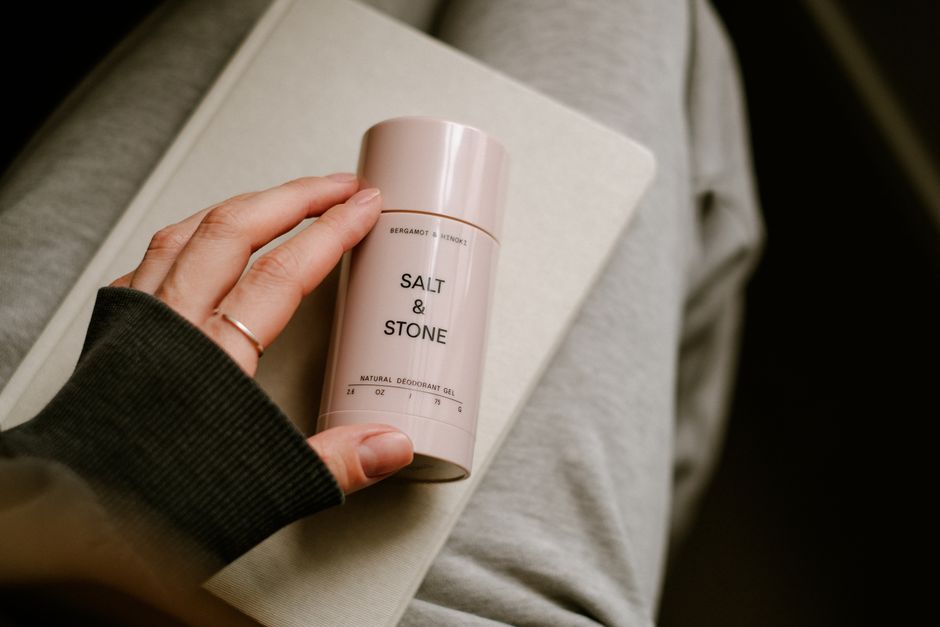
Yes, deodorant and antiperspirant can go bad, but not in the way food does. They do not suddenly rot or become dangerous overnight. What actually happens is that the active ingredients break down over time, which makes the product less effective or changes its texture and smell. Most sticks, sprays, and roll-ons have a shelf life of one to three years. After that, you might notice it does not work as well, smells different, or feels strange on your skin. The good news is that using it past this point is usually not harmful, just disappointing.
What Actually Causes Deodorant to Expire?
The main ingredients in deodorants and antiperspirants are not immortal. The active compounds, like aluminum salts in antiperspirants or antimicrobial agents in deodorants, slowly lose their chemical structure over time. Heat, humidity, and exposure to air speed up this breakdown.
Preservatives and fragrances also degrade. A deodorant that smelled fresh when you bought it can develop a waxy, sour, or chemical odor after a year or two. This does not mean it is toxic. It means the manufacturer’s formula is no longer stable.
Research from the Personal Care Products Council indicates that most cosmetic products maintain their intended function for up to 36 months when stored properly. After that, the risk of microbial growth increases slightly, especially in water-based products like creams and roll-ons. Dry sticks and powders have a longer shelf life because they contain less water for bacteria to grow in.
Does Deodorant Go Bad Even If Unopened?
Yes, an unopened deodorant can still expire. The clock starts ticking the day it is manufactured, not the day you open it. Manufacturers assign a shelf life based on how long the formula remains stable inside its sealed container.
If you find a deodorant stick buried in a drawer that is three years old and still sealed, it is likely past its prime. The active ingredients have been slowly degrading the whole time. When you finally open it, it may not prevent odor or sweat as well as a fresh stick would.
Store your deodorant in a cool, dry place to slow this process. Bathroom cabinets are often too warm and humid. A bedroom dresser drawer is a better spot. Avoid leaving it in a car during summer, where temperatures can hit 140°F. High heat accelerates chemical breakdown dramatically.
How Can You Tell If Your Deodorant Has Gone Bad?
There are three clear signs to check for. First, smell it. If the scent has changed significantly, turned sour, or smells like old wax, the fragrance has broken down. Second, look at the texture. A stick that has developed a grainy, crumbly, or separated appearance has lost its structural stability. Third, test it on your skin. If it applies unevenly, leaves a sticky residue, or feels greasy when it used to feel dry, the formula has degraded.
Here is a quick reference table to help you decide:
| Sign | What to Look For | What It Means |
|---|---|---|
| Smell | Sour, chemical, or no scent at all | Fragrance and preservatives have broken down |
| Texture | Grainy, crumbly, separated, or liquid | Emulsion or base formula is unstable |
| Feel on skin | Sticky, greasy, or uneven application | Active ingredients no longer disperse properly |
| Performance | Odor or wetness within a few hours | Active compounds have lost effectiveness |
If you see any of these signs, it is time to replace the product. The product will not hurt you, but it will not do its job either.





Is Expired Deodorant Dangerous to Use?
For most people, using expired deodorant is not dangerous. The FDA regulates cosmetics and over-the-counter drugs like antiperspirants. They require stability testing to ensure the product remains safe and effective for its labeled shelf life. After that date, the manufacturer no longer guarantees safety or performance.
The main risk is skin irritation. As ingredients break down, they can form compounds that are more likely to cause a rash, redness, or itching. People with sensitive skin, eczema, or allergies to fragrance are more likely to react to an expired product.
There is also a small risk of bacterial contamination. Water-based products like creams and roll-ons can grow bacteria if preservatives fail. This is rare in dry sticks and powders. If you see mold, discoloration, or a foul smell, throw it away immediately.
Does the Type of Deodorant Matter for Expiration?
Yes, the form of deodorant affects how long it lasts. Here is a breakdown of the common types:
- Solid sticks and gels – These last the longest, often 2 to 3 years. They contain less water and more wax or alcohol, which resists bacterial growth. They are the most stable option.
- Sprays and aerosols – These can last 2 to 3 years if the can is not damaged. The propellant keeps the formula sealed from air. However, the nozzle can clog over time, making the product unusable even if the formula is still good.
- Roll-ons and creams – These have the shortest shelf life, typically 1 to 2 years. They contain more water and are more prone to bacterial growth once opened. The ball mechanism can also introduce bacteria from your skin back into the bottle.
- Crystal deodorants – These are made of mineral salts and do not expire in the traditional sense. They can last indefinitely if kept dry. However, if they get wet and stay wet, they can develop mold on the surface.
Natural deodorants, which lack synthetic preservatives, tend to expire faster than conventional ones. They often use plant-based oils and butters that can go rancid within 6 to 12 months. Check the label for a “best by” date and store them in a cool place.
Common Misconceptions About Deodorant Expiration
One widespread myth is that deodorant never expires because it is “just salt and wax.” This is not accurate. Even simple formulas contain emulsifiers, thickeners, and fragrances that degrade. The aluminum salts in antiperspirants can also crystallize over time, losing their ability to block sweat glands effectively.
Another myth is that if it still smells good, it is still good. Fragrance is often the first thing to degrade, but it can also be the last. A deodorant can smell fine yet no longer prevent odor because the antimicrobial agents have broken down. Scent alone is not a reliable test of effectiveness.
Some people believe that refrigerating deodorant extends its life. This is not necessary. Refrigeration can slow chemical reactions, but it also introduces moisture when the product warms up, which can cause condensation inside the container. This moisture can promote bacterial growth. Room temperature storage in a dry place is sufficient.
What to Do With Expired Deodorant
If your deodorant has expired but shows no signs of spoilage, you can still use it. It will just be less effective. Many people use old sticks as a backup for short errands or light days. If it smells bad, looks strange, or irritates your skin, throw it away.
Do not flush deodorant down the toilet. Aerosol cans should be taken to a recycling center that handles hazardous waste. Plastic sticks and roll-ons can go in the trash. Some brands offer recycling programs for their packaging, so check the manufacturer’s website.
To avoid waste, buy only what you will use within one to two years. Write the purchase date on the bottom of the container with a marker. This makes it easy to know when it is time to replace it.
Frequently Asked Questions
Can you still use deodorant after the expiration date?
Yes, you can still use it, but it may not control odor or sweat as effectively. Check for changes in smell, texture, or skin reaction before using.
Does natural deodorant expire faster than regular deodorant?
Yes, natural deodorants typically expire within 6 to 12 months because they lack synthetic preservatives. Store them in a cool, dry place to extend their life.
How should you store deodorant to make it last longer?
Keep it in a cool, dry place away from direct sunlight and humidity. A bedroom drawer is better than a bathroom cabinet.
Can expired deodorant cause a rash or skin irritation?
Yes, expired deodorant can cause irritation because degraded ingredients may be more reactive. People with sensitive skin are at higher risk.
