
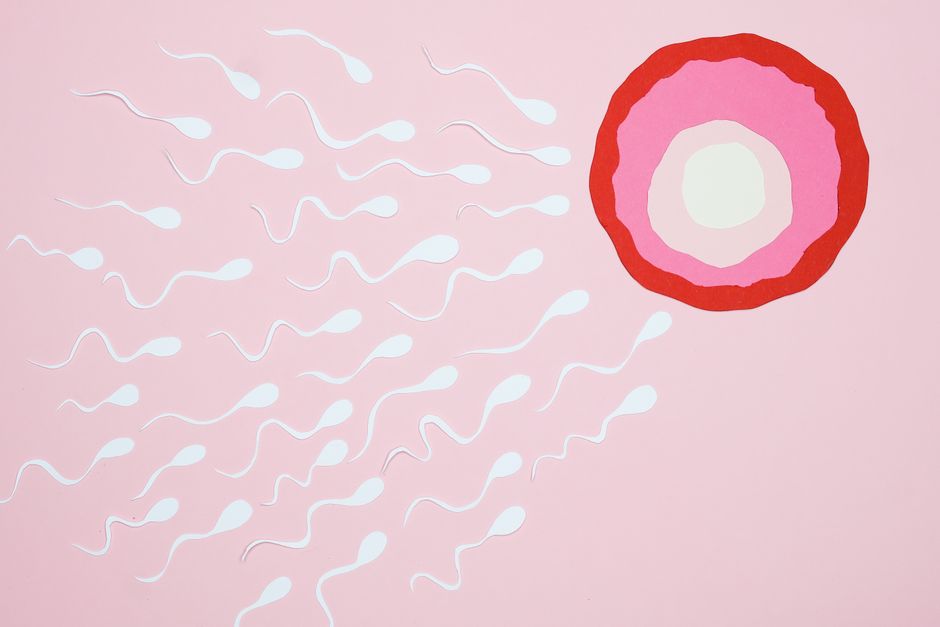
Yes, COVID-19 can affect sperm and male fertility, but the picture is more complicated than headlines suggest. The virus itself has been found in semen in a small number of cases, and fever from any serious infection can temporarily lower sperm quality. Most research shows these changes are short-lived, with sperm parameters often recovering within a few months. The bigger question is whether the effects last, and on that point the evidence is genuinely mixed.
Does Covid 19 Affect Sperm And Male Fertility?
The short answer is that it can, at least in the short term. Multiple studies have looked at semen samples from men who recently had COVID-19 and found reductions in sperm count, motility, and normal morphology compared to men who had not been infected.
What is less clear is how much of this is caused by the virus directly versus the body’s general response to a significant infection. A high fever alone — which many illnesses cause, not just COVID-19 — is well known to temporarily suppress sperm production. The testes are sensitive to temperature, which is why they sit outside the body. A sustained fever can disrupt sperm development for weeks or months afterward.
Researchers have also found the SARS-CoV-2 virus itself in semen in some men, though this appears to be uncommon. Whether the virus actively infects and damages the testes in a meaningful way is still being studied. Some research points to inflammation and oxidative stress as possible mechanisms, but this is an area where the science is still developing.
The key takeaway is that short-term changes are well documented. Long-term or permanent effects are not established.
How Long Do Sperm Changes Last After Covid 19?
Sperm production takes about 74 days from start to finish, and sperm then spend roughly two to three weeks maturing in the epididymis. That biology sets the timeline for recovery.
Most studies that followed men over time found sperm parameters returning toward baseline within one to three months after infection. Some men recovered faster. A smaller number took longer.
One important caveat: not all studies agree on the timeline. Some found sperm quality still reduced at three months, and a few reported changes persisting beyond that. These longer-term findings come from smaller studies, and it is hard to know whether the changes would have resolved on their own or were caused by something else.
If you had COVID-19 and are concerned about fertility, a semen analysis done at least three months after recovery gives a more accurate picture than testing immediately after illness. That timing accounts for the full sperm production cycle.
Does Covid 19 Cause Permanent Male Infertility?
No evidence currently shows that COVID-19 causes permanent male infertility in the general population. That is the honest position based on what has been published so far.
This does not mean the question is fully settled. Researchers have raised concerns about whether the virus could affect the testes in ways that are not immediately visible on a standard semen analysis — for example, through damage to the cells that produce testosterone or to the blood-testis barrier. Some studies have reported lower testosterone levels in men during and after acute COVID-19 illness. Whether these changes are lasting is not known.
There is also the question of severity. Men who had severe COVID-19 requiring hospitalization appear more likely to show sperm changes than men with mild illness. This pattern is not unique to COVID-19 — severe illness of any kind, including influenza and other infections, can affect sperm quality. It is the body’s stress response, not necessarily the specific virus.
For the vast majority of men who had mild to moderate COVID-19, the evidence does not support concerns about permanent infertility.



What Does Research Show About Covid 19 And Sperm Quality?
The research falls into a few broad categories, and each has limitations worth understanding.
- Cross-sectional studies compared sperm from men who had COVID-19 to men who had not. Many found lower sperm counts and motility in the COVID-19 group. These studies cannot prove cause and effect.
- Longitudinal studies followed the same men over time, which is more informative. Most showed recovery, but sample sizes were often small.
- Virus detection studies looked for SARS-CoV-2 genetic material in semen. Some found it, but the majority did not. This suggests direct seminal infection is possible but not common.
- Testicular tissue studies examined tissue from men who died of COVID-19 or from biopsies. Some found inflammation and damage. These cases involved severe illness, so the findings may not apply to milder cases.
A consistent limitation across this research is that many studies did not have pre-infection sperm data. Without knowing a man’s baseline sperm quality, it is difficult to say how much COVID-19 changed things. Age, overall health, medication use, and other factors also affect sperm quality and are not always fully accounted for.
Does The Covid 19 Vaccine Affect Male Fertility?
No evidence indicates that COVID-19 vaccines affect male fertility. This is one of the more thoroughly investigated claims, and the findings have been consistent.
Several studies compared sperm parameters before and after vaccination and found no significant changes. The vaccine does not contain the live virus and cannot replicate in the body. The mRNA and protein subunit vaccines deliver instructions or pieces of protein, not a whole infectious virus.
Fever from the vaccine — which some people experience as a side effect — could theoretically cause a temporary dip in sperm quality, just as fever from any cause can. But studies specifically looking at this did not find meaningful effects on sperm parameters after vaccination.
The claim that COVID-19 vaccines cause infertility has circulated widely online. The evidence does not support it.
Should Men Worry About Fertility After Covid 19?
For most men, no. The temporary changes seen in research are not the same as infertility. Infertility is defined clinically as the inability to conceive after 12 months of regular unprotected sex. A dip in sperm count that recovers within a few months does not meet that definition.
That said, there are situations where a conversation with a doctor makes sense:
- You had severe COVID-19 requiring hospitalization and are trying to conceive
- You and your partner have been trying to conceive for 12 months or longer without success
- You notice changes in sexual function, testicular pain, or other symptoms that concern you
- You have a history of fertility issues and had a significant COVID-19 infection
A semen analysis is a straightforward test. It measures sperm count, motility, and morphology. If results are abnormal, repeating the test after a few months can show whether things are improving.
It is also worth remembering that male fertility is influenced by many factors — age, smoking, alcohol use, weight, medications, and underlying health conditions. COVID-19 is one possible influence among many, and for most men it appears to be a temporary one.
What About Long Covid And Male Fertility?
Long COVID — persistent symptoms lasting weeks or months after the initial infection — is a separate question from acute COVID-19. The research here is much thinner.
Some men with long COVID report fatigue, brain fog, and other symptoms that could indirectly affect fertility through changes in lifestyle, sleep, or overall health. But direct studies on long COVID and sperm quality are limited.
One area of interest is whether ongoing inflammation in long COVID could affect reproductive health. Chronic inflammation is known to affect sperm quality in other conditions, but whether this applies to long COVID specifically is not established.
If you have long COVID and are concerned about fertility, the same advice applies: a semen analysis provides objective information. So does a conversation with a urologist or fertility specialist who can assess your full health picture.
Frequently Asked Questions
Can COVID-19 make you infertile?
No evidence shows that COVID-19 causes permanent infertility in men. Temporary reductions in sperm quality have been documented, but most studies show recovery within a few months.
How long after COVID-19 should I wait to check my sperm?
Waiting at least three months after recovery gives the most accurate semen analysis result. That timeframe accounts for the full sperm production cycle.
Does the COVID-19 vaccine affect sperm count?
Studies have found no significant effect of COVID-19 vaccination on sperm count or quality. The vaccine does not contain live virus and cannot infect the testes.
Can COVID-19 be transmitted through semen?
The virus has been detected in semen in a small number of cases, but this appears uncommon. Sexual transmission through semen is not considered a primary route of COVID-19 spread.
