
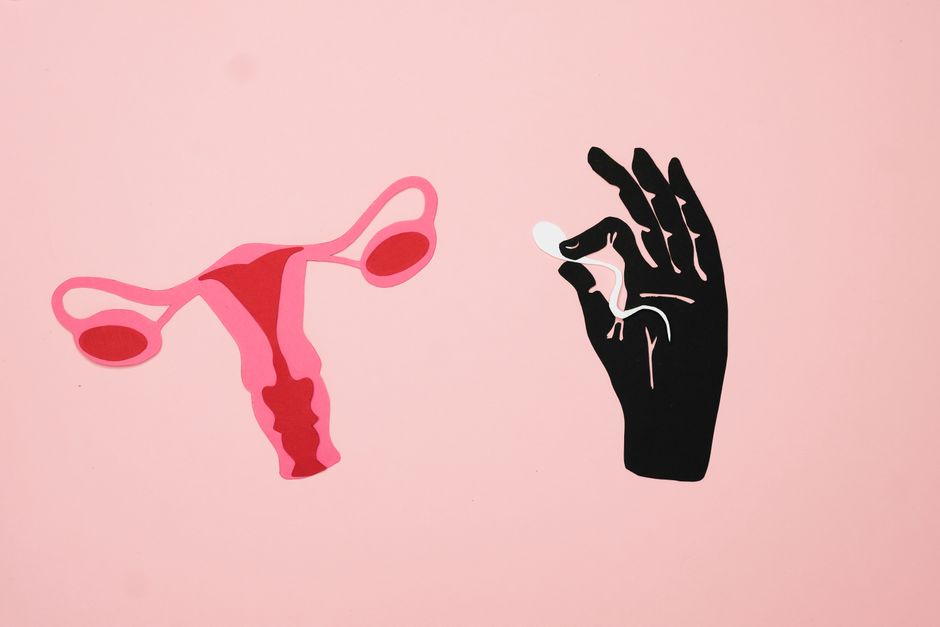
Yes, chlamydia can affect fertility in both men and women, and it is one of the leading preventable causes of infertility worldwide. The infection damages the reproductive organs when it goes untreated, often without causing noticeable symptoms. In women, the damage occurs mainly in the fallopian tubes. In men, it affects the tubes that carry sperm. The good news is that chlamydia is easily cured with antibiotics, and early treatment prevents most permanent damage.
How Does Chlamydia Cause Infertility in Women?
Chlamydia is a bacterial infection caused by Chlamydia trachomatis. When the bacteria enter the female reproductive tract, they can travel upward from the cervix into the uterus and fallopian tubes. The body’s immune system fights the bacteria, and this fight causes inflammation. That inflammation can scar the delicate tissues of the fallopian tubes.
The fallopian tubes are the pathways where eggs travel from the ovaries to the uterus. Sperm meets the egg inside these tubes. If the tubes become scarred, blocked, or partially blocked, the egg and sperm cannot meet. Even a partial blockage raises the risk of an ectopic pregnancy, where a fertilized egg implants outside the uterus, usually in a tube. This is a medical emergency.
Research consistently shows that the risk of tubal damage increases with each repeated chlamydia infection. One infection causes less damage than two, and two cause less than three. This is why prompt testing and treatment matter so much.
How Does Chlamydia Affect Male Fertility?
Chlamydia also affects male fertility, though the mechanism is different. The bacteria infect the urethra, the tube that carries urine and semen out of the body. From there, the infection can spread to the epididymis, the coiled tube at the back of each testicle that stores and transports sperm.
When the epididymis becomes inflamed, the condition is called epididymitis. This inflammation can cause scarring that blocks the passage of sperm. Some studies also indicate that chlamydia can damage the sperm themselves. The bacteria can attach to sperm cells, reducing their ability to move and potentially damaging their DNA.
The evidence for chlamydia’s effect on male fertility is less clear than for female fertility. Some studies show a clear link, while others show a weaker one. What is clear is that untreated chlamydia can cause epididymitis, and epididymitis can lead to blockages that prevent sperm from being ejaculated normally.
What Are the Symptoms of Chlamydia?
Most people with chlamydia have no symptoms at all. The Centers for Disease Control and Prevention estimates that up to 70 percent of infected women and a significant number of infected men never know they have it. This is why the infection spreads so easily and why it causes so much silent damage.
When symptoms do appear, they typically show up one to three weeks after exposure. In women, symptoms may include abnormal vaginal discharge, burning during urination, and pain during sex or bleeding between periods. In men, symptoms may include discharge from the penis, burning during urination, and pain or swelling in one or both testicles.
Because symptoms are often absent, routine testing is the only reliable way to know your status. Sexually active women under 25 should be tested annually. Women over 25 with new or multiple partners should also be tested regularly. Men who have sex with men should be tested at least annually, and more often if they have multiple partners.





Can Chlamydia Infertility Be Reversed?
This depends entirely on how much damage has already occurred. If chlamydia is caught early, before scarring develops, antibiotic treatment completely cures the infection and fertility is preserved. This is why testing is so important.
If scarring has already formed, antibiotics cannot reverse it. The tissue damage is permanent. However, fertility may still be possible. Women with blocked fallopian tubes may be candidates for surgery to open them, though success rates vary. In vitro fertilization, or IVF, bypasses the tubes entirely and is often the most effective option for women with tubal damage.
Men with blockages in the epididymis may also be candidates for surgery. In some cases, sperm can be retrieved directly from the testicles and used in IVF with intracytoplasmic sperm injection, or ICSI. This procedure injects a single sperm directly into an egg.
The key point is that treatment cures the infection but does not repair existing damage. The earlier the infection is treated, the better the outcome for fertility.
How Is Chlamydia Diagnosed and Treated?
Chlamydia is diagnosed with a simple test. In women, a healthcare provider may take a swab from the cervix or ask for a urine sample. In men, a urine sample is usually sufficient. The test detects the genetic material of the bacteria, and results are typically available within a few days.
Chlamydia is treated with antibiotics. The standard treatment is a single dose of azithromycin taken orally, or a seven-day course of doxycycline taken twice daily. Both are highly effective, curing more than 95 percent of infections. Pregnant women are treated with azithromycin, as doxycycline is not safe during pregnancy.
It is essential that sexual partners are treated at the same time. If only one partner is treated, the other will likely reinfect them. You should not have sex until you and your partner have both completed treatment and any symptoms have resolved. A follow-up test is recommended about three months after treatment to confirm the infection is gone, especially in younger women.
Does Chlamydia Affect Fertility In Men And Women Equally?
No, the impact is not equal. The evidence for tubal damage in women is much stronger than the evidence for fertility impairment in men. This is partly because female infertility is easier to study and diagnose. It is also because the female reproductive tract offers a longer pathway for the bacteria to travel and cause damage.
In women, chlamydia is a leading cause of preventable infertility. It is estimated that untreated chlamydia leads to pelvic inflammatory disease, or PID, in 10 to 15 percent of infected women. PID is a serious infection of the upper reproductive tract that significantly increases the risk of tubal damage and infertility.
In men, chlamydia can cause epididymitis, but the overall impact on fertility is less well established. Some men with chlamydia have normal fertility despite the infection. Others develop blockages or sperm abnormalities. The variability makes it harder to quantify the risk.
What both sexes share is the need for early detection. The infection is silent, common, and easily cured. The damage it causes is permanent. Testing is the single most effective step you can take to protect your fertility.
How Can You Protect Your Fertility From Chlamydia?
Prevention is straightforward. Condoms, used correctly and consistently, significantly reduce the risk of chlamydia transmission. They are the most effective protection available against the infection.
Regular testing is the second line of defense. If you are sexually active and under 25, get tested annually. If you are over 25 and have a new partner, multiple partners, or a partner who may have other partners, get tested. Testing is quick, painless, and usually free or low-cost at public health clinics.
If you test positive, complete your full course of antibiotics. Take every dose as prescribed. Ensure your partner is treated too. Then get retested after three months to confirm the infection has cleared. This follow-up test is essential because reinfection rates are high.
There is no vaccine for chlamydia. Antibiotics cure the infection, but they do not provide immunity. You can be infected again immediately after treatment if you are exposed again. Protection requires ongoing prevention practices, not a one-time cure.
Frequently Asked Questions
Can chlamydia cause infertility if treated early?
No, early treatment prevents infertility in the vast majority of cases. Antibiotics cure the infection before scarring can develop, preserving fertility.
How long can you have chlamydia before it causes infertility?
There is no fixed timeline, but the risk of damage increases with each passing month and each repeated infection. The longer the infection goes untreated, the greater the chance of permanent scarring.
Can you get pregnant after having chlamydia?
Yes, many people conceive normally after treatment. If tubal damage has occurred, assisted reproductive technologies like IVF can still make pregnancy possible.
Does chlamydia affect sperm count in men?
Some studies suggest chlamydia can reduce sperm motility and damage sperm DNA, but the evidence is mixed. The clearest effect on male fertility is through epididymitis, which can block sperm transport.
